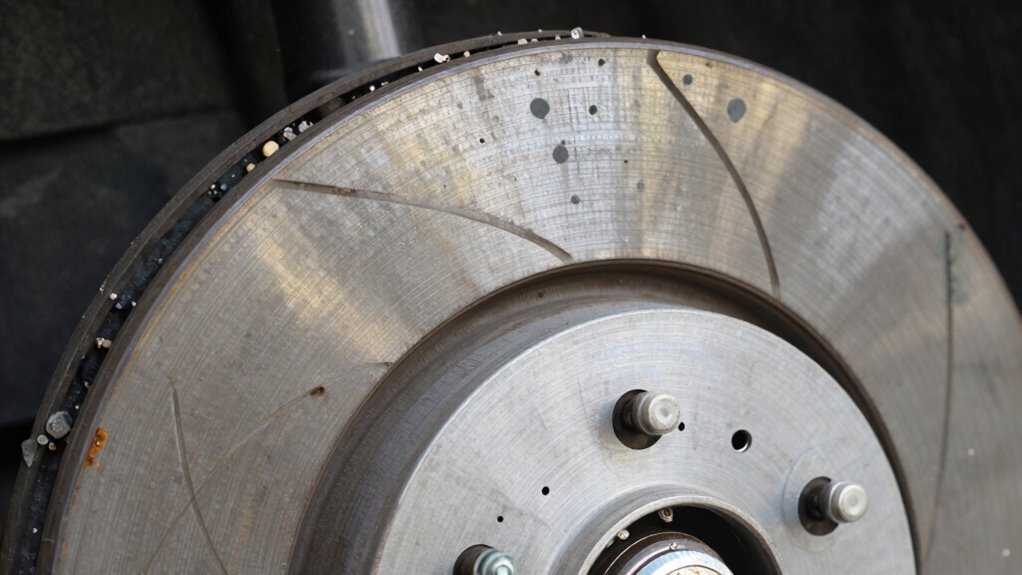

Hybrid brake wear looks strange because these vehicles use a mix of regenerative and friction brakes, which changes how the brake parts appear and wear over time. Regenerative braking captures energy and reduces friction brake use, so your brake pads may look new or unevenly worn. You might notice less brake dust or unusual discoloration on rotors. Want to understand how these differences affect maintenance and safety? Keep going to learn more about hybrid brake systems.

Get business pricing on garage and car supplies
- Business-only prices and quantity discounts
- Tax-exempt purchasing
- Multiple users, one account, clear invoices
Key Takeaways
- Hybrid brakes use regenerative systems that reduce friction brake usage, leading to less visible pad wear.
- Uneven or minimal wear patterns occur because regenerative braking activates primarily during deceleration.
- Brake components may appear less used or show discoloration due to reduced friction brake engagement.
- Normal noises and residue differ from traditional brake dust, indicating system operation rather than issues.
- Proper inspection requires understanding hybrid-specific brake components and their unique wear characteristics.
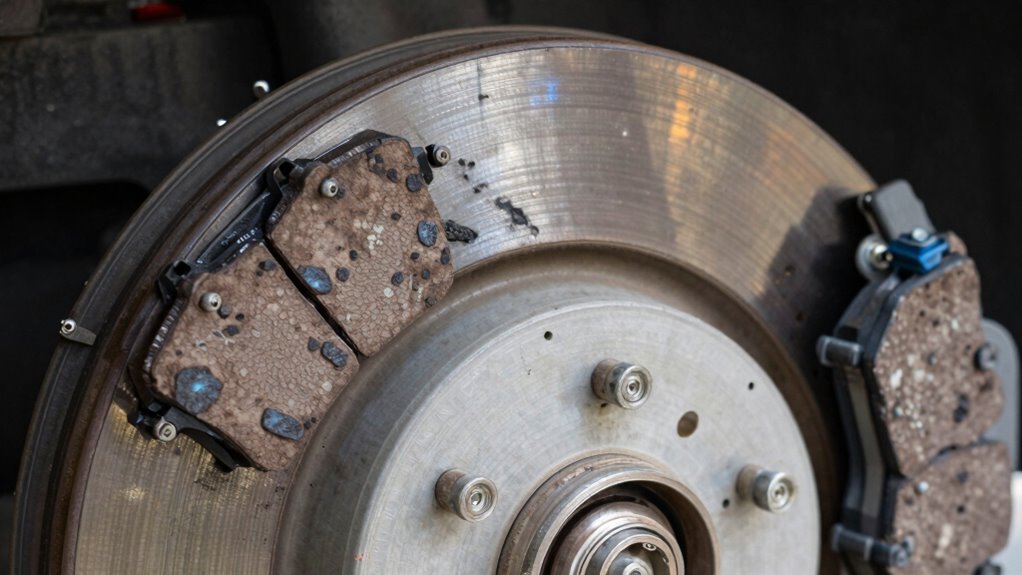
You might notice that hybrid cars often have brake components that look unusual compared to traditional vehicles, and this difference can seem confusing at first. Unlike conventional cars that rely solely on friction brakes, hybrids use a combination of systems to slow down. One key feature is regenerative braking, which captures energy during deceleration and converts it into electricity to recharge the battery. This process means the brake components in hybrids may show less wear or appear differently, as the system doesn’t always engage the traditional disc or drum brakes directly.
Because regenerative braking reduces the need for constant friction brake use, the brake system maintenance in hybrids is different. You might see less brake pad wear, which can be a good thing, but it can also cause confusion when inspecting or replacing brake parts. The brake pads may look relatively new or have uneven wear patterns since they aren’t used as much during everyday driving. In some cases, the friction brakes only activate at higher speeds or when more stopping power is needed. This design helps extend the lifespan of brake components and improves fuel efficiency but can make visual inspections tricky if you’re expecting typical wear patterns.
Regenerative braking reduces brake wear, making inspections tricky with uneven or minimal pad wear.
The regenerative braking system works seamlessly with traditional brakes, but it’s important to understand that they operate differently. When you step on the brake pedal in a hybrid, the vehicle’s computer determines whether to engage regenerative braking or activate the friction brakes. This coordination minimizes wear on the brake pads, but it also means the brake components may appear less used and sometimes even have a different appearance or residue. The system can occasionally cause the brake rotors to develop a light coating of brake dust or a slight discoloration, which is normal but might look unusual if you’re used to traditional cars. Additionally, the regenerative braking system can sometimes cause a slight whine or noise during operation, which is typical but might seem unfamiliar at first. Understanding the braking system differences can help you better recognize normal operation versus potential issues. Moreover, awareness of the specific inspection and maintenance requirements for hybrid brakes can help extend their longevity and ensure safety.
hybrid brake pad replacement kit
As an affiliate, we earn on qualifying purchases.
As an affiliate, we earn on qualifying purchases.
Frequently Asked Questions
How Often Should I Check Hybrid Brake Wear?
You should check your hybrid brake wear every 10,000 to 15,000 miles or during regular maintenance. Pay attention to wear indicator signals, which can alert you when brake pads are thin. Hybrid brake systems use different brake pad materials, causing wear patterns that look unusual compared to traditional cars. Regular inspections guarantee your brakes remain effective and prevent costly repairs, keeping your vehicle safe and reliable.
Does Regenerative Braking Affect Brake Pad Lifespan?
A stitch in time saves nine, and when it comes to brake pad lifespan, regenerative braking plays a key role. It reduces wear on brake pads by relying on the regenerative system impact, which recovers energy and lessens the need for traditional braking. Brake pad materials last longer because less frictional force is needed during braking, ultimately extending your brake system’s longevity and saving you money on replacements.
Can Hybrid Brakes Be Repaired at Regular Auto Shops?
You can usually get hybrid brakes repaired at regular auto shops, but it depends on the shop’s expertise with hybrid brake mechanics. Some repairs might require specialized knowledge or tools, which can lead to higher brake repair costs. It’s a good idea to confirm if the shop is experienced with hybrid systems beforehand. Regular auto shops can often handle basic brake repairs, but complex issues might need a dealership or specialist.
Are Hybrid Brakes More Expensive to Replace?
In the era of futuristic tech, you might find hybrid brake replacements costlier than traditional ones. Because of advanced brake system integration and brake wear sensors, hybrid brakes often require specialized parts and labor. While the core brake components are similar, the added electronics and regenerative braking systems make repairs more complex and expensive. You’ll likely pay a premium for these enhanced features, but they offer better efficiency and longevity.
How Does Brake Wear Impact Hybrid Battery Longevity?
Brake wear can impact hybrid battery longevity because frequent braking activates hybrid brake sensors, which control regenerative braking. Excessive or uneven brake wear signals the need for brake system maintenance, helping maintain ideal brake function. When you keep your brakes well-maintained, it reduces strain on the battery, preventing unnecessary wear. Proper brake system maintenance ensures the hybrid system operates efficiently, ultimately extending your hybrid battery’s lifespan and ensuring reliable vehicle performance.
Conclusion
So, next time you peek at your hybrid’s brakes and think they look weird or uneven, remember—you’re witnessing the future of braking technology in action! It’s like a sci-fi movie scene unfolding right before your eyes. Don’t be surprised if your hybrid’s brake wear seems bizarre; it’s just the extraordinary way these cars save energy and extend brake life. Embrace the strange, because it’s a sign you’re riding the cutting edge of automotive innovation!
Fall Picks
fall essentials
As an affiliate, we earn on qualifying purchases.