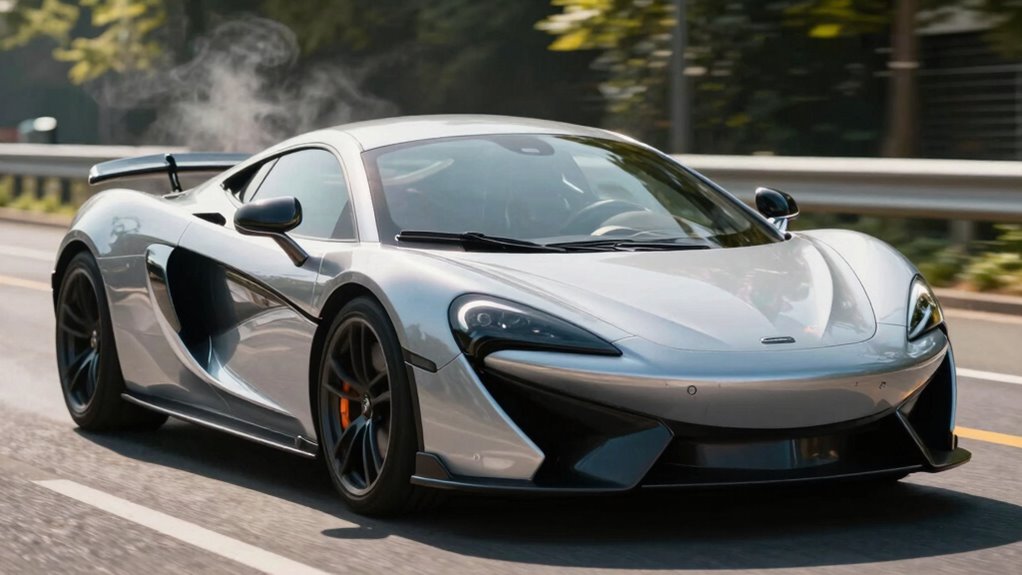

In hybrid performance cars, heat soak feels different because their cooling systems are designed to handle high temperatures, but when overwhelmed, you’ll notice a dip in power, responsiveness, and smoothness. Heat affects essential components like the battery and electric motor, causing temporary performance drops to protect these parts. As the system cools down, performance often returns to normal. If you want to understand how these systems work and how to manage heat soak, there’s more to uncover ahead.

Get garage and car supplies delivered free — and shop member deals
- Fast, free delivery on millions of items
- Access to Prime Big Deal Days deals on October 6–7
- Prime Video, Amazon Music and more included
Key Takeaways
- Hybrid cars rely heavily on cooling systems for both electric motors and batteries, making heat soak more impactful on performance.
- Heat buildup in hybrid components causes temporary power reduction, leading to a more noticeable performance dip than in conventional cars.
- The interconnection between battery and motor cooling means heat soak affects overall hybrid efficiency and responsiveness differently.
- Extended driving or stop-and-go traffic overwhelms cooling systems, intensifying heat soak effects in hybrids.
- Proper maintenance of cooling systems helps mitigate heat soak, preserving consistent hybrid performance during high-temperature conditions.
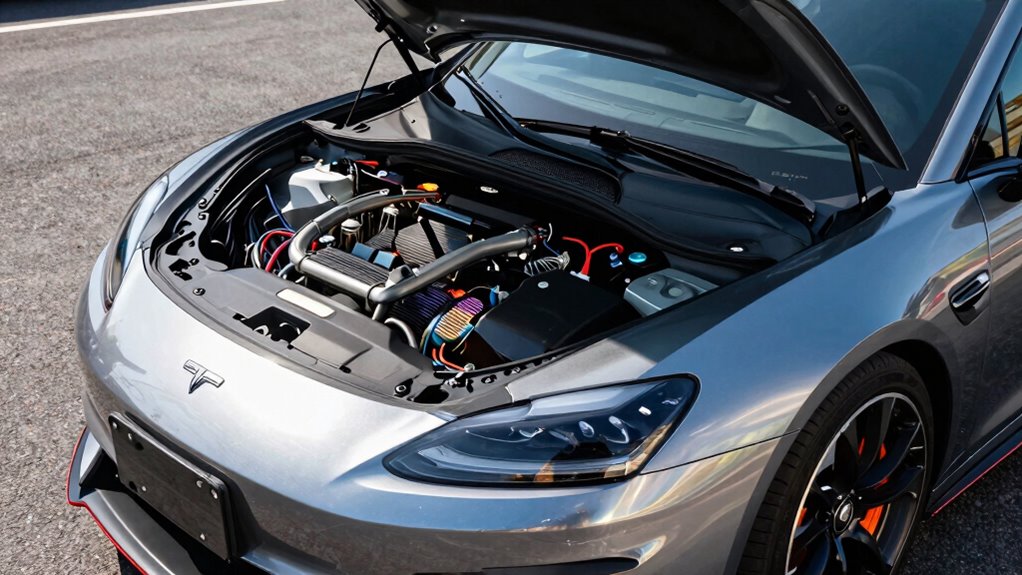
Have you ever noticed your hybrid car’s performance dipping after a long drive on a hot day? It’s a common experience, and it all comes down to heat soak. When your hybrid’s engine, electric motor, or battery gets too hot, their efficiency drops. This isn’t just about comfort; it impacts how well your car accelerates, brakes, and even how smooth your ride feels. The main reason behind this is the way heat affects the critical components that make your hybrid run smoothly.
Heat soak reduces hybrid performance by overheating key components, affecting acceleration, braking, and ride smoothness.
In hybrids, the electric motor plays a significant role in delivering instant torque and overall efficiency. But when the electric motor overheats, it can’t perform at its peak. To prevent damage, the system often reduces power output temporarily, which you might notice as a sluggish response or less punch in acceleration. This is directly linked to how well the motor stays cool. The battery cooling system is essential here; it helps keep the battery within ideal temperature ranges. When the battery gets too hot, its capacity diminishes, leading to reduced power and efficiency. This, in turn, affects how the electric motor operates because the two are closely interconnected.
Battery cooling systems in hybrid cars work tirelessly to manage heat, especially during long, hot drives. When these cooling systems become overwhelmed—say, after a lot of stop-and-go traffic or high-speed cruising—the temperature climbs. As the battery heats up, the vehicle’s control system may limit energy flow to prevent overheating, which translates into noticeable performance dips. You might feel your car struggling to accelerate as quickly as it normally would or notice that regenerative braking isn’t as effective. The cooling system’s effectiveness directly influences how well the electric motor and battery perform under stress.
Furthermore, the heat soak phenomenon is influenced by how well the cooling systems are designed and maintained, which can vary between different hybrid models. The phenomenon of heat soak isn’t just about comfort; it’s a safeguard for your hybrid’s longevity. But it can be frustrating because, as soon as the vehicle cools down, normal performance often returns. To minimize heat soak, some hybrids are equipped with advanced cooling systems, including liquid cooling for batteries and electric motors. These systems help disperse heat more efficiently, allowing you to enjoy consistent performance even on hot days or after extended drives. Understanding how heat affects your hybrid’s components can help you better anticipate performance dips and recognize the importance of proper cooling to keep your car running smoothly.
hybrid car cooling system maintenance
As an affiliate, we earn on qualifying purchases.
As an affiliate, we earn on qualifying purchases.
Frequently Asked Questions
How Does Hybrid Battery Cooling Impact Heat Soak Experience?
Hybrid battery cooling considerably impacts your heat soak experience. When cooling efficiency is high, it keeps the battery temperature low, preventing heat buildup during intense driving. Battery insulation helps retain this cooled state longer, reducing heat soak feelings. Conversely, poor cooling allows the battery to overheat quickly, making heat soak more noticeable. So, better cooling systems combined with effective insulation keep your hybrid performing at its best and feeling cooler under pressure.
Can Driving Style Influence Heat Soak Severity in Hybrids?
Yes, your driving style can influence heat soak severity in hybrids. Aggressive driving habits, like rapid acceleration and high speeds, generate more heat, overwhelming battery insulation and cooling systems. Over time, this causes the battery to retain heat longer, intensifying heat soak effects. Conversely, calmer driving allows the battery to stay cooler, reducing heat soak. So, your driving habits directly impact how your hybrid’s performance feels during extended use.
Are There Specific Hybrid Models More Prone to Heat Soak?
Some hybrid models are more prone to heat soak due to differences in battery insulation and cooling efficiency. For instance, high-performance hybrids with less advanced cooling systems or thinner insulation tend to overheat faster, leading to more noticeable heat soak. Models like the Toyota Prius Prime or Honda Clarity often handle heat better, but sports hybrids like the BMW i8 or Porsche Panamera may experience more significant heat soak because of their high power output and cooling demands.
Does Ambient Temperature Affect Heat Soak in Hybrid Performance Cars?
Ever wonder if ambient temperature impacts heat soak? It definitely does. Higher temperatures can lead to increased battery insulation and hotter tire temperatures, both of which worsen heat soak. When it’s hot outside, your hybrid’s cooling systems work harder, but they may struggle to keep the battery and tires cool enough. So, on hot days, you might notice more heat soak, affecting performance and efficiency.
How Effective Are Hybrid Cooling Systems at Preventing Heat Soak?
Hybrid cooling systems are quite effective at preventing heat soak, mainly due to advanced battery insulation and enhanced cooling efficiency. These systems actively manage temperature by directing airflow and utilizing liquid cooling, which keeps battery temperatures consistent even under stress. You’ll notice less heat-related performance drop, as the insulation helps retain coolness, and the cooling efficiency ensures heat is quickly dissipated, maintaining ideal performance during extended driving or aggressive maneuvers.
Conclusion
Think of heat soak like a marathon runner hitting the wall—your hybrid’s engine and battery lose their punch after sustained effort. Once the cooling system is overwhelmed, performance drops, much like a car sputtering on a hot day. Understanding this helps you recognize why your hybrid feels sluggish after high-speed driving. Staying mindful of heat build-up guarantees you keep your car running smoothly, just like a runner pacing themselves to finish strong without burning out.
Halloween Picks
halloween
As an affiliate, we earn on qualifying purchases.