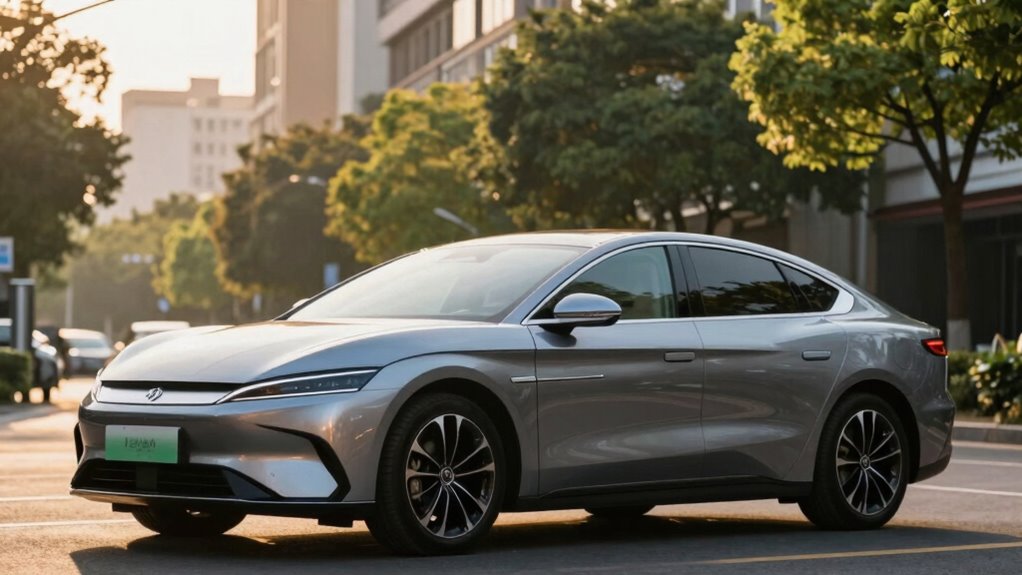

Hybrid tuning is all about balancing the engine and electric motor to maximize efficiency and sustainability, not just boosting power. You’ll see that smooth energy flow, seamless shifts, and component cooperation matter more than raw output. By optimizing these interactions, you reduce environmental impact, lower costs, and improve reliability. Focusing on harmony rather than sheer power leads to smarter, more sustainable driving—something you can explore further to understand the true benefits of well-tuned hybrid systems.

Get business pricing on garage and car supplies
- Business-only prices and quantity discounts
- Tax-exempt purchasing
- Multiple users, one account, clear invoices
Key Takeaways
- Hybrid tuning prioritizes seamless coordination between engine and electric motor for smooth, natural driving experiences.
- It focuses on energy efficiency and recovery rather than maximizing individual component outputs.
- Proper system balance ensures optimal energy flow, reducing strain and prolonging component lifespan.
- Emphasizing harmony leads to lower operational costs and environmental impact.
- Reliable performance depends on calibrated integration, not just raw power, promoting sustainable vehicle operation.
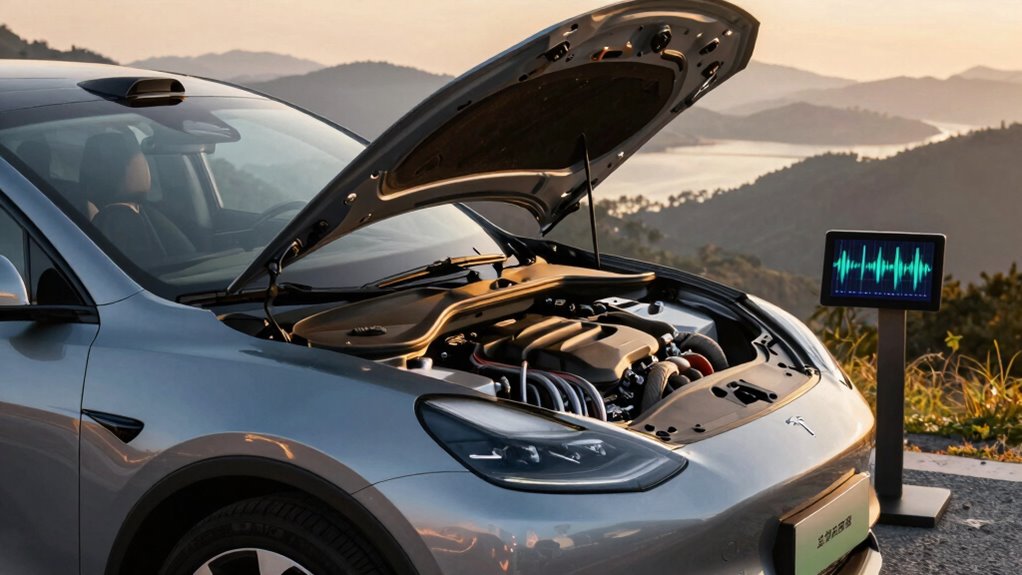
Hybrid tuning aims to optimize electric efficiency, making sure that the electric motor contributes where it counts without wasting energy. It’s about fine-tuning the system to recover energy during braking and to use electric power in city driving or low-speed conditions, where it’s most effective. It’s not about overpowering the engine but about making it work smarter, not harder. This balance keeps the vehicle performing reliably while also being more environmentally friendly.
Engine harmony is another critical aspect. When you tune a hybrid, you’re not just adjusting parts individually but ensuring that the engine and electric motor work in concert. This means synchronizing power delivery so that acceleration feels smooth and natural, without jerks or lag. It also involves managing the shift between electric and gas power so that it’s invisible to you, providing a seamless driving experience. The goal isn’t to maximize each component’s output but to make sure they complement each other under different driving conditions. This harmony extends to the vehicle’s control systems, which coordinate energy flow efficiently, avoiding unnecessary strain on any single part. Understanding energy flow management is essential for achieving true hybrid efficiency. Recognizing how component cooperation influences overall performance is key to developing a truly balanced vehicle system. Additionally, proper calibration of these systems can prevent battery degradation, ensuring longevity and consistent performance over time.
Furthermore, maintaining optimal system integration is crucial for sustaining this balance, as it helps prevent mismatched responses that can lead to inefficiencies. Ultimately, hybrid tuning is about understanding that performance isn’t just about pushing every component to its limit. Instead, it’s about achieving a balanced system where energy use is optimized, and component cooperation is prioritized. When you focus on electric efficiency and engine harmony, you end up with a vehicle that performs reliably, costs less to operate, and has a smaller environmental footprint. It’s a smarter approach that values sustainability and reliability over sheer output, aligning performance with purpose rather than just power. In the end, hybrid tuning teaches you that sometimes, less is more—especially when that “less” leads to better overall harmony and efficiency.
hybrid vehicle energy management system
As an affiliate, we earn on qualifying purchases.
As an affiliate, we earn on qualifying purchases.
Frequently Asked Questions
How Does Hybrid Tuning Affect Long-Term Vehicle Reliability?
Hybrid tuning can positively impact your vehicle’s long-term reliability when done correctly. It helps optimize battery lifespan by ensuring the battery isn’t overused or stressed, and it enhances engine durability through balanced power distribution. Proper tuning minimizes wear and tear, reducing the risk of early component failure. As a result, your hybrid vehicle stays dependable longer, saving you money on repairs and maintaining performance over time.
What Are the Environmental Benefits of Hybrid Tuning?
Ever wonder how hybrid tuning benefits the environment? It helps reduce emissions by optimizing engine and battery performance, leading to cleaner air. You’ll also see improved battery lifespan since tuning balances energy use, preventing unnecessary wear. This means your vehicle stays eco-friendly longer while lowering your carbon footprint. Isn’t it satisfying to know your driving choices can contribute to a healthier planet? Hybrid tuning makes it easier to drive sustainably.
Can Hybrid Tuning Improve Fuel Efficiency in City Driving?
Yes, hybrid tuning can improve fuel efficiency in city driving. By optimizing engine and electric motor performance based on your driving patterns, you reduce fuel consumption during stop-and-go traffic. Hybrid tuning adapts to urban conditions, ensuring your vehicle uses less fuel while maintaining power. As a result, you’ll notice better mileage, lower emissions, and a more eco-friendly ride tailored to your city driving habits.
Does Hybrid Tuning Require Special Maintenance or Parts?
No, hybrid tuning doesn’t require special maintenance or parts. You should keep an eye on battery longevity, as tuned hybrids might put extra strain on batteries over time, and regular checks help guarantee peak performance. Software updates are essential—they keep your hybrid running smoothly and improve efficiency. With proper care, your tuned hybrid can operate reliably without needing unique parts, just standard maintenance and timely updates.
How Does Hybrid Tuning Impact Vehicle Resale Value?
Hybrid tuning can impact your vehicle’s resale value positively if you’ve focused on performance upgrades and noise reduction, making your car more appealing to buyers. When you optimize tuning, it shows you care for the vehicle’s condition and efficiency. However, overly aggressive modifications might deter some buyers. By balancing performance and comfort, you enhance resale prospects, demonstrating that thoughtful hybrid tuning adds value rather than detracts from it.
Conclusion
Ultimately, hybrid tuning isn’t just about maximizing output—it’s about finding the right balance. Think of it like tuning a musical instrument; too much emphasis on one string throws everything off. When you prioritize harmony over raw power, you create a reliable, efficient system that performs better in the long run. Embrace the idea that balance, not just output, leads to true mastery and sustainable success in your tuning journey.
Fall Picks
fall essentials
As an affiliate, we earn on qualifying purchases.