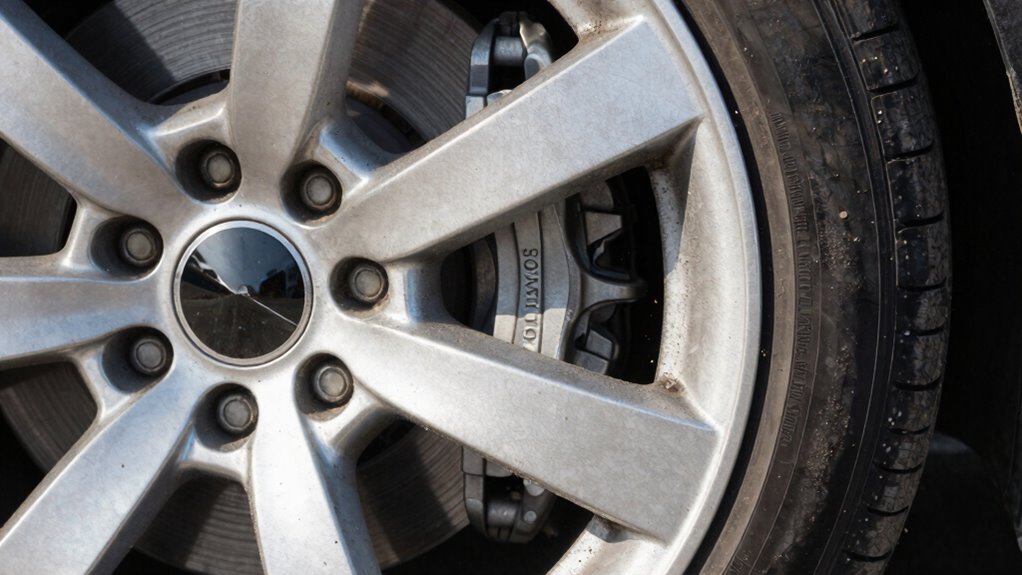

Brake dust and tire emissions are more relevant in new regulations because they substantially impact air quality and environmental health, releasing tiny particles that can enter vehicle interiors and ecosystems. As stricter standards aim to reduce pollution, automakers are motivated to develop cleaner materials and technologies. These emissions also affect vehicle performance and longevity, making their control essential for safety and sustainability. Keep exploring how these regulations are shaping cleaner, safer vehicles for the future.

Get business pricing on garage and car supplies
- Business-only prices and quantity discounts
- Tax-exempt purchasing
- Multiple users, one account, clear invoices
Key Takeaways
- Increasing awareness of health and environmental impacts heightens the importance of controlling brake dust and tire emissions.
- Stricter air quality standards demand reductions in microscopic particulate pollution from vehicles.
- Advances in vehicle technology enable real-time monitoring and mitigation of particulate emissions.
- Growing regulatory focus on sustainable materials encourages innovations to minimize particle release.
- Addressing brake and tire emissions is essential for meeting global environmental and safety regulations.
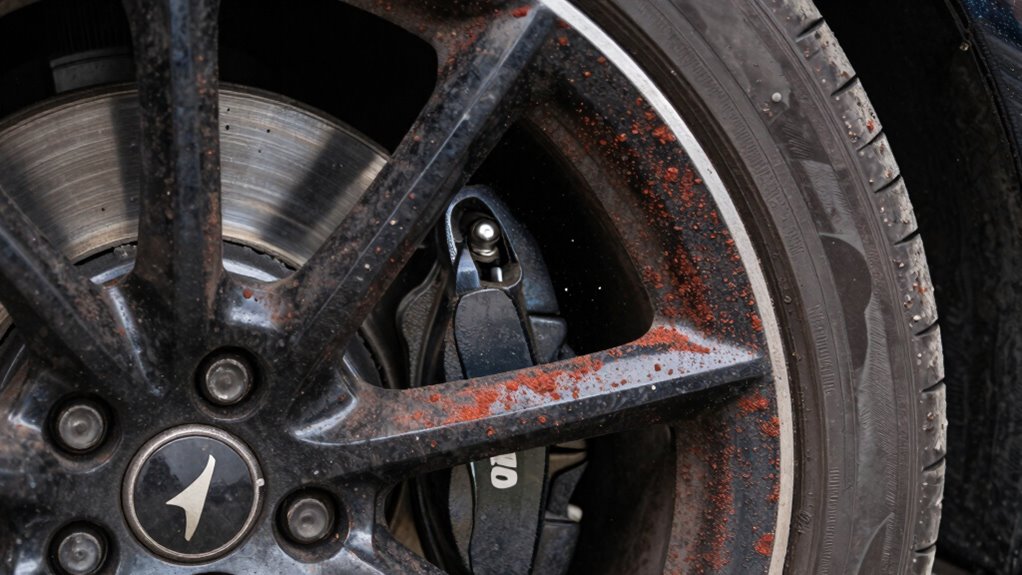
As new regulations target vehicle emissions, brake dust and tire particles have become a focal point due to their significant environmental impact. You might not realize it, but these tiny particles contribute heavily to air pollution and can also influence what’s happening inside your vehicle. When dust from brakes and tires gets released into the atmosphere, it doesn’t just settle outside—it can find its way into your car’s interior, affecting air quality and potentially impacting your health. This makes addressing these emissions more relevant than ever, especially as authorities tighten standards to reduce pollution.
Brake dust and tire particles significantly impact air quality and interior health, making emission reductions more crucial than ever.
You might think of vehicle interior as just the space you sit in, but it’s also a critical component when considering overall car performance and environmental impact. As regulations evolve, automakers are pressured to design vehicles that emit fewer particles, which means paying closer attention to how brake dust and tire debris are generated and managed. This shift influences everything from the materials used in brake pads to the compounds in tires, aiming to curb the release of tiny particulates that escape into the environment. When these particles are reduced, your vehicle’s interior environment improves, with cleaner air and less contamination from outside pollutants. Additionally, innovations in particle emissions reduction are increasingly integrated into vehicle design to meet these stricter standards. Moreover, these innovations can also enhance vehicle durability, helping to lower maintenance costs over time.
Moreover, these new regulations push manufacturers to innovate in ways that don’t compromise car performance. You want a vehicle that performs well, stops reliably, and handles smoothly, but now that goal must be balanced with environmental responsibility. For instance, some technologies are being developed to monitor and reduce dust particle emissions in real-time, ensuring ongoing compliance and cleaner operation. Similarly, tire manufacturers are exploring compounds and tread designs that minimize the release of microscopic particles while maintaining grip and durability. These advancements help ensure that your driving experience remains high quality, with less dirty debris entering your vehicle interior and polluting the air you breathe.
The importance of these regulations also extends beyond just environmental concerns. They influence the long-term maintenance and durability of your vehicle. Less brake dust means your braking system stays cleaner longer, reducing wear and tear. Less tire particle emission can lead to longer-lasting tires and better overall car performance. Plus, with stricter limits on particulate emissions, the automotive industry is motivated to find smarter, more sustainable solutions that align with your needs for safety, performance, and health. Additionally, addressing biodiversity impacts by reducing particulate pollution can help protect ecosystems affected by airborne contaminants. This focus on environmental preservation underscores the broader significance of these emissions in maintaining a healthy planet.
In short, brake dust and tire emissions have become more relevant because they touch on multiple aspects of your driving experience—air quality inside your vehicle, the environmental footprint of your car, and the ongoing performance you rely on. As regulations become tighter, you’ll see innovations that make your vehicle cleaner, safer, and more efficient, all while maintaining the performance you expect.
As an affiliate, we earn on qualifying purchases.
Frequently Asked Questions
How Do Brake Dust and Tire Emissions Impact Indoor Air Quality?
Brake dust and tire emissions release indoor pollutants that can degrade your air quality, especially in garages or enclosed spaces. These tiny particles can become airborne and settle on surfaces, making it harder for your air filtration system to keep the air clean. Over time, this exposure may cause health issues. To reduce risks, improve ventilation and choose effective air filtration systems that target these specific pollutants.
Are There Specific Vehicle Types More Responsible for Brake Dust?
You should know that heavy-duty trucks generate up to 50% more brake dust than passenger cars. Vehicle aerodynamics and brake pad materials play a big role here. Trucks with larger brake systems and less aerodynamic designs tend to produce more brake dust. High-performance brake pads, while stopping better, can also emit more particles. So, larger, less aerodynamic vehicles with aggressive brake setups are more responsible for brake dust emissions.
What Are the Long-Term Health Effects of Exposure to Brake Dust?
Exposure to brake dust can pose serious long-term health risks, especially due to its chemical composition, which includes heavy metals like cadmium and lead. Breathing in these particles increases your respiratory risks, potentially leading to chronic respiratory issues or lung diseases over time. Continuous inhalation of brake dust can also cause inflammation and other health problems, making it essential to minimize your exposure and use protective measures when working around brakes.
How Do New Regulations Affect Vehicle Manufacturers’ Design Choices?
You’ll find that new regulations force vehicle manufacturers to prioritize regulatory compliance, which directly impacts their design choices. They must develop innovative solutions to reduce brake dust and tire emissions, leading to significant design adaptations. This might include using eco-friendly brake materials or optimizing tire formulations. As a result, manufacturers are increasingly focused on sustainable designs, balancing performance with environmental responsibility, to meet stricter standards and appeal to eco-conscious consumers.
Can Aftermarket Parts Reduce Brake Dust and Tire Emissions?
Yes, aftermarket solutions can help reduce brake dust and tire emissions. You can choose specialized brake pads designed for emission reduction, which produce less dust and contain fewer harmful materials. Additionally, upgrading to tires with lower rolling resistance can minimize tire emissions. These modifications support your effort to cut down pollutants, making your vehicle more environmentally friendly and helping you comply with new regulations.
Conclusion
Imagine driving down a busy highway, each vehicle releasing tiny particles into the air—like dust settling over a vibrant city. Just as pollution from factories once went unnoticed, brake dust and tire emissions are now front and center in new regulations because they quietly contribute to air quality issues. As you hit the road, remember these emissions are like invisible footprints, and tighter rules are designed to clear that air, making our environment healthier for everyone.
Fall Picks
fall essentials
As an affiliate, we earn on qualifying purchases.