Copycat performance parts can look genuine but often lack proper quality and safety standards, risking your safety and vehicle reliability. False claims about compliance deceive consumers and undermine trust in legitimate manufacturers. Installing counterfeit parts might save money upfront, but it can lead to mechanical failures, legal penalties, and safety hazards. Recognizing the signs of fake parts is essential to avoid these risks. Stay with us to discover how to identify and protect yourself from these deceptive practices.
Key Takeaways
- Copycat parts often falsely claim compliance, misleading consumers about safety and quality standards.
- Using counterfeit components risks mechanical failure, safety hazards, and voiding vehicle warranties.
- False compliance claims undermine trust in legitimate manufacturers and weaken safety regulations.
- Enforcement agencies are increasing detection efforts, raising risks for counterfeit sellers and installers.
- Verifying certification and purchasing from reputable sources help ensure safety and legal compliance.
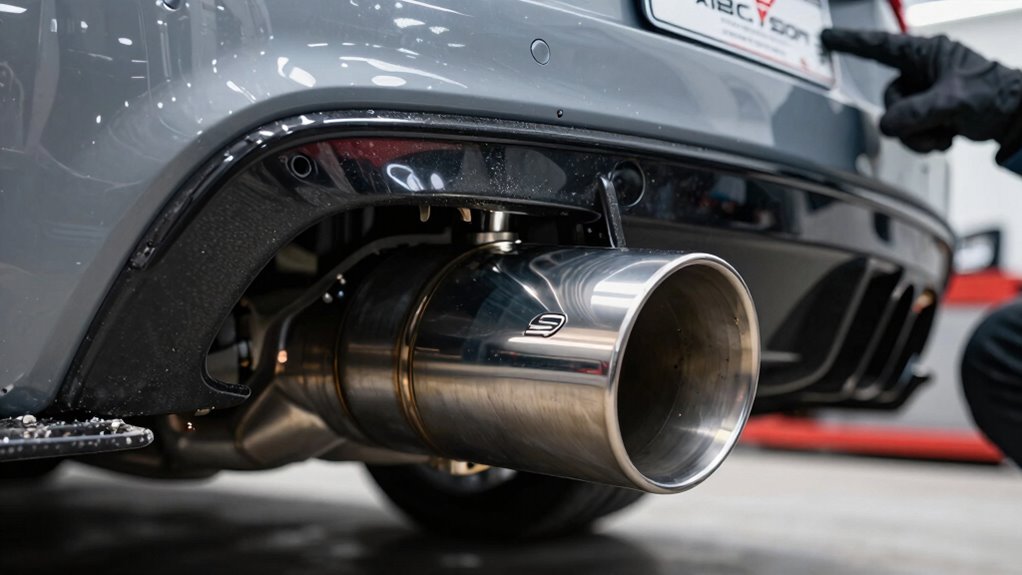
When it comes to performance parts, the line between genuine innovation and copycat products can be blurry, especially when manufacturers make false compliance claims. You might think you’re upgrading your vehicle with a product that promises high quality and adherence to safety standards, but in reality, many of these parts are counterfeit or poorly manufactured copies. This is where the issue of copycat performance parts becomes critical, not just for your wallet but for your safety and legal standing. Manufacturers who falsely claim compliance with safety or emissions standards put consumers at risk and expose themselves to serious legal consequences.
Legal implications are one of the biggest concerns when dealing with these imitation parts. Selling or installing products that claim to meet regulatory standards without actually doing so can lead to hefty fines, lawsuits, and even criminal charges. Regulatory agencies like the EPA or DOT are cracking down on non-compliant parts that bypass emissions testing or safety protocols. If you unknowingly install a copycat part that isn’t certified, you could face penalties if your vehicle is inspected or if an accident occurs. For manufacturers, falsely claiming compliance can result in lawsuits for false advertising or fraud, which can damage their reputation and lead to costly legal battles. The presence of false compliance claims undermines trust in legitimate manufacturers and complicates enforcement efforts. It also becomes increasingly difficult for consumers to distinguish between authentic and counterfeit products in the marketplace. Additionally, enforcement agencies are improving their methods for detecting illegal parts, making it riskier for those involved in the sale of counterfeit products.
Falsely claiming compliance with safety standards can lead to fines, legal actions, and damage to reputation.
Consumer safety is another critical aspect often overlooked with copycat parts. These products are frequently made with inferior materials or poor craftsmanship, which compromises their durability and performance. Installing a counterfeit part might seem like a cost-effective choice initially, but it could cause mechanical failures or safety hazards while you’re on the road. For example, an untested brake component or exhaust system might fail during operation, risking injury or worse. As a consumer, you might also unknowingly void warranties or violate local laws if you install parts that aren’t officially certified. This could make you liable for damages or injuries resulting from substandard components.
The real danger lies in the false sense of security these copycat parts create. They often look identical to genuine parts, making it easy to be deceived. But beneath the surface, they lack the rigorous testing and quality control that reputable manufacturers uphold. This not only jeopardizes your vehicle’s performance but also jeopardizes public safety. When manufacturers make false compliance claims, they undermine the integrity of safety standards meant to protect everyone on the road. As a consumer, it’s crucial to verify the authenticity and compliance of any performance parts before purchase, and be wary of products that seem too cheap or lack proper certification. Additionally, understanding the importance of regulatory standards can help you make informed decisions and avoid unknowingly supporting illegal or unsafe products. Being vigilant about product certifications can further protect you from falling victim to counterfeit parts. Recognizing the signs of counterfeit parts can help you identify suspicious products before installation.
In the end, buying genuine, compliant parts isn’t just about avoiding legal trouble; it’s about ensuring your safety and the safety of others.

Metrix Premium Chassis Parts Outer Tie Rod End Kit Fits Toyota FJ Cruiser
- Compatibility: Fits Toyota FJ Cruiser, Lexus GX470, 4Runner
- Kit Contents: Includes 2 Outer Tie Rod Ends
- Material: Made of durable steel
As an affiliate, we earn on qualifying purchases.
As an affiliate, we earn on qualifying purchases.
Frequently Asked Questions
How Can I Verify if a Performance Part Is Genuine?
To verify if a performance part is genuine, start by checking the product’s authenticity marks, such as serial numbers or holograms. Research the brand’s reputation and buy only from authorized dealers or trusted sources. You can also contact the manufacturer directly with the product details to confirm its legitimacy. Doing these steps guarantees you get a genuine part, maintaining both safety and peak performance.
What Are the Legal Risks of Using Copycat Parts?
By using copycat parts, you face significant legal risks, including potential counterfeit risks that could lead to fines or lawsuits. Authorities actively pursue legal enforcement against counterfeit products, and you might unknowingly infringe on trademarks or patents. These risks can damage your reputation and lead to costly legal battles. To stay safe, always verify the authenticity of parts and purchase from reputable sources to avoid unintended legal consequences.
Do Copycat Parts Affect Vehicle Warranties?
Using copycat parts can absolutely void your vehicle’s warranty—it’s like setting your car up for a catastrophic failure. These parts often lack proper aftermarket safety standards, risking damage and safety issues. Plus, they harm your brand reputation if problems arise. You might save money upfront, but you risk losing coverage and future support from the manufacturer, making it a gamble you don’t want to take.
How Do Compliance Claims Influence Insurance Coverage?
Compliance claims can substantially influence your insurance coverage. If your vehicle has copycat performance parts that don’t meet safety standards, insurance companies might see it as non-compliant, leading to coverage disputes. This could result in your insurer denying claims or reducing payouts, especially if the modifications contributed to an accident. Always make sure your parts pass compliance tests to avoid insurance implications and protect your coverage.
Are There Specific Brands Known for Authentic Performance Parts?
Some brands are renowned for authentic sourcing and maintaining a strong reputation for quality, like OEM manufacturers and trusted aftermarket companies such as MagnaFlow, K&N, and Borla. These brands prioritize genuine parts, giving you confidence in their performance and compliance. When you choose reputable brands, you reduce the risk of installing counterfeit or copycat parts that could compromise your vehicle’s safety, durability, and warranty.
Conclusion
You might think that sticking to copycat performance parts is harmless, but often, it’s more than just coincidence that these parts claim compliance. The line between genuine innovation and imitation blurs, revealing how easily compliance claims can be misleading. In the end, trusting your instincts—and verifying those claims—can prevent costly mistakes. Sometimes, what seems like a coincidence is actually a sign to look deeper, ensuring your performance and safety aren’t left to chance.