
Even small vehicle mods like muffler swaps or air intake changes can cause major legal issues if you’re not careful with emissions compliance. These modifications might seem harmless but can lead to your vehicle producing pollutants beyond legal limits, especially if undocumented. Authorities often catch these issues during roadside inspections or emissions tests, risking fines, impoundment, or worse. Staying informed, documenting your changes, and understanding regional rules can save you from costly penalties. Keep exploring to learn how to avoid these common mistakes.

Get business pricing on garage and car supplies
- Business-only prices and quantity discounts
- Tax-exempt purchasing
- Multiple users, one account, clear invoices
Key Takeaways
- Making unapproved modifications like mufflers or air intakes can cause emissions violations, even if they seem minor.
- Failure to document or verify modifications can lead to penalties during inspections or roadside checks.
- Ignorance of regional emissions regulations can result in illegal vehicle status and legal penalties.
- Small, undetectable mods can still push emissions beyond legal limits, risking fines and vehicle impoundment.
- Not staying updated on local emission laws increases the chance of inadvertent non-compliance.

Many emissions rules are flawed because policymakers often overlook the practical impacts of their regulations. When you modify your vehicle, whether for performance or aesthetics, you might think you’re just customizing it to suit your preferences. But in reality, these simple mods can quickly become major headaches if you’re not careful about vehicle compliance. Regulations are tight, and the boundaries between legal and illegal are often blurry, especially when it comes to emissions. A modification that seems harmless—like replacing a muffler or altering the air intake—can inadvertently push your vehicle out of compliance with the law. If that happens, you risk facing regulatory penalties, which can include hefty fines, vehicle impoundment, or even criminal charges in severe cases.
Modifying your vehicle can lead to legal issues and penalties if you’re unaware of emissions regulations.
You might assume that as long as your vehicle passes a smog test, you’re in the clear. However, not all modifications are easily detectable during standard inspections, and some can cause your vehicle to emit pollutants beyond legal limits without obvious signs. This is where the issue of vehicle compliance becomes tricky. Even small changes, if not approved or properly documented, can result in your vehicle being flagged during a roadside inspection or forced emissions test. Once flagged, authorities can impose penalties, and your vehicle could be deemed illegal to operate until you restore it to compliance. These penalties aren’t just financial; they can also delay your plans and cause frustration. Additionally, proper documentation**** of modifications can serve as proof of compliance if questioned during an inspection.
Many enthusiasts underestimate the importance of understanding local regulations before making modifications. What’s legal in one state or country may be illegal in another, and ignorance isn’t usually a valid defense. If your modifications violate emissions standards, you could find yourself caught in a cycle of fines and repairs. These regulatory penalties aren’t just monetary—they can also damage your reputation or lead to increased scrutiny on future inspections. The consequences extend beyond the legal; they affect your ability to enjoy your vehicle without worry. Staying informed about emissions regulations and their impact can help you avoid costly mistakes and ensure your modifications are compliant from the start. Additionally, understanding the specific regulations for your area can help you plan modifications that are both effective and legal. Being unaware of regulatory differences across regions can lead to unintended violations and complications down the line.
To avoid these pitfalls, it’s crucial to stay informed and know the regulations applicable to your vehicle and location. Ultimately, the key to avoiding these costly mistakes is staying informed about what modifications are permissible and ensuring your vehicle remains compliant with emissions standards. It’s tempting to push the limits for better performance or style, but if you ignore the rules, you risk turning a simple upgrade into a big problem. Take the time to research, consult experts, and keep proper documentation of your vehicle’s compliance status. Doing so helps you avoid the pitfalls of regulatory penalties and ensures your vehicle stays on the road legally and responsibly.
vehicle emissions compliance documentation
As an affiliate, we earn on qualifying purchases.
As an affiliate, we earn on qualifying purchases.
Frequently Asked Questions
How Do Emissions Rules Vary by Vehicle Type?
You’ll find that emissions rules vary by vehicle classification, affecting how you approach modifications. For example, passenger cars often need regular emissions testing, while trucks and SUVs might have different standards or exemptions. Understanding your vehicle’s classification helps guarantee compliance and avoid penalties. Always check local regulations, as emissions testing requirements can differ, and modifications that are fine for one vehicle type may cause issues for another.
What Are Common Misconceptions About Emissions Modifications?
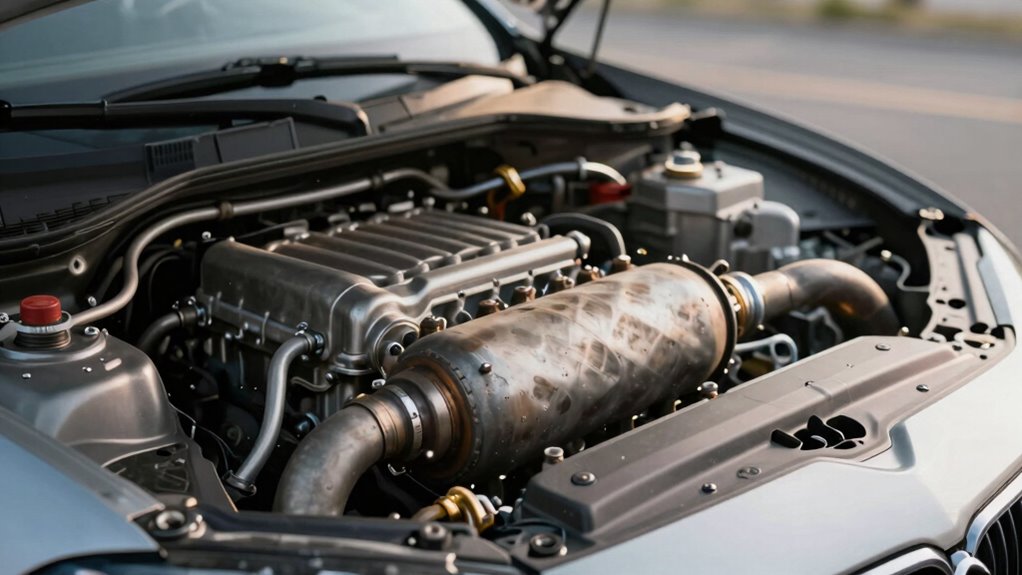
Many believe that aftermarket tuning always boosts performance without affecting emissions, but that’s a misconception. You might think that modifying your exhaust system won’t impact catalyst efficiency, yet it often does. In reality, improper mods can reduce catalyst efficiency, causing your vehicle to emit more pollutants and possibly fail inspections. Always guarantee your modifications comply with emissions regulations to avoid costly penalties and maintain environmentally friendly operation.
Are There Legal Penalties for Unintentional Emissions Violations?
Yes, there are legal repercussions for unintentional emissions violations. If you unknowingly violate emissions laws, you could face penalties, though the severity varies based on the violation’s specifics. Authorities may impose fines, require corrective measures, or even suspend your vehicle’s registration. It’s essential to understand the rules to avoid serious legal consequences, as penalty severity increases with the extent of the violation or repeat offenses.
How Often Do Emissions Regulations Change?
You’ll find emissions regulations change roughly every 2 to 3 years, impacting manufacturing standards and certification processes. These updates aim to tighten environmental controls, but they can catch manufacturers off guard if they’re not staying current. Staying informed helps you avoid costly mistakes. Since regulations evolve frequently, it’s essential to regularly review the latest standards to guarantee your modifications remain compliant and certification processes stay smooth.
What Resources Are Available for Compliance Guidance?
You can find compliance guidance through official resources like your state’s emissions testing programs and the Environmental Protection Agency (EPA) website. Many states also offer manuals and online tools to help you understand regulations concerning aftermarket parts. Joining automotive forums or local car clubs can provide practical advice from enthusiasts who’ve navigated emissions testing successfully. Always double-check that your modifications meet legal standards to avoid costly failures or penalties.
Conclusion
By overlooking or misinterpreting emissions rules, you risk turning minor modifications into major legal and environmental issues. For instance, imagine installing a simple aftermarket part that unintentionally violates emissions standards, leading to costly fines and reputation damage. Staying informed and consulting experts can help you avoid these pitfalls. Remember, what seems like a small upgrade could have big consequences if you ignore the rules—so always double-check and prioritize compliance to keep your project smooth and trouble-free.
Fall Picks
fall essentials
As an affiliate, we earn on qualifying purchases.