TL;DR

Get garage and car supplies delivered free — and shop member deals
- Fast, free delivery on millions of items
- Access to Prime Big Deal Days deals on October 6–7
- Prime Video, Amazon Music and more included
A provision in the 2021 infrastructure law directs the National Highway Traffic Safety Administration to develop standards for technology that detects impaired driving and can limit vehicle operation. The law does not authorize police or federal officials to remotely switch off cars, and the agency missed its original 2024 rulemaking deadline; rules are now due by November 2027.
A 2021 federal law directs the National Highway Traffic Safety Administration to set standards for technology that can detect impaired driving and intervene in a vehicle’s operation, but it does not authorize authorities to remotely shut down cars. The agency missed its original 2024 deadline for final rules, which are now due by November 2027, leaving key details about how the technology would work unresolved.
The requirement is in Section 24220 of the Infrastructure Investment and Jobs Act, also known as the Halt Drunk Driving Act. The statute tells NHTSA to create a standard for “advanced drunk and impaired driving prevention technology” in new vehicles. The law describes systems that may assess impairment by monitoring a driver’s behavior or by measuring blood alcohol concentration.
Under the statute, the technology must be capable of intervening to “prevent or limit motor vehicle operation” if it detects impairment. That language raises questions about how a system might respond, but the law does not call the feature a kill switch or give police, federal agencies, or other authorities the power to remotely disable a vehicle. The Drive’s report says the contemplated intervention would be part of the vehicle’s safety technology, with decisions about detected impairment made through systems set by manufacturers and regulations.
NHTSA was initially directed to finalize its rules in 2024, but it did not meet that deadline. The current statutory deadline is November 2027. Until the agency issues its standard, the specific technical requirements and how automakers would have to comply are not established by the source report.
How the Requirement Could Affect Drivers
The proposal matters because it would move impairment prevention beyond the ignition interlocks already used in some court-ordered cases. Those devices generally require a driver to provide a breath sample before starting a vehicle. The law instead calls for a standard applying to new cars generally, with technology that could monitor for impairment and intervene during operation.
That could change how drivers experience vehicle safety systems and how decisions about whether a car can be operated are made. The source report notes that systems might use sensors and cameras already present in some vehicles, but the final technical approach has not been set out. The potential use of in-car monitoring also makes the details of detection, intervention, and safeguards important to drivers and manufacturers.
The distinction between a vehicle’s automated safety response and a government-operated remote shutdown is central. The law establishes a framework for impairment-prevention technology; it does not establish a general federal power to remotely stop a car. The Drive report argues that future changes to law could expand government authority, but that is a concern about a possible later change—not a power granted by this provision.
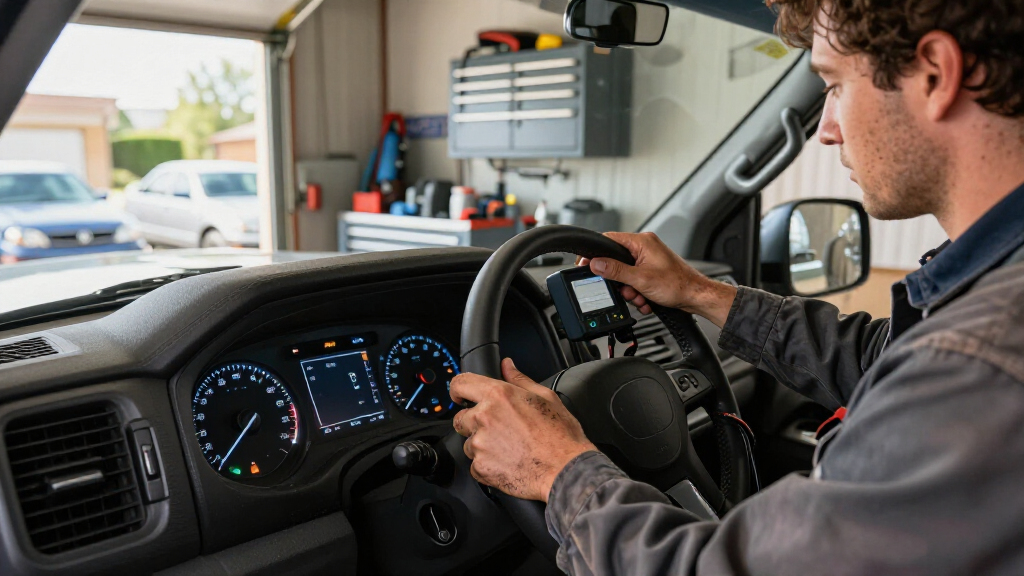
impaired driving detection system for cars
As an affiliate, we earn on qualifying purchases.
As an affiliate, we earn on qualifying purchases.
From Interlocks to Vehicle Standards
The requirement was included in the Infrastructure Investment and Jobs Act, a $1.2 trillion law passed in 2021. The law addressed infrastructure and other policy areas; Section 24220 set the impaired-driving technology mandate. Its stated aim is to prevent drunk and impaired driving by requiring NHTSA to establish a standard for new vehicles.
Ignition interlocks provide a useful comparison, though they are not the same system. Interlocks are installed in particular circumstances, often following a court order, and test a driver before the vehicle starts. The law describes a broader category of technology that could monitor a driver and limit operation if impairment is detected. The specific system and required safeguards depend on NHTSA’s rulemaking.
Reports about an imminent government “kill switch” have circulated as the deadline approached. The source report says the original 2024 deadline was missed and points to November 2027 as the revised deadline. That timetable means the law’s general requirement is in place, while the detailed federal standard remains pending.
““advanced drunk and impaired driving prevention technology””
— Section 24220 of the Infrastructure Investment and Jobs Act, as quoted in The Drive report
Technical Rules and Safeguards Remain Pending
The source material does not establish which detection methods NHTSA will require, how impairment thresholds will be set, or what form an intervention could take. It also does not specify how systems would handle errors, account for different driving conditions, or protect data collected by sensors or cameras. Those questions depend on the agency’s final standard and are not answered by the statute as described in the report.
It is also unclear when NHTSA will publish the final requirements within the period ending in November 2027. The law’s current text, as summarized by The Drive, does not authorize law enforcement or federal officials to remotely disable a vehicle. The report’s warning that lawmakers could later amend the law is a possibility, not evidence that such authority has been enacted.
NHTSA Rulemaking Is the Next Milestone
The next key development is NHTSA’s work to complete the standard by the November 2027 deadline. The final rule should clarify what technology automakers must use, how it must detect impairment, and what actions a vehicle may take when impairment is identified. Until the agency publishes those requirements, descriptions of a specific nationwide system remain premature.
Drivers and policymakers can distinguish between the mandate now on the books and claims about expanded authority: the statute requires NHTSA to set an impairment-prevention standard, while the remote government kill switch described in rumors is not authorized by the law. The rulemaking—and any later legislative changes—will determine whether that distinction changes.
Key Questions
Does the law let the government remotely turn off cars?
No. The Drive report says Section 24220 does not give police or federal officials authority to remotely shut down vehicles. It directs NHTSA to create standards for impaired-driving prevention technology.
What does the law require?
It directs NHTSA to establish a standard for advanced drunk and impaired driving prevention technology in new vehicles. The technology must be capable of preventing or limiting vehicle operation if impairment is detected.
When are the federal rules due?
NHTSA missed the original 2024 deadline. The deadline for finalizing the rules is now November 2027, according to the source report.
How is this different from an ignition interlock?
An ignition interlock typically tests a driver before a vehicle starts and is used in particular cases, often under a court order. The law calls for a standard covering impairment-prevention technology in new cars, potentially including monitoring and intervention while a vehicle is in use.
What details are still unknown?
The final detection methods, impairment thresholds, forms of intervention, and data safeguards have not been specified in the source material. NHTSA’s rulemaking is expected to set out those requirements.
Source: rss
Halloween Picks
halloween
As an affiliate, we earn on qualifying purchases.