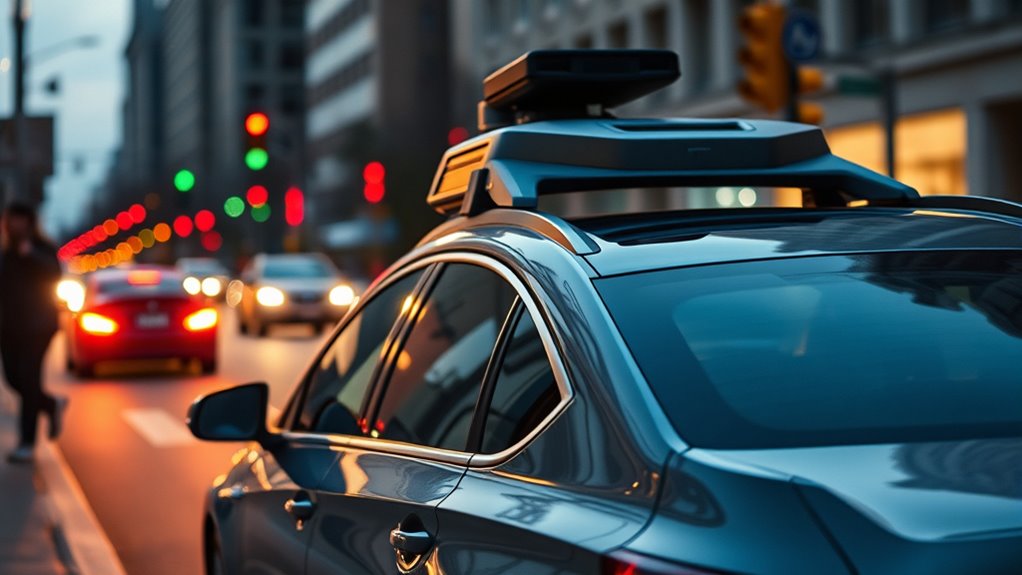

When modifying your vehicle for autonomous driving, you must follow legal limits and safety standards to stay compliant and safe. Confirm your upgrades include certified sensors, cameras, and software that meet regulatory guidelines, as bypassing these can lead to legal issues or insurance problems. Properly approved modifications can reduce liabilities and ensure safe operation. To protect yourself and your investment, staying informed about local laws and standards is essential—continue to explore how to do this effectively.

Get garage and car supplies delivered free — and shop member deals
- Fast, free delivery on millions of items
- Access to Prime Big Deal Days deals on October 6–7
- Prime Video, Amazon Music and more included
Key Takeaways
- Ensure modifications comply with local safety standards and obtain necessary certifications or inspections.
- Consult legal experts to understand jurisdiction-specific regulations for autonomous vehicle modifications.
- Use approved sensors, software, and hardware to meet safety requirements and reduce liability risks.
- Verify that insurance policies are updated and compliant with modifications to avoid coverage issues.
- Stay informed about evolving legal boundaries and standards to maintain vehicle safety and legal compliance.
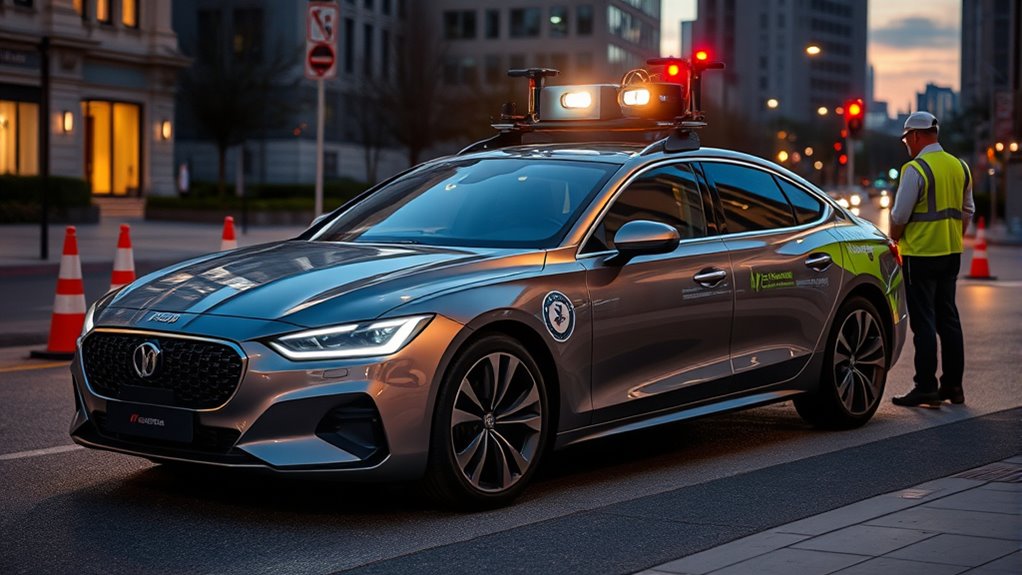
Have you ever wondered how vehicles become capable of driving themselves? It’s a fascinating process that involves integrating advanced sensors, cameras, and software into traditional cars. But before you start modifying your vehicle for autonomous driving, it’s essential to understand the legal limits and safety standards that govern these modifications. One of the most significant considerations is the insurance implications. When you add self-driving features or convert a vehicle into an autonomous one, your insurance policy might need adjustments. Insurers often view modifications as potential risks, which could lead to higher premiums or even coverage denial if the modifications don’t meet regulatory standards. Plus, if an accident occurs involving a self-driving system, your insurer will scrutinize whether the vehicle was properly equipped and compliant with safety standards. This ties directly into liability concerns. In traditional driving accidents, fault is usually clear-cut: the driver is responsible. But with autonomous vehicles, liability can become complex, involving manufacturers, software developers, or even third-party modification companies. If your vehicle’s self-driving system malfunctions or causes an accident, questions about who’s legally liable arise. Are you responsible for the malfunction, or does the manufacturer bear the fault? Regulatory bodies are still working to define these boundaries, but in the meantime, modifications that aren’t approved or tested according to safety standards can expose you to legal risks. That’s why adhering to established safety standards is vital. These standards set the minimum requirements for sensors, algorithms, and fail-safes to guarantee the vehicle operates safely within legal limits. When modifications bypass these standards, they not only threaten your safety but also complicate legal and insurance matters if something goes wrong. Additionally, many jurisdictions have strict laws about which modifications are permitted on public roads. Some areas require certifications or inspections before a vehicle with self-driving features can be legally driven. Ignoring these rules can lead to fines, penalties, or invalidated insurance coverage. It’s best to consult with legal experts or certified professionals who understand the local regulations and safety standards before making any modifications. Ultimately, the goal is to enhance your vehicle’s capabilities without crossing legal boundaries or compromising safety. Properly approved modifications can reduce liability concerns and ensure that your vehicle remains insurable and compliant. Staying informed and cautious about legal limits and safety standards helps protect you from unexpected legal and financial consequences, giving you peace of mind as you enjoy the advances of autonomous driving technology. Additionally, understanding regulatory standards related to self-driving modifications can help ensure your vehicle’s compliance and safety.
As an affiliate, we earn on qualifying purchases.
Frequently Asked Questions
Can I Legally Install Aftermarket Self-Driving Systems on Any Vehicle?
You can’t legally install aftermarket self-driving systems on any vehicle without verifying local laws. The legality of such modifications depends on your state’s rules regarding aftermarket legality and modification restrictions. Some areas require safety certifications or specific approvals before installation. Always research your local regulations and consult professionals to ensure your modifications comply with safety standards and avoid legal issues. Ignoring these rules risks fines or invalidating your vehicle’s insurance.
How Do Safety Standards Differ Between Various Automakers’ Self-Driving Modifications?
You’ll find safety standards vary among automakers’ self-driving modifications due to manufacturer compliance and safety certification processes. Some companies strictly adhere to rigorous safety protocols and obtain certifications before releasing updates, ensuring higher reliability. Others might have looser standards, which could affect safety. Always check each manufacturer’s compliance and certification details to understand how their safety standards compare, so you can make informed decisions about the technology you choose for your vehicle.
Are There Specific Insurance Implications for Vehicles With Self-Driving Modifications?
You should know that vehicles with self-driving modifications can impact your insurance coverage and liability considerations. Insurance providers may adjust your premiums or require additional coverage because of the added technology. In the event of an accident, liability might shift to the manufacturer or modifier, affecting your claim process. Always check with your insurer to understand how self-driving modifications influence your coverage and guarantee you’re protected against potential risks.
What Are the Penalties for Illegal Self-Driving Modifications?
If you make illegal self-driving modifications, you could face penalties like hefty fines, license suspension, or even criminal charges. Liability issues become complicated if an accident occurs, as you may be held responsible for regulatory non-compliance. Authorities enforce these laws to ensure safety standards are met, so always verify your modifications adhere to legal requirements to avoid penalties and potential legal complications.
How Often Are Safety Standards for Self-Driving Tech Updated or Revised?
Ever wondered how often safety standards for self-driving tech change? They’re regularly updated through software updates and regulatory changes to keep pace with new technology and safety insights. Authorities review and revise these standards based on safety data, technological advances, and industry feedback. While updates aren’t on a strict schedule, staying informed guarantees your vehicle remains compliant and safe, so you’re always protected on the road.
Conclusion
While modifying your vehicle for self-driving features might seem risky or illegal, understanding and complying with legal limits and safety standards makes it safer and more reliable. You might worry about losing control, but proper adherence to regulations guarantees your car remains safe on the road. Embracing these standards enables you to enjoy the benefits of automation without compromising safety. So, follow the rules — it’s the best way to experience the future of driving confidently.
Halloween Picks
halloween
As an affiliate, we earn on qualifying purchases.