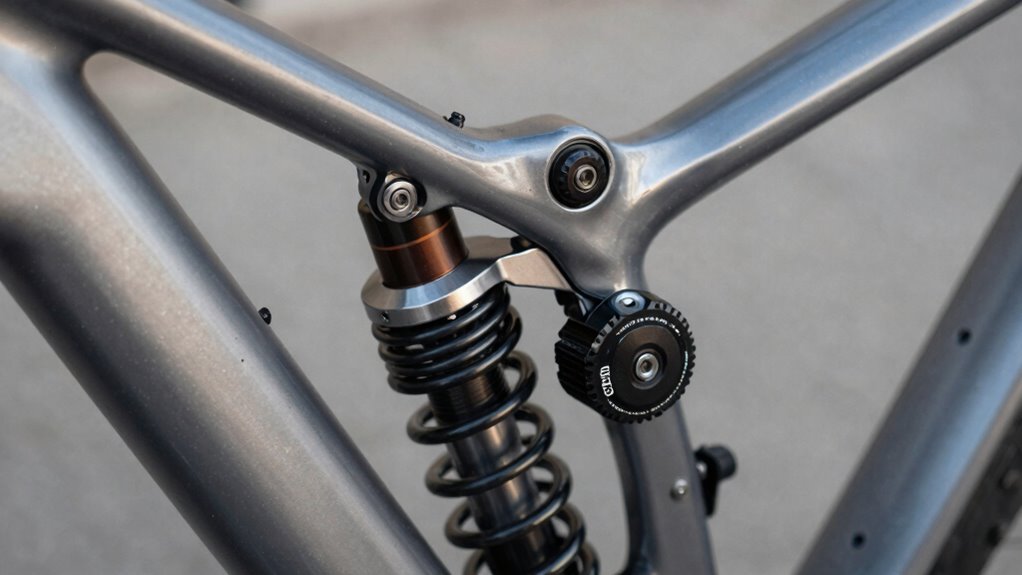

Adjustable damping confuses many first-time suspension buyers because it involves numerous knobs, settings, and technical terms that can feel overwhelming. You might not understand why there are multiple damping options or what each adjustment does, making it hard to fine-tune your bike. This complexity can lead to frustration and guesswork, especially if you’re new to suspension tuning. Stick with it, and you’ll discover how understanding these mechanisms can improve your ride and confidence.

Get business pricing on garage and car supplies
- Business-only prices and quantity discounts
- Tax-exempt purchasing
- Multiple users, one account, clear invoices
Key Takeaways
- The numerous knobs and terminology make understanding suspension adjustments overwhelming for beginners.
- Incorrect damping settings can drastically change ride feel, causing confusion about what adjustments are needed.
- Damping mechanisms and modes are complex, leading to uncertainty about how each setting affects performance.
- Trial and error are often involved, making it hard for first-timers to know if adjustments improve ride quality.
- Lack of clear guidance on tuning suspension prevents new buyers from confidently optimizing their bike.
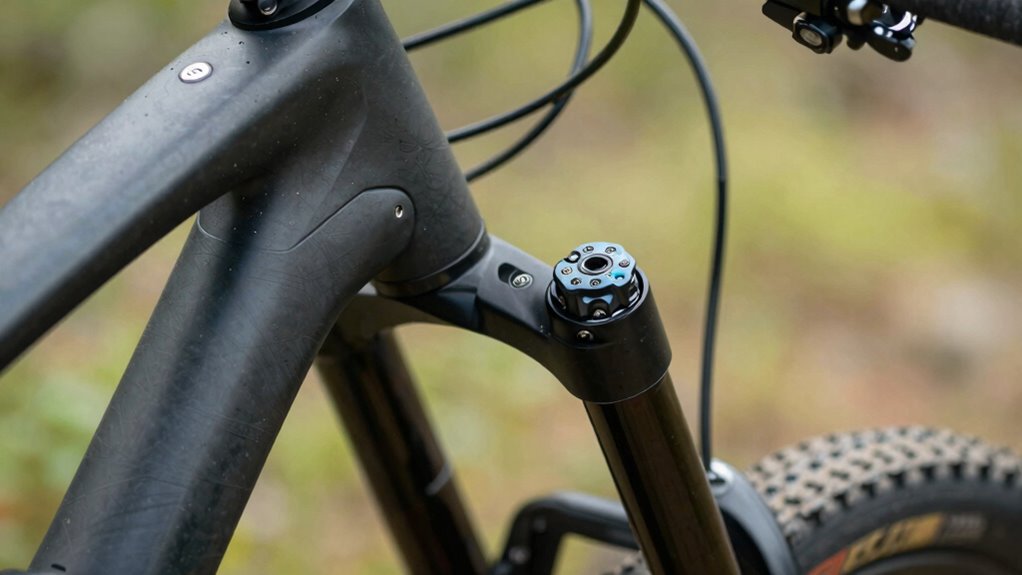
If you’re new to mountain biking or cycling in general, adjustable damping on suspension can seem overwhelming. The array of knobs, settings, and terminology might make you feel like you need a degree in engineering just to understand what’s best for your ride. It’s common to feel confused about why suspension offers so many adjustments and how they impact your experience. The truth is, adjustable damping aims to fine-tune your ride, but it can also complicate your decision-making process, especially when it comes to ride comfort and maintenance requirements. Many first-time buyers don’t realize that the different damping settings can significantly influence your ride quality and overall handling. Ride comfort is one of the main reasons people seek adjustable damping. It allows you to customize how the suspension responds to different terrains and riding styles. For example, softer settings absorb bumps more effectively, providing a smoother ride on rough trails. Firmer settings, on the other hand, improve efficiency when climbing or sprinting. However, with so many options, it’s easy to get caught up in trying to find the “perfect” setting. Many first-time buyers don’t realize that tweaking these adjustments can considerably change how the bike feels under them. It’s often a process of trial and error, which can be frustrating if you’re unsure what each adjustment does. That’s why understanding how damping works—and how to set it for your riding conditions—is key to enhancing ride comfort without overcomplicating your experience. Knowing how to adjust damping correctly can make a big difference in your overall riding satisfaction. Becoming familiar with suspension tuning and understanding the adjustment mechanisms can help you make more informed decisions and avoid unnecessary adjustments that don’t improve your ride. Additionally, familiarizing yourself with the different damping modes can help you quickly adapt your suspension to changing terrain and riding styles.
mountain bike suspension damping adjustment
As an affiliate, we earn on qualifying purchases.
As an affiliate, we earn on qualifying purchases.
Frequently Asked Questions
How Does Damping Affect Overall Bike Handling?
Damping directly impacts your bike handling by controlling suspension movement, which influences suspension calibration and rider comfort. When damping is correctly set, your bike responds smoothly to terrain, providing stability and confidence. Too stiff damping makes the ride harsh, while too soft causes excessive suspension movement. Adjusting damping helps tailor the ride to your style and terrain, ensuring peak handling and comfort during your ride.
Can I Adjust Damping While Riding?
You can typically adjust damping while riding, but it’s not always recommended without proper suspension maintenance. Many bikes have knobs or levers that let you tweak damping settings on the fly, which helps with rider weight customization and adapting to terrain. However, frequent adjustments can affect suspension performance, so it’s best to experiment carefully and understand how each change impacts your ride. Always refer to your bike’s manual for specific guidance.
What’s the Difference Between Rebound and Compression Damping?
Rebound damping controls how quickly your suspension returns after compression, while compression damping manages how it absorbs bumps. Think of rebound as the bounce-back and compression as the squeeze. When tuning suspension, you balance these settings based on rider preference and terrain. Too slow rebound feels sluggish; too fast, uncontrolled. Mastering these adjustments means your ride becomes a smooth dance, not a chaotic jig—unless you prefer chaos, then, by all means, ignore it.
Do All Suspension Forks Have Adjustable Damping?
Not all suspension forks have adjustable damping. Many entry-level models feature fixed damping settings, which means you can’t customize how they respond to terrain. Higher-end forks often include adjustable damping to suit your rider preferences, but they require regular suspension maintenance to keep performing well. If you’re new, think about how much customization you want, and remember that adjustable damping can enhance comfort and control as you gain experience.
How Do I Know if My Damping Settings Are Correct?
To know if your damping settings are correct, focus on suspension calibration and rider weight adjustments. Test your bike on different terrains, and if the suspension feels too soft or too firm, tweak the damping accordingly. You should experience smooth handling without excessive bounce or harsh impacts. Adjust your settings gradually, considering your weight, and always test ride after each change to guarantee peak performance and comfort.
Conclusion
So, don’t let adjustable damping’s tricky dance overwhelm you. Think of it as tuning a guitar—once you find the right note, your ride becomes a smooth melody through every twist and turn. Keep it simple, ask questions, and trust your instincts. With a little patience, you’ll master the rhythm of your suspension, turning confusion into confidence. Before long, you’ll be cruising like a maestro, steering your bike or car with the finesse of a seasoned performer.
Fall Picks
fall essentials
As an affiliate, we earn on qualifying purchases.