When you upgrade to higher-quality tires, you’ll notice better grip and handling, but it also exposes weaknesses in your suspension or alignment that were hidden before. Improved traction puts extra stress on steering, shocks, and chassis components, making issues more noticeable. Unexpected vibrations or uneven tire wear are signs of misalignment or worn parts. Understanding these hidden flaws is essential for safety and performance—keep going to discover how to fix and optimize your setup effectively.

Get business pricing on garage and car supplies
- Business-only prices and quantity discounts
- Tax-exempt purchasing
- Multiple users, one account, clear invoices
Key Takeaways
- Higher-quality tires increase grip, which exposes existing suspension and alignment issues previously hidden.
- Improved traction amplifies the effects of misaligned or worn suspension components.
- Better tires transfer more force to suspension parts, revealing weaknesses like worn shocks or bushings.
- Upgraded tires make handling more sensitive, highlighting instability caused by improper setup.
- Enhanced grip stresses suspension systems beyond their current capacity, exposing the need for calibration or repairs.
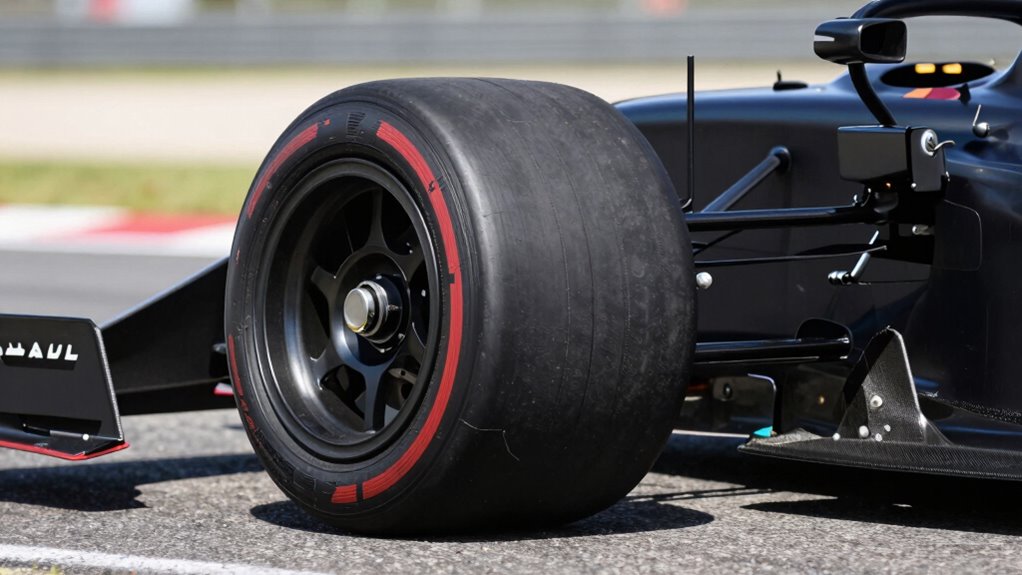
When you switch to higher-quality tires, the increased tire grip allows your vehicle to corner more aggressively and brake more effectively. However, this enhanced grip also demands a more precise suspension setup. If your suspension components are worn out or misaligned, you’ll notice uneven tire wear, excessive body roll, or unpredictable steering responses. The suspension must work in harmony with the tires to maintain optimal contact with the road. When that balance is off, your car’s handling can feel twitchy or unstable, especially during quick maneuvers or on uneven surfaces.
You may find yourself adjusting your driving style or tightening your grip on the steering wheel, but the root cause often lies in the vehicle’s suspension not being able to keep up with the improved tire performance. An imbalance in suspension components—like worn shocks, struts, or bushings—becomes more apparent because the tires are now doing their job better. Instead of masking these weaknesses, the better tires serve as a diagnostic tool, revealing where your setup needs improvement. Recognizing suspension issues early can prevent further damage and improve overall safety.
Furthermore, the increased tire grip can lead to increased stress on other parts of your vehicle, such as the steering system or chassis mounts. If your suspension isn’t properly calibrated, you might experience a rougher ride or increased vibrations. This isn’t because the tires are faulty but because your vehicle isn’t optimized to handle their capabilities. The process of upgrading tires acts as a wake-up call for your vehicle’s overall health, making it clear where maintenance or upgrades are necessary. Better tires can also serve as a diagnostic tool, highlighting other underlying vehicle weaknesses that may need attention. Additionally, the improved traction can lead to increased suspension stress if your setup isn’t designed to handle it.
In essence, better tires are like a magnifying glass—they highlight weaknesses that were previously hidden. To truly benefit from the improved tire grip, you need to ensure your suspension balance is spot-on. Otherwise, you risk not only diminished performance but also increased wear and potential safety issues. Upgrading your tires is a step forward, but it’s only part of the equation. The real improvement comes when your entire setup is tuned to match the capabilities of your new, better tires.
Products Worth Considering

Chemical Guys 14-Piece Arsenal Builder Car Wash Kit with Foam Blaster

Milwaukee M18 FUEL 2-Tool Combo Kit (Impact Driver & Hammer Drill)

Chemical Guys Arsenal Builder Car Wash Kit with Foam Cannon and Carry Bag
As an affiliate, we earn on qualifying purchases.
Frequently Asked Questions
How Do Tire Compounds Affect Overall Vehicle Handling?
Tire compounds directly impact your vehicle’s handling by influencing grip and responsiveness. Softer tire rubber improves traction but wears faster, giving you better cornering and steering feedback. Harder compounds last longer but provide less grip, making handling feel less precise. Your setup’s effectiveness depends on balancing compound hardness with tire rubber characteristics to match driving conditions, maximizing control without sacrificing durability.
Can Upgrading Tires Improve Lap Times Significantly?
Upgrading tires can notably improve your lap times by enhancing road grip and reducing tire wear. Better tires provide more traction, allowing you to corner faster and brake more confidently. However, if your setup isn’t optimized, this improvement might expose weaknesses elsewhere, like suspension or alignment issues. So, while upgraded tires boost performance, make certain your entire setup is balanced to fully benefit from the increased grip and durability.
What Are the Signs of Suspension Weakness Revealed by Better Tires?
You’ll notice suspension weakness through uneven tire wear patterns, like cupping or feathering, which indicate instability. Handling anomalies, such as increased body roll, unpredictable steering, or vibrations, also point to suspension issues. Better tires grip more effectively, exposing these flaws. If you see irregular wear or strange handling, it’s time to inspect your suspension components, as weaknesses become more apparent with improved tire performance.
Do Tire Pressures Impact the Detection of Setup Weaknesses?
Coincidences often reveal how tire pressure impacts your setup. Maintaining tire pressure consistency guarantees you’re accurately sensing weaknesses, but temperature effects can cause pressure fluctuations, masking or exaggerating issues. When tire pressures aren’t stable, you might misread signs of suspension or chassis problems. By monitoring pressure carefully and accounting for temperature changes, you’ll better detect setup flaws and optimize your vehicle’s performance.
How Often Should Tire Alignment Be Checked After Upgrades?
You should check your tire alignment every 5,000 to 6,000 miles, especially after upgrades. Regular tire rotation helps guarantee even tread wear and can reveal alignment issues early. Upgrades often alter vehicle dynamics, making alignment checks more essential to prevent uneven tread wear and maintain ideal handling. Stay proactive; proper alignment keeps your tires performing well and extends their lifespan, especially after significant setup changes.
Conclusion
So, next time your new tires grip the road like never before, remember—they’re just revealing what was already lurking beneath the surface. It’s a bit ironic, really. Upgrading one part of your setup exposes the flaws in another, reminding you that perfection isn’t simply about better tires, but about a balanced, well-tuned system. Sometimes, the most advanced gear only underscores how much more work there is to do—an elegant, if frustrating, truth.