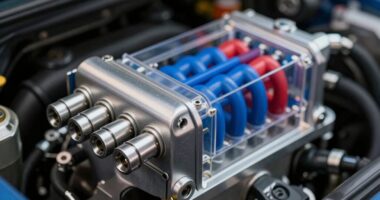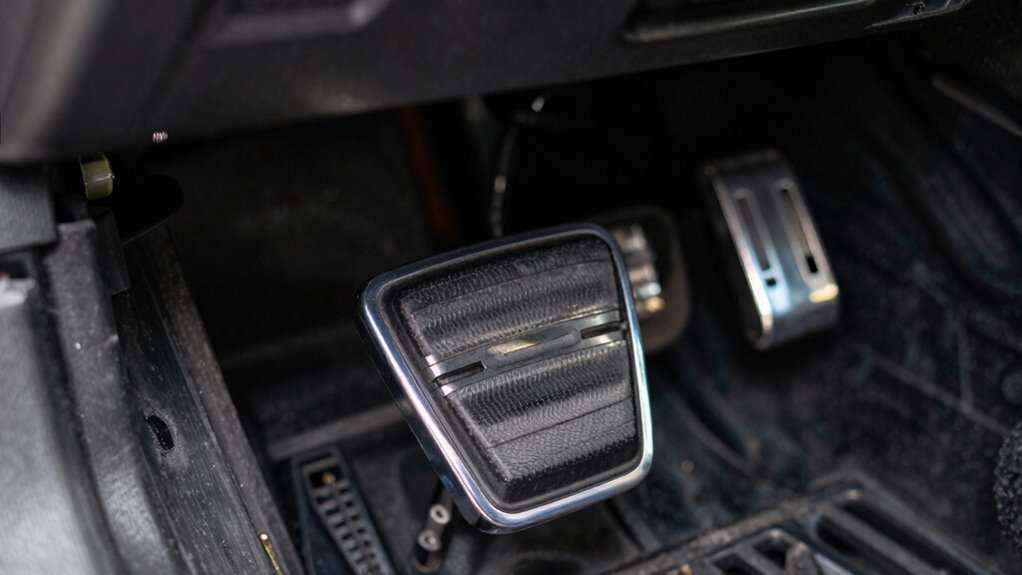

Your brake feel varies based on factors like brake fluid consistency, which affects pedal response and pressure transfer; maintaining fresh, proper fluid keeps it predictable. Caliper mounting rigidity and precise alignment guarantee direct force delivery and consistent pedal feel. Component quality, such as brake pads and rotors, also plays a role. By focusing on fluid quality and secure mounting, you can greatly improve your braking experience—stay tuned to discover how all these elements come together.

Get business pricing on garage and car supplies
- Business-only prices and quantity discounts
- Tax-exempt purchasing
- Multiple users, one account, clear invoices
Key Takeaways
- Variations in brake fluid quality and condition affect pedal responsiveness and consistency.
- Differences in caliper mounting rigidity influence force transmission and pedal firmness.
- Proper component alignment and installation ensure predictable, linear brake pedal feel.
- The type of brake pads and rotor condition impact modulation and feedback.
- Hydraulic system design and maintenance play a crucial role in brake modulation and feel.
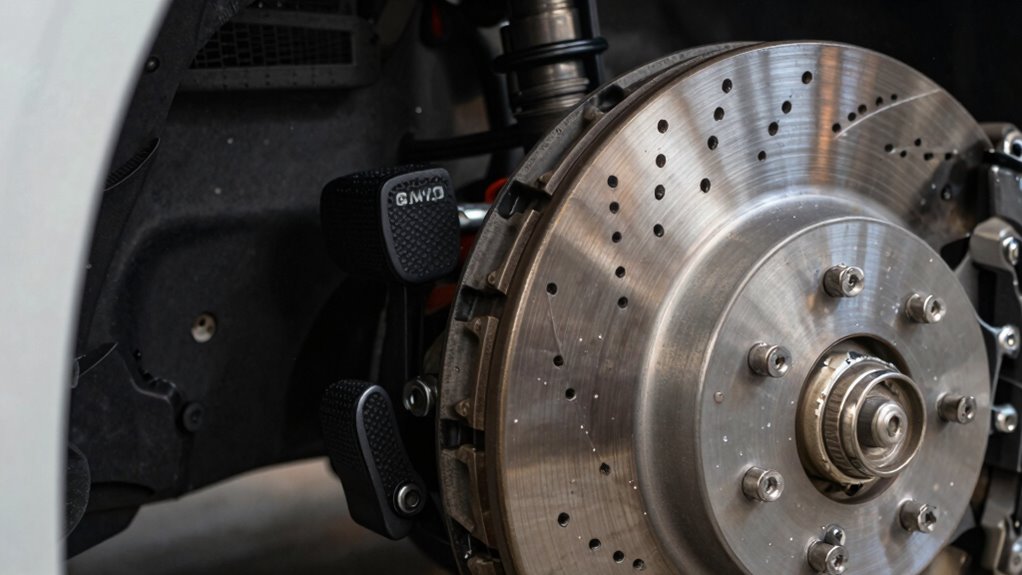
When it comes to braking performance, the feel of your brake pedal can vary considerably from one setup to another, affecting your control and confidence on the road. This variation largely depends on how the braking system is configured and the quality of its components. Two key factors that influence brake feel are brake fluid consistency and caliper mounting rigidity. Understanding how these elements work can help you tune your brakes for a more predictable and responsive pedal feel.
Brake fluid consistency plays a crucial role in how your brake pedal responds. If the fluid is too thick or contaminated, it may compress unevenly, resulting in a spongy or inconsistent pedal feel. Conversely, fresh, well-maintained brake fluid with the right viscosity allows for smooth, predictable pressure transfer from your pedal to the calipers. This consistency ensures that when you press down, your brakes respond promptly and with minimal pedal travel, giving you better modulation and control. Regularly checking and replacing brake fluid can prevent issues like air bubbles or moisture buildup, which can compromise fluid consistency and, consequently, your braking feel. Additionally, the quality of brake fluid can influence the overall braking experience and should be considered when optimizing your system. Ensuring proper hydraulic system maintenance can also help maintain consistent brake pedal feel. Paying attention to these elements can prevent unexpected changes in brake response, especially under demanding driving conditions.
Consistent, fresh brake fluid ensures responsive, smooth pedal feel and better control during braking.
Caliper mounting rigidity also significantly impacts brake feedback. When calipers are mounted securely with high rigidity, they transmit force more directly from the brake pads to the rotors. This direct force transfer results in a firmer, more immediate pedal response. On the other hand, loose or flexible mounting can cause pedal travel to increase, making your brake pedal feel soft or spongy. It can also reduce the precision of brake modulation, making it harder to judge how much pressure to apply. Upgrading to a sturdier caliper mounting setup or ensuring proper tightening can improve the overall feel, giving you more confidence during aggressive or precise braking maneuvers. Proper mounting is especially important in high-performance setups where precise feedback is critical. Mounting rigidity is often overlooked but plays a crucial role in the overall braking experience. Moreover, assessing component alignment and ensuring all parts are properly installed can further enhance the consistency of brake feel.
Other factors, like the type of brake pads, rotor condition, and hydraulic system design, also influence pedal feel, but brake fluid consistency and caliper mounting rigidity are among the most impactful. When these components are optimized, your brake pedal will feel more linear and responsive, which is essential for safe and confident driving. If your braking feels off—soft, unpredictable, or inconsistent—you might need to look at these core elements. Ensuring your brake fluid is fresh and your calipers are mounted securely can make a noticeable difference, transforming your braking experience into one that’s precise, confident, and reliable.
As an affiliate, we earn on qualifying purchases.
Frequently Asked Questions
How Does Brake Pad Material Affect Brake Feel?
Brake pad material considerably affects brake feel through its composition and interaction with the rotor. Different brake pad compositions, like ceramic or organic, provide varying levels of responsiveness and noise. Wear indicators also influence how you perceive brake feel, alerting you to pad wear. Softer materials might offer better initial grip but wear faster, while harder pads provide consistent feel. Your setup’s brake pad choice directly impacts how responsive, noisy, and predictable your brakes feel.
Can Brake Fluid Type Influence Brake Pedal Response?
Yes, brake fluid type can influence pedal response. Different fluids affect hydraulic efficiency, which impacts how quickly and smoothly the brake pedal responds. High-quality brake fluids with a higher boiling point maintain pedal firmness under heavy use, preventing sponginess caused by vaporization. Selecting the right fluid guarantees consistent hydraulic performance, giving you a firm pedal feel and reliable braking performance, especially during demanding driving conditions.
What Role Does Brake Rotor Design Play in Feel?
Brake rotor design greatly impacts your brake feel. A rotor’s brake surface affects how evenly heat is distributed, influencing responsiveness. Ventilation design, such as slots or drilled holes, helps dissipate heat quickly, reducing brake fade and providing a more consistent pedal feel. If your rotors are poorly designed, you might experience spongy or unresponsive brakes. Proper design guarantees better heat management, giving you a confident, firm brake pedal every time you press.
How Does Caliper Stiffness Impact Brake Modulation?
Coincidentally, the stiffness of your caliper dramatically influences brake modulation. When your caliper design is stiff, it responds more precisely to hydraulic pressure, giving you better control over braking force. Flexible calipers can feel mushy or inconsistent because they absorb some pressure, making modulation harder. So, a stiffer caliper means more predictable brake feel, allowing you to fine-tune your braking, especially in demanding riding or racing situations.
Does Vehicle Weight Distribution Affect Brake Feedback?
Yes, vehicle weight distribution affects brake feedback. When weight shifts due to suspension dynamics during braking, you notice changes in pedal feel. For example, if more weight transfers to the front, braking becomes more responsive, especially on uneven road surfaces. This shift influences how the brakes engage, making pedal feel different depending on terrain and suspension setup. Proper balance helps maintain consistent brake feedback and control.
Conclusion
So, next time you tweak your brake setup, remember: what feels perfect today might frustrate you tomorrow. It’s almost ironic how something as essential as brake feel can be so unpredictable, yet so critical to your ride’s safety and confidence. Sometimes, chasing the perfect setup is like chasing a mirage—constant, elusive, and oddly addictive. But hey, isn’t that what makes cycling so endlessly fascinating? Keep experimenting; the perfect feel might just be around the bend.
Halloween Picks
halloween
As an affiliate, we earn on qualifying purchases.