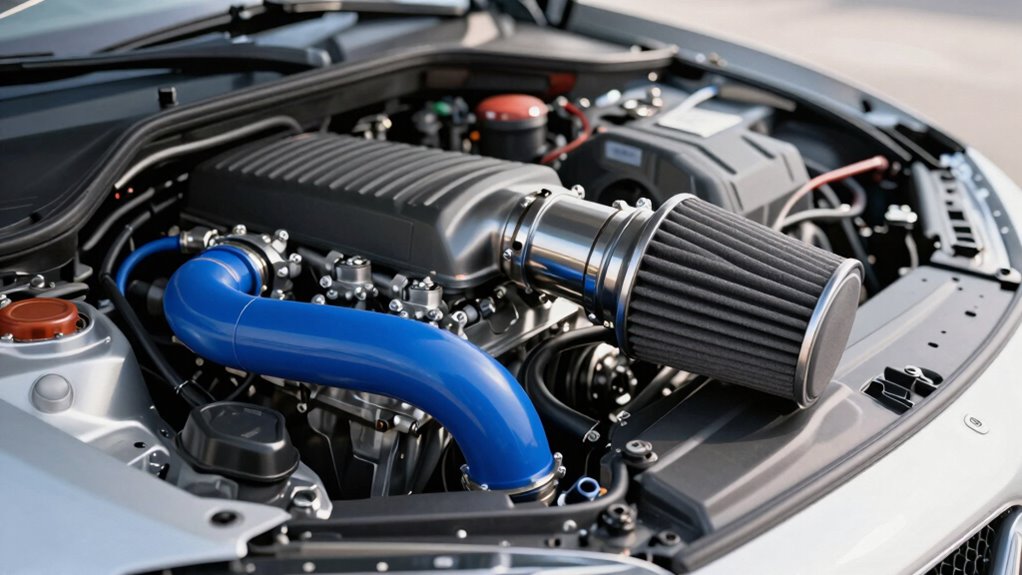

The performance gains from a cold air intake depend on your car’s engine design, tuning, and airflow setup. Some engines respond better, especially naturally aspirated ones with larger intake manifolds, while turbocharged engines might see little change. The quality and integration of the intake, along with how well it complements your engine’s internal components, also matter. If you want to understand why results vary so much, keep exploring how these factors influence your car’s performance.

Get garage and car supplies delivered free — and shop member deals
- Fast, free delivery on millions of items
- Access to Prime Big Deal Days deals on October 6–7
- Prime Video, Amazon Music and more included
Key Takeaways
- Engine tuning and internal settings determine how much airflow improvements translate into power gains.
- Engine architecture (naturally aspirated vs. forced induction) influences intake upgrade effectiveness.
- Intake design quality, including airflow path and turbulence minimization, affects performance results.
- Proper integration with existing airflow systems is essential for maximizing benefits.
- Variations in engine components and customization impact how significantly a cold air intake improves performance.
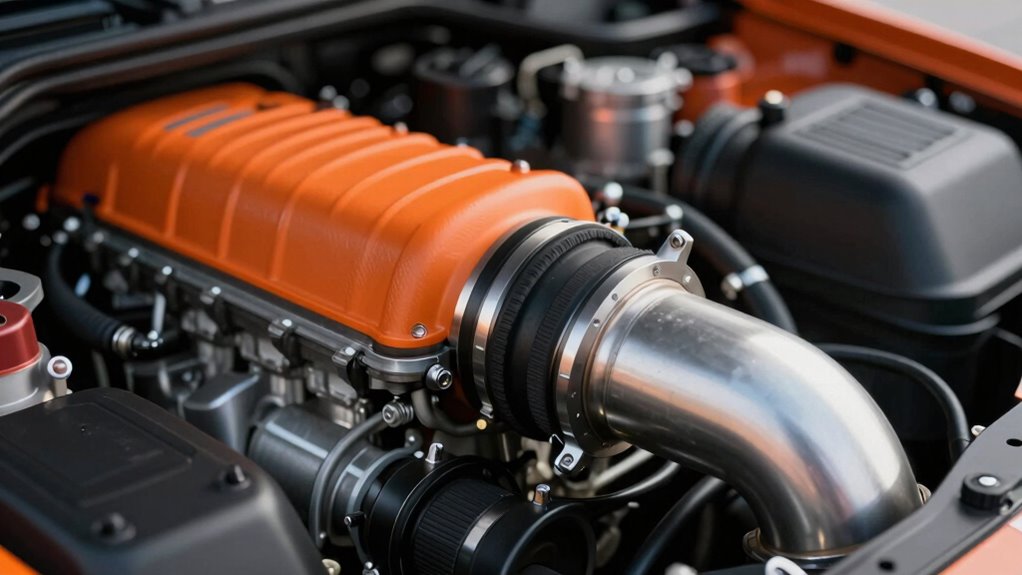
Cold air intakes are a popular upgrade for boosting your car’s performance, but their results can differ considerably from one vehicle to another. The reason lies in how each car’s engine responds to the change in airflow. When you install a cold air intake, you’re primarily aiming to improve airflow efficiency—that is, how smoothly and effectively air moves into the engine. But the real impact depends on a variety of factors, including the engine’s design, existing tuning, and how well the intake system complements these elements.
Your engine’s tuning plays a significant role in how much benefit you’ll see. Some engines are more responsive to increased airflow because of their internal settings and calibration. If your vehicle’s engine management system is set up to optimize for stock intake conditions, adding a cold air intake might offer noticeable gains. However, if the engine is already finely tuned or heavily restricted internally, the improvements could be minimal. In such cases, the engine tuning fundamentally limits how much extra power you can gain from increased airflow, regardless of the intake upgrade.
Another key factor is the specific architecture of your engine. For example, naturally aspirated engines with larger intake manifolds often see more significant improvements because they can handle higher airflow rates more effectively. Conversely, turbocharged or supercharged engines might not respond as noticeably since their forced induction systems already push a high volume of air into the cylinders. The existing airflow path, intake manifold design, and even the position of sensors can influence how well the cold air intake works.
Additionally, the quality and design of the cold air intake itself matter. Some are built to maximize airflow efficiency with smoother bends and larger diameters, while others prioritize filtration or sound. If the intake isn’t designed properly, it could restrict airflow or create turbulence, which diminishes the potential gains. This means that even if you install a high-quality cold air intake, your results will vary depending on how well it integrates with your engine’s existing setup. Proper airflow management is crucial for achieving optimal performance gains.
Furthermore, variations in engine design and internal components can significantly affect the outcome. Ultimately, the effectiveness of a cold air intake hinges on your vehicle’s unique configuration and tuning. You may see a dramatic increase in performance, or just a slight boost, depending on how all these factors align. The best way to ensure you get the most out of your upgrade is to consider your engine’s characteristics and possibly get an engine tune to optimize airflow efficiency for your specific setup.
cold air intake for naturally aspirated engines
As an affiliate, we earn on qualifying purchases.
As an affiliate, we earn on qualifying purchases.
Frequently Asked Questions
Can Cold Air Intakes Damage My Engine?
Cold air intakes generally won’t damage your engine if installed correctly, but poor setup can lead to issues. Improper airflow optimization might cause your engine to run lean or overheat, affecting engine cooling. If the intake isn’t sealed properly or filters get clogged, it could introduce debris or disrupt airflow, risking damage. Always make sure your cold air intake is compatible with your vehicle and installed by a professional to protect your engine.
Do Cold Air Intakes Void Vehicle Warranties?
Like a puzzle piece fitting just right, cold air intakes often don’t void your warranty if you choose a model compatible with your manufacturer. You should check your vehicle’s warranty terms and confirm proper installation, which varies in complexity. Some warranties may specify restrictions, so it’s smart to verify before upgrading. If installed correctly and within warranty guidelines, a cold air intake generally won’t void your vehicle’s warranty.
How Long Does It Take to See Performance Gains?
You can usually notice performance gains within a few days or weeks after installing a cold air intake, but it depends on your vehicle and driving habits. Performance testing can help you gauge improvements more accurately. Keep in mind, installation challenges might delay results or limit gains, especially if you’re unfamiliar with the process. Patience and proper installation guarantee you experience the full benefits of increased airflow and horsepower.
Are Cold Air Intakes Illegal in All States?
Cold air intakes aren’t illegal in all states, but you should check local laws first. Some states have strict emission standards and sound level regulations that may restrict or ban certain aftermarket modifications. If your cold air intake increases noise beyond legal limits or alters emissions, you could face fines or vehicle inspections. Always verify your state’s laws before installing one to make sure you’re compliant and avoid potential penalties.
Do Cold Air Intakes Improve Fuel Efficiency?
Like Icarus flying too close to the sun, you might expect cold air intakes to boost fuel efficiency, but they often don’t deliver that promise. While they can improve performance enhancement by increasing airflow, they rarely substantially improve fuel economy. In fact, some setups may even decrease mileage due to altered air-fuel ratios. So, if fuel economy’s your goal, a cold air intake might not be the magic solution.
Conclusion
So, if you’re wondering why your cold air intake results differ from others, it’s all about the unique dance between your car’s design, engine, and environment. Sometimes, it’s just a coincidence—like finding that perfect tune or the right airflow that clicks into place. Keep experimenting, because what works wonders on one car might barely make a difference on another. In the end, it’s all about discovering what your vehicle needs to perform at its best.
Halloween Picks
halloween
As an affiliate, we earn on qualifying purchases.