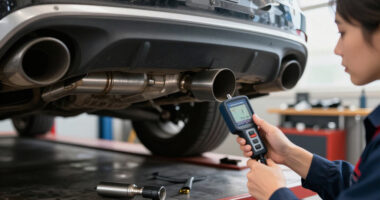
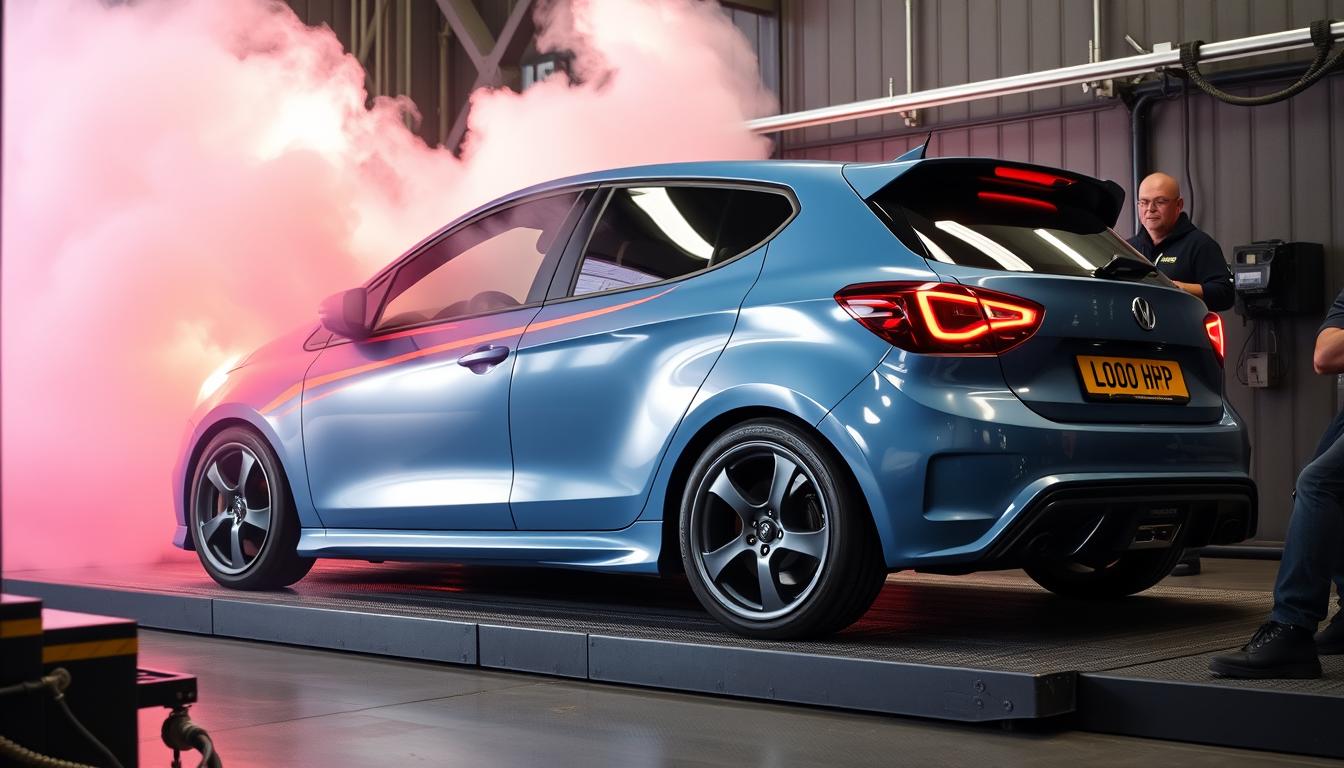
Dyno tuning offers a safer and more precise way to boost your engine’s horsepower compared to street tuning, which relies on unpredictable, real-world conditions. With a dyno, you can fine-tune your setup without risking engine damage from trial-and-error adjustments, ensuring better reliability and efficiency. Street tuning might seem convenient, but it’s less accurate and can lead to long-term issues. Keep going to uncover the full truth about achieving safe, effective horsepower gains.

Get business pricing on garage and car supplies
- Business-only prices and quantity discounts
- Tax-exempt purchasing
- Multiple users, one account, clear invoices
Key Takeaways
- Dyno tuning provides precise, controlled adjustments, reducing the risk of engine damage compared to unpredictable street tuning.
- It allows for accurate safety and performance verification, making ‘safe’ horsepower gains more reliable.
- Street tuning relies on real-world feedback, increasing the risk of improper air-fuel ratios and engine stress.
- Dyno tuning enhances engine efficiency and longevity by optimizing parameters in a safe, controlled environment.
- For safe, consistent horsepower improvements, professional dyno tuning is generally the superior and more reliable choice.

When it comes to optimizing your vehicle’s performance, choosing between dyno tuning and street tuning can be a crucial decision. Both methods aim to improve power, throttle response, and overall driving experience, but they do so in very different ways. Dyno tuning involves testing your car on a dynamometer, a machine that measures horsepower, torque, and other parameters under controlled conditions. This process allows you to fine-tune your engine’s settings precisely, guaranteeing peak performance without risking damage. Street tuning, on the other hand, involves making adjustments while driving your vehicle on actual roads, often relying on your senses and real-world feedback. While street tuning might seem more convenient, it can compromise engine reliability and fuel efficiency if not done carefully.
With dyno tuning, you benefit from a controlled environment that minimizes risks to your engine. Because the tuning is performed on a machine, you can avoid the unpredictability of road conditions, ensuring your engine operates safely within its limits. This precision helps maintain engine reliability, reducing the chance of knocking, overheating, or other issues caused by improper adjustment. Additionally, a properly tuned engine on the dyno tends to run more efficiently, improving fuel economy. The exact adjustments made during a dyno session optimize combustion processes and air-fuel ratios, which can lead to noticeable savings at the pump and more consistent performance over time. Moreover, energy-efficient tuning ensures that your modifications align with sustainable practices and reduce unnecessary emissions.
Dyno tuning offers a controlled environment that enhances engine reliability and efficiency through precise, safe adjustments.
Street tuning might seem appealing because it’s done in real-world conditions, but it introduces variables that can jeopardize your engine’s longevity. Uneven road surfaces, traffic, and unpredictable driving behavior make it difficult to achieve precise tuning, increasing the risk of running lean or rich mixtures. These imprecisions can lead to engine knocking, increased wear, and ultimately, poorer engine reliability. Furthermore, street tuning often involves trial and error, which can cause unnecessary stress on engine components and reduce fuel efficiency. Without the controlled environment of a dyno, it’s tougher to measure exact gains or ensure your modifications are truly safe and effective.
Ultimately, if you’re serious about reliable performance and maximizing fuel efficiency, dyno tuning offers a safer, more accurate approach. It allows you to push your vehicle’s potential without risking long-term damage. Street tuning may seem more straightforward, but it’s often less precise and can compromise engine health if not done properly. When aiming for ‘safe’ horsepower gains, investing in professional dyno tuning ensures your engine performs at its best, reliably and efficiently, for miles to come.
dynamometer engine tuning machine
As an affiliate, we earn on qualifying purchases.
As an affiliate, we earn on qualifying purchases.
Frequently Asked Questions
Can Street Tuning Damage My Engine Long-Term?
Street tuning can damage your engine long-term if safety isn’t prioritized. Poor tuning adjustments may cause increased engine wear, overheating, or knocking, which can lead to costly repairs. To protect your engine, guarantee your street tune is done carefully by professionals who prioritize tuning safety. Properly tuned engines run smoothly and safely, preventing long-term damage and maintaining ideal performance over time.
Is Dyno Tuning Suitable for All Car Models?
Dyno tuning isn’t suitable for all car models, especially if you’ve made significant aftermarket modifications. It allows precise calibration tailored to your vehicle, but some manufacturers’ warranties might be affected, so check your warranty implications first. If your car is newer or under warranty, consult your dealer before tuning. For older models or those with extensive mods, dyno tuning can optimize performance safely when done correctly.
How Often Should I Get My Car Tuned?
You should get your car tuned every 6 to 12 months. Studies show that frequent tuning helps maintain ideal performance and tuning safety. Regular adjustments prevent issues and keep your engine running smoothly. Keep in mind, over-tuning can impact your warranty, so consult your tuner about the best schedule. Staying proactive ensures your car remains reliable, safe, and performing at its best without risking warranty coverage.
What Are the Costs Associated With Each Tuning Method?
You’ll find that dyno tuning costs typically range from $500 to $1,000, offering precise adjustments but with higher initial expenses. Street tuning is usually more affordable, costing around $200 to $500, but might require more frequent visits due to less controlled conditions. Consider maintenance expenses too, as dyno tuning may reduce long-term costs by optimizing performance, while street tuning might lead to more wear and tear on your car over time.
Does Tuning Affect My Car’s Fuel Efficiency?
Tuning can dramatically impact your fuel economy, sometimes even turning your fuel efficiency into a rollercoaster ride. When you tune your car, you’re fundamentally reprogramming its brain, which can either skyrocket your MPG or leave it starving for fuel. The tuning impact depends on how aggressive your tune is—so if you want to save money at the pump, choose a tune that balances performance with efficiency.
Conclusion
Think of dyno tuning and street tuning like steering a river. Dyno tuning is your controlled boat ride, carefully adjusting your engine in a safe, predictable environment. Street tuning, on the other hand, is like paddling through unpredictable rapids—exciting but risky. To reach your destination safely and confidently, it’s best to start with a calm, measured approach. Remember, mastering the river first makes your ride smoother and more enjoyable, whether on the street or the dyno.
Halloween Picks
halloween
As an affiliate, we earn on qualifying purchases.