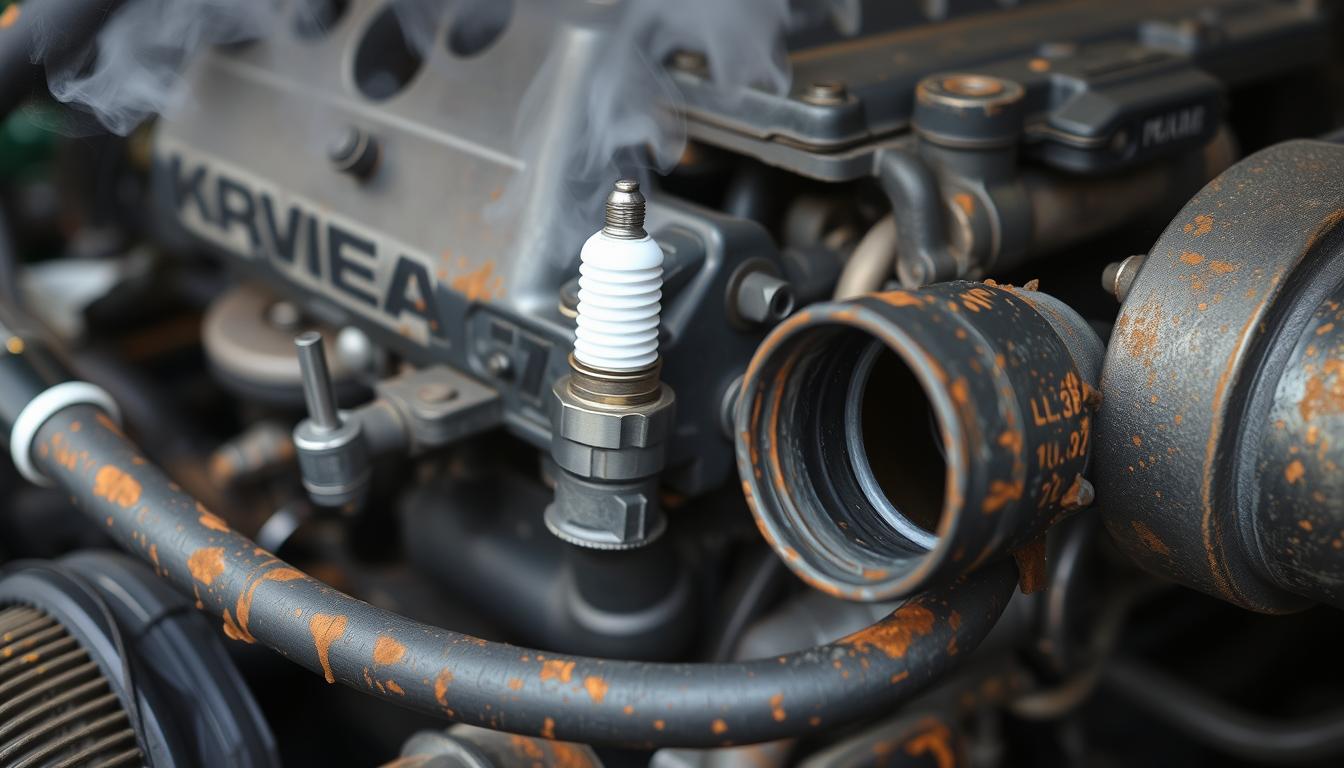
You’ll likely find supercharger kits feel better on the street because they provide immediate throttle response and a strong, visceral punch, making acceleration feel more responsive. Their direct drive spools quickly, reducing lag and delivering instant power, which enhances your driving experience especially during merging or city driving. Plus, the distinctive whine adds to the sporty feel. If you want to understand why these qualities matter most for everyday driving, there’s more to discover ahead.

Get business pricing on garage and car supplies
- Business-only prices and quantity discounts
- Tax-exempt purchasing
- Multiple users, one account, clear invoices
Key Takeaways
- Superchargers provide instant throttle response without lag, making them feel more responsive in street driving.
- Their direct belt-driven design ensures quicker power delivery, enhancing on-road acceleration feel.
- The distinctive whine of superchargers adds an engaging auditory experience for street enthusiasts.
- Superchargers maintain consistent power delivery during rapid throttle changes, improving street drivability.
- Turbo lag causes delayed power response, making turbos feel less immediate and responsive on the street.

When it comes to upgrading your car’s performance, you might notice that some supercharger kits deliver a more immediate and responsive feel on the street compared to turbo kits. Superchargers are driven directly by your engine through a belt, which means they spool up quickly and give you instant power. This immediate boost creates a sensation of responsiveness that’s hard to match, especially when you’re merging onto highways or accelerating in city traffic. Turbo kits, on the other hand, rely on exhaust gases to spin a turbine, which takes a moment to build up enough pressure, leading to a slight delay known as turbo lag. That delay can make the car feel less eager and more sluggish when you’re trying to respond swiftly. Additionally, engine response is often more immediate with superchargers because of their direct drive mechanism. Fuel efficiency is another factor where superchargers often hold an edge, at least in certain applications. Because superchargers provide boost directly linked to engine RPM, they can be tuned for more predictable fuel consumption during everyday driving. While superchargers tend to consume more power from the engine—potentially reducing overall fuel efficiency—they often offer a more consistent and efficient power delivery curve. Turbo kits, however, can be more fuel-efficient at steady cruising speeds because they utilize exhaust gases, which are otherwise wasted, to generate boost. But during aggressive driving, turbos may require more complex tuning to balance power with fuel economy, and if not properly tuned, they can lead to higher fuel consumption. Furthermore, advancements in turbocharger technology have improved their responsiveness and efficiency, making them a popular choice among performance enthusiasts. Modern turbo designs now feature quick-spool characteristics that reduce turbo lag and enhance street drivability. The development of intercoolers has also contributed to better performance by cooling the compressed air, which improves power and reliability. Moreover, innovations in turbocharging systems aim to further minimize lag and maximize efficiency, making turbos more attractive for everyday use. Noise levels are a crucial aspect when considering how a supercharger kit feels on the street. Superchargers are known for producing a distinctive whine or whirr, which many enthusiasts find appealing and sporty. This noise can add to the driving experience, making every acceleration feel more visceral. Turbo kits tend to operate more quietly because they don’t have a belt-driven mechanism and are more isolated from the engine bay’s noise. However, turbochargers sometimes produce a different kind of noise—an audible spool or whistle—that can also be exciting but might be less noticeable or less intrusive in everyday driving. Ultimately, the choice between supercharger and turbo kits depends on what you value most—immediate responsiveness, consistent fuel efficiency, or a quieter ride. Superchargers tend to give you that instant punch and a satisfying sound, making them feel better on the street if you want quick throttle response and an engaging auditory experience.
As an affiliate, we earn on qualifying purchases.
Frequently Asked Questions
Do Supercharger Kits Impact Fuel Economy More Than Turbo Kits?
Supercharger kits generally impact fuel efficiency more than turbo kits because they provide instant power delivery, which encourages heavier throttle use, reducing fuel economy. Turbo kits, on the other hand, often boost efficiency by leveraging exhaust gases, allowing for more controlled power. If you’re looking for balanced power and better fuel efficiency, a turbo kit might be a smarter choice, whereas superchargers tend to prioritize immediate performance over economy.
Are Superchargers More Reliable for Daily Street Driving?
You might find superchargers more reliable for daily driving because they tend to have better supercharger longevity with less maintenance needed over time, unlike turbo kits which often require more frequent turbo maintenance due to higher heat and pressure. Superchargers deliver instant throttle response, making them feel more responsive on the street. However, they can be more demanding on your engine, so proper installation and regular checks are essential for long-term reliability.
How Does Noise Level Differ Between Supercharger and Turbo Setups?
Supercharger setups tend to be louder, with higher sound levels and a distinct whine that’s noticeable during acceleration. Turbo kits generally produce a quieter operation, thanks to the exhaust system muffling noise and the absence of direct belt-driven sounds. The noise comparison shows that superchargers create more engine noise, which some enthusiasts enjoy for the sporty feel, while others prefer the quieter, more refined sound of turbocharged engines.
Which Kit Has Easier Installation for Amateurs?
Supercharger kits are generally easier for amateurs to install because of their simpler installation complexity. They often come as a complete, bolt-on system that requires fewer modifications to your engine. Turbo kits, on the other hand, tend to be more complicated with additional components like intercoolers and exhaust piping. If you’re new to car mods, a supercharger kit is usually more amateurs friendly, making the upgrade more manageable and less time-consuming.
Can Superchargers Cause More Engine Wear Than Turbos?
Superchargers can potentially cause more engine wear than turbos if not properly maintained, mainly due to increased stress and heat. This affects engine longevity, making regular maintenance frequency vital. You need to monitor oil levels, check for leaks, and guarantee the supercharger’s components stay in good condition. Proper upkeep helps mitigate wear and keeps your engine running smoothly, extending its lifespan despite the added power.
Conclusion
In the end, supercharger kits are like a roaring lion, ready to pounce with immediate power and relentless grip, making every street ride feel exhilarating. Turbo kits, on the other hand, are more like a sly fox, patiently building momentum before striking. If you crave that instant thrill, superchargers are your fiery heartbeat, turning every drive into a wild adventure, where the thrill hits you like a lightning bolt—sharp, sudden, unforgettable.
Fall Picks
fall essentials
As an affiliate, we earn on qualifying purchases.