
Your tire’s load index shows how much weight it can support when properly inflated, while the speed rating indicates the maximum safe driving speed. Ignoring these numbers can lead to tire failure, uneven wear, or even accidents. Choosing the right combination ensures safety, durability, and ideal performance. If you want to understand how to match these ratings to your vehicle’s needs, keep exploring—you’ll find valuable tips to keep you safe on the road.

Get garage and car supplies delivered free — and shop member deals
- Fast, free delivery on millions of items
- Access to Prime Big Deal Days deals on October 6–7
- Prime Video, Amazon Music and more included
Key Takeaways
- Load index indicates the maximum weight a tire can safely support when properly inflated.
- Speed rating shows the maximum safe driving speed for a tire without risking damage.
- Ignoring load and speed ratings can lead to tire failure, blowouts, or uneven wear.
- Matching tire ratings with vehicle specifications ensures optimal safety and tire longevity.
- Properly rated tires maintain vehicle stability, prevent accidents, and enhance overall driving performance.
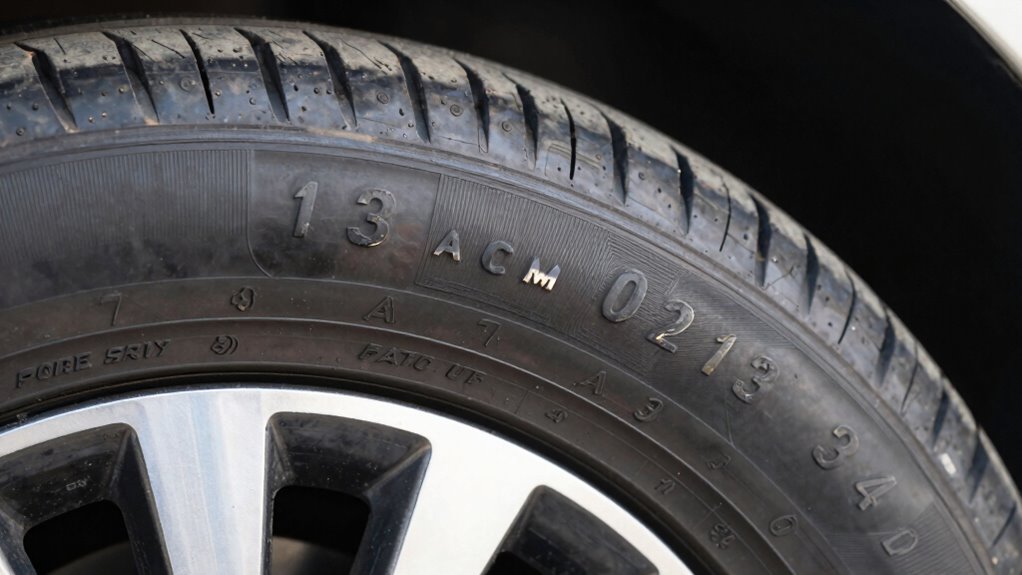
Understanding tire load index and speed rating is essential for ensuring your vehicle’s safety and performance. These numbers and letters are more than just markings on your tires; they directly influence tire durability and driving safety. When you select tires, paying attention to these ratings helps you make informed decisions that keep you safe on the road and extend the lifespan of your tires.
Understanding tire load and speed ratings is key to safe, durable driving.
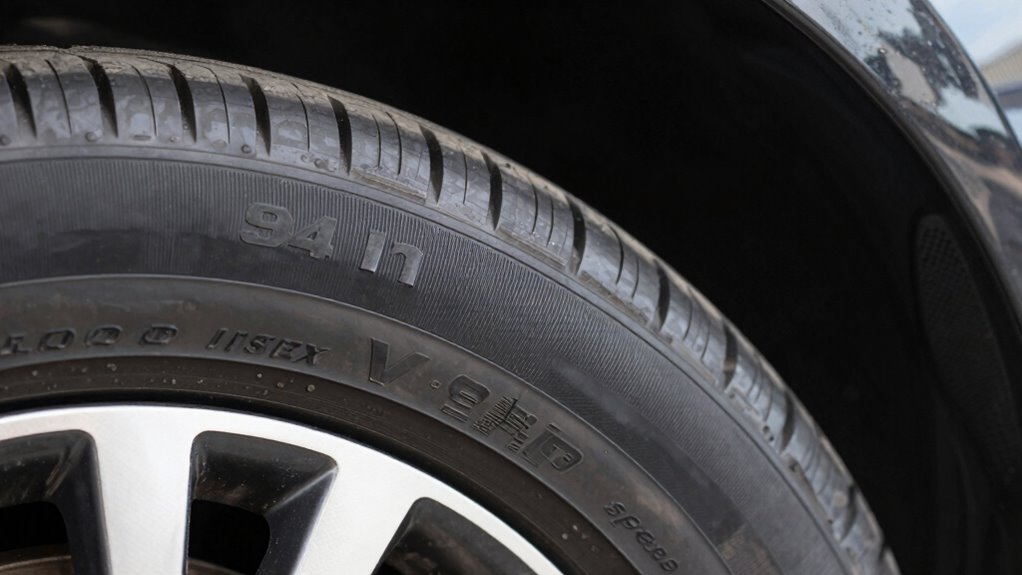
The load index indicates the maximum weight your tire can support when properly inflated. Ignoring this number can lead to serious issues, like tire failure or uneven wear, especially if you often carry heavy loads or drive with multiple passengers. Choosing tires with an adequate load index ensures your tires can handle your typical driving conditions, which in turn boosts tire durability. Properly rated tires resist damage and maintain their shape under stress, reducing the risk of blowouts or premature wear. This not only prolongs the life of your tires but also keeps you safer by minimizing the chance of accidents caused by tire failure. Additionally, understanding tire load capacity helps you select the right tires for your vehicle’s specific needs.
Speed rating, on the other hand, tells you the maximum speed your tire can sustain safely over time. It’s crucial to match this rating with your typical driving habits. For example, if you frequently drive on highways or enjoy spirited driving, selecting tires with a higher speed rating ensures your tires can handle those speeds without compromising safety. Conversely, using a tire with a lower speed rating than your vehicle requires can cause overheating, loss of traction, or even tire blowouts, all of which threaten your driving safety. Maintaining the appropriate speed rating helps keep your tires performing optimally, especially during high-speed driving, and prevents premature wear that can diminish tire durability.
Combining the right load index and speed rating is vital for optimal tire performance. If these ratings don’t align with your vehicle’s specifications, you risk compromising safety and tire longevity. Always check your vehicle’s owner manual or the tire placard inside the door to find the recommended ratings. Matching these ratings ensures you’re getting the right tires for your driving style and load requirements, which ultimately enhances your driving safety and preserves tire durability.
load index and speed rating tires
As an affiliate, we earn on qualifying purchases.
As an affiliate, we earn on qualifying purchases.
Frequently Asked Questions
Can Tire Load Index Affect Fuel Efficiency?
Yes, your tire load index can affect fuel efficiency. When your tires have a higher load capacity than necessary, they may experience increased rolling resistance, which can reduce fuel economy. Conversely, choosing tires with an appropriate load index helps optimize tire longevity and maintains proper performance. Ensuring your tires match your vehicle’s load requirements prevents unnecessary strain, ultimately saving you fuel and extending the life of your tires.
How Do Speed Ratings Impact Driving in Rain or Snow?
Think of speed ratings as the compass guiding your journey through rain and snow. Higher-rated tires often provide better tire traction and responsive braking performance, helping you stay stable in challenging conditions. However, pushing beyond the recommended speed can compromise safety. Always match your tire’s speed rating to your driving habits and weather, ensuring you maintain control and confidence on slippery roads.
Are Higher Load Index Tires More Expensive?
Yes, higher load index tires tend to be more expensive because they offer greater wheel durability and can handle heavier loads. This added durability often means better ride comfort and longer-lasting tires, but it also increases production costs. You might pay more upfront, but you’re investing in tires that perform well under heavy loads, ensuring safety and reliability for demanding driving conditions.
Can I Mix Different Load Indexes on the Same Vehicle?
You shouldn’t mix different load indexes on your vehicle because it affects tire compatibility and safety. Using tires with varying load capacities can lead to uneven wear, compromised handling, and potential damage. Always stick to the recommended load capacity limitations specified by your vehicle manufacturer. If you need to replace one tire, ensure all tires have matching load indexes to maintain ideal performance and safety.
What Happens if I Choose a Lower Speed Rating?
A word to the wise: don’t gamble with safety. Choosing a lower speed rating than recommended can compromise your tire’s performance, especially at high speeds. It affects handling, cornering, and braking, increasing the risk of blowouts or accidents. Always follow your vehicle manufacturer’s guidelines. Ignoring speed rating implications puts you and others in danger, so prioritize safety considerations over cost or convenience.
Conclusion
Understanding load index and speed rating isn’t just about numbers—it’s your ticket to safer, smoother drives. Think of these ratings as the secret language your tires speak, guiding you to make smarter choices on the road. Ignoring them is like ignoring the map in unfamiliar territory. So, next time you check your tires, remember: these numbers are your vehicle’s heartbeat, keeping you safe and confident on every mile. Don’t let your journey be a gamble—know your tires.
Halloween Picks
halloween
As an affiliate, we earn on qualifying purchases.