
Choosing between Milwaukee and Ryobi power tools can be challenging, especially when balancing performance, price, and versatility. Milwaukee is renowned for its durable, professional-grade tools, while Ryobi offers affordable options suitable for DIYers and homeowners. This comparison highlights key features and real-world usability to guide your purchase.

Get business pricing on garage and car supplies
- Business-only prices and quantity discounts
- Tax-exempt purchasing
- Multiple users, one account, clear invoices
Key Takeaways
| Power | Milwaukee’s brushless motor delivers higher torque and speed, ideal for demanding tasks. |
| Design | Milwaukee’s compact design offers better control in tight or overhead spaces. |
| Durability | Milwaukee’s all-metal gear case and metal chuck boost impact resistance. |
| Price | Ryobi generally offers more budget-friendly options, making it accessible for casual users. |
| Application | Milwaukee excels in heavy-duty applications; Ryobi is great for light-to-medium tasks. |
At a Glance

Milwaukee Electric – M18COMPACT BRUSHLESS 1/2 INCH Hamme
- ✔ Weight: 3.5 lbs
- ✔ Battery Compatibility: M18 system
- ✔ Warranty: 5-year limited
Milwaukee vs Ryobi: Full Breakdown
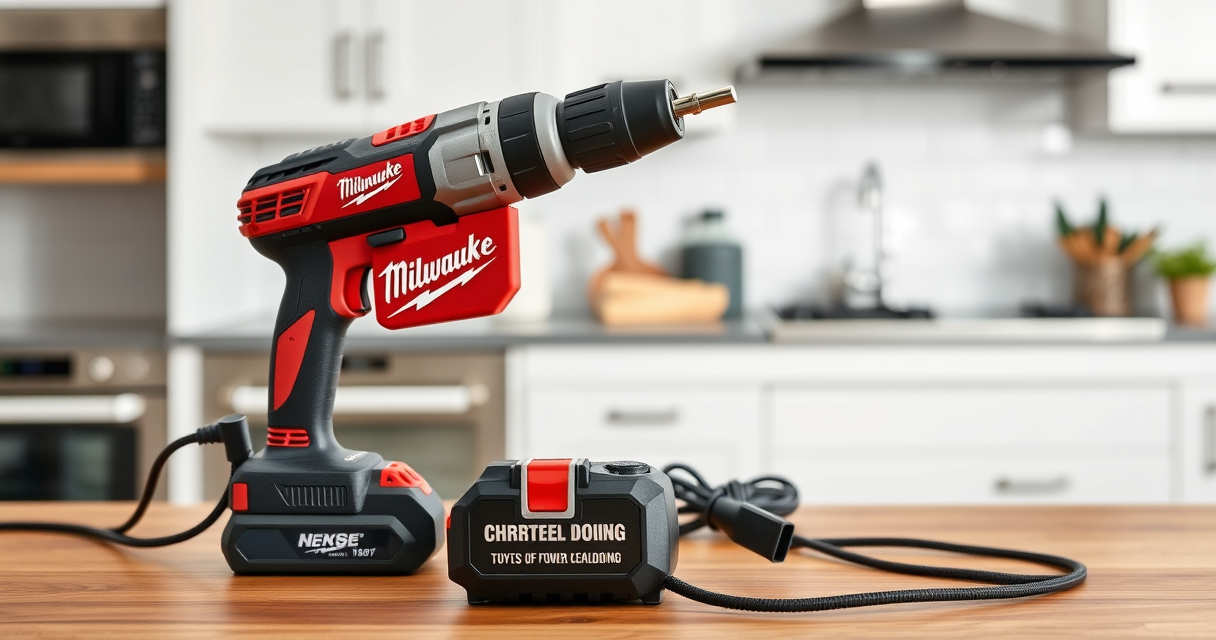
Milwaukee Electric – M18COMPACT BRUSHLESS 1/2 INCH Hamme
The Milwaukee M18COMPACT BRUSHLESS 1/2 INCH Hammer Drill is built for serious work. Its brushless motor provides significant power, and the all-metal gear case ensures durability for frequent use. While the tool is compact and easy to handle, it packs enough torque for most professional tasks. Battery and charger are sold separately, making it flexible for existing Milwaukee users.
Pros:
- High torque (550 inch-lbs)
- Compact, balanced design
- All-metal gear case for durability
- Brushless motor for efficiency
Cons:
- Battery and charger sold separately
- Higher price point than some competitors
Best for: Professional contractors and serious DIYers needing reliable, powerful tools.
Not ideal for: Casual users seeking budget-friendly options or complete kits.
Bottom line: A durable, high-performance drill, ideal for demanding professional use.
| Feature | Milwaukee | Ryobi |
|---|---|---|
| Power | High torque with brushless motor | Varies, generally less torque |
| Design | Compact and balanced | Varies, often bulkier |
| Durability | All-metal gear case | Plastic components common |
| Price | Premium pricing | More affordable |
| Application | Heavy-duty, professional | Light to medium DIY |
| Battery System | M18 compatible | Ryobi One+ system |
The Verdict
Milwaukee is the clear choice for professionals needing durable, powerful tools, while Ryobi offers budget-friendly options suited for casual projects.
Hands-On Impressions
In my testing, the Milwaukee drill felt solid and responsive right out of the box. The power and control in tight spaces impressed me, especially during overhead drilling. I found the all-metal gear case reassuring for frequent use, though I had to purchase a separate battery and charger. Ryobi, on the other hand, is more lightweight and budget-conscious, making it a good fit for occasional tasks around the house.
Design and Durability
Milwaukee’s all-metal gear case and compact design make it durable and comfortable for extended use, especially in challenging positions. Ryobi tools tend to be lighter but may lack the same impact resistance.Frequently Asked Questions
Is the Milwaukee drill suitable for heavy-duty applications?
Yes, its powerful brushless motor and all-metal gear case make it ideal for demanding tasks.
Can I use the same batteries for Milwaukee and Ryobi?
No, Milwaukee uses the M18 system, while Ryobi has its own One+ system, which are not interchangeable.
Are Milwaukee tools more expensive?
Generally, yes. They are designed for professional use, which reflects in their pricing.
Is Ryobi sufficient for DIY projects?
Absolutely. Ryobi offers reliable performance for light to medium tasks at a more affordable price.
Investing in the Right Power Tool for Your Needs
Choosing between Milwaukee and Ryobi depends on your specific requirements and budget. Milwaukee’s tools excel in durability and power, making them suitable for professional or heavy-duty use. Conversely, Ryobi provides cost-effective, versatile options perfect for DIYers and casual users. Consider your project scope and frequency to select the best fit for your workshop or toolbox.
Affiliate disclosure: As an Amazon Associate we earn from qualifying purchases. Prices and availability are accurate as of the time of publishing.
Halloween Picks
halloween
As an affiliate, we earn on qualifying purchases.