For anyone interested in a career in automotive technology, choosing the right college is essential. The best automotive colleges combine hands-on training with strong industry connections, preparing students for real-world challenges. Automotive Engines: Diagnosis and Rebuilding stands out as the top overall choice for its comprehensive curriculum, while Modern Automotive Technology offers cutting-edge insights for tech-savvy students. The main tradeoffs often involve balancing cost, depth of specialization, and proximity to industry hubs. Continue reading to see our detailed breakdown of the top programs and how they compare for different needs.

Get business pricing on garage and car supplies
- Business-only prices and quantity discounts
- Tax-exempt purchasing
- Multiple users, one account, clear invoices
Complete the kit


Key Takeaways
- The most well-rounded automotive colleges offer a blend of theoretical knowledge and hands-on experience.
- Specialized programs like collision repair or electrical systems tend to be more industry-focused, often at a higher cost.
- Cost and location significantly influence the value and convenience of each college, impacting accessibility.
- Top-rated programs frequently have partnerships with automotive brands and repair shops, offering better internship opportunities.
- The best choices differ based on whether the student is a beginner, seeking advanced certifications, or aiming for industry roles.
| Automotive Engines: Theory and Servicing (8th Edition) |  | Best for In-Depth Engine Knowledge | Edition: 8th Edition | Focus Area: Engine Theory and Servicing | Target Audience: Students and Professionals | VIEW ON AMAZON | See Our Full Breakdown |
| Automotive Vehicle Strategies and ECM Modes (Diagnostic Strategies of Modern Automotive Systems Book 5) |  | Best for Advanced Diagnostic Techniques | Focus: ECM Modes and Diagnostics | Intended Audience: Advanced Technicians and Enthusiasts | Content Depth: Highly Specialized | VIEW ON AMAZON | See Our Full Breakdown |
| Modern Automotive Technology |  | Best for Staying Current with Vehicle Innovations | Coverage: Latest Automotive Technologies | Audience: Students, Professionals, Enthusiasts | Content Type: Theoretical and Conceptual | VIEW ON AMAZON | See Our Full Breakdown |
| I-Car Professional Automotive Collision Repair |  | Best for Collision Repair Professionals | Focus: Collision Repair Techniques | Intended Audience: Technicians and Repair Shops | Content Type: Technical Procedures and Standards | VIEW ON AMAZON | See Our Full Breakdown |
| Introduction to Automotive Service |  | Best for Beginners and Entry-Level Technicians | Coverage: Fundamental Concepts | Target Audience: Beginners and Students | Focus: Practical Skills and Basic Theories | VIEW ON AMAZON | See Our Full Breakdown |
| Automotive Engines: Diagnosis, Repair, Rebuilding |  | Best for Practical Engine Rebuilding and Diagnosis | Coverage: Engine diagnosis, repair, rebuilding | Target Audience: Students and professionals | Practical Focus: Yes | VIEW ON AMAZON | See Our Full Breakdown |
| Modern Automotive Technology |  | Best for Cutting-Edge Automotive Systems and Innovations | Coverage: Modern automotive systems | Audience: Students and professionals | Technology Focus: Electronic systems, diagnostics | VIEW ON AMAZON | See Our Full Breakdown |
| Fundamentals of Automotive Technology |  | Best for Beginners and Broad Automotive Concepts | Coverage: Automotive concepts and systems | Audience: Beginners and students | Depth: Introductory | VIEW ON AMAZON | See Our Full Breakdown |
| Automotive Chassis Systems | 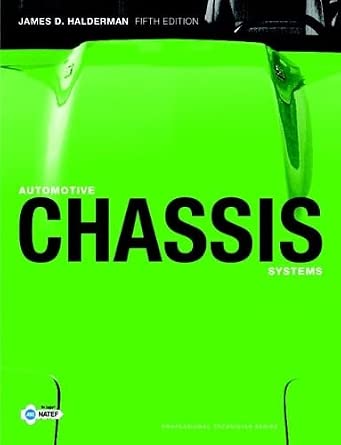 | Best for Technical Chassis Knowledge and Maintenance | Coverage: Chassis design, components, maintenance | Audience: Students and professionals | Technical Level: Advanced | VIEW ON AMAZON | See Our Full Breakdown |
| Automotive Heating and Air Conditioning |  | Best for Vehicle Climate Control and Comfort | Coverage: Heating, air conditioning systems | Audience: HVAC-focused automotive technicians | Specialization: Vehicle climate control | VIEW ON AMAZON | See Our Full Breakdown |
| Fundamentals of Automotive Technology |  | Best for Foundational Knowledge | Coverage: Automotive systems and maintenance | Target Audience: Students and entry-level technicians | Format: Print with illustrations | VIEW ON AMAZON | See Our Full Breakdown |
| Diagnosis and Troubleshooting of Automotive Electrical, Electronic, and Computer Systems |  | Best for Diagnostic Skills Enhancement | Coverage: Electrical, electronic, and computer systems | Target Audience: Students and technicians focusing on diagnostics | Format: Print with practical troubleshooting techniques | VIEW ON AMAZON | See Our Full Breakdown |
| automotive college | Coverage |
|---|---|
| Automotive Engines: Theory and | — |
| Automotive Vehicle Strategies | — |
| Modern Automotive Technology | Latest Automotive Technologies |
| I-Car Professional Automotive | — |
| Introduction to Automotive Ser | Fundamental Concepts |
| Automotive Engines: Diagnosis | Engine diagnosis, repair, rebuilding |
| Modern Automotive Technology | Modern automotive systems |
| Fundamentals of Automotive Tec | Automotive concepts and systems |
| Automotive Chassis Systems | Chassis design, components, maintenance |
| Automotive Heating and Air Con | Heating, air conditioning systems |
| Fundamentals of Automotive Tec | Automotive systems and maintenance |
| Diagnosis and Troubleshooting | Electrical, electronic, and computer systems |
More Details on Our Top Picks
Automotive Engines: Theory and Servicing (8th Edition)
This book stands out for its comprehensive coverage of engine theory and servicing techniques, making it ideal for both students and seasoned professionals. Compared to Introduction to Automotive Service, which offers broader basics, this text dives deep into engine systems, providing detailed insights on maintenance practices. However, it lacks multimedia content and the latest edition updates, which could limit interactive learning or current relevance. This pick makes the most sense for those who want a thorough understanding of engine mechanics and are comfortable with traditional textbook formats. Key features include:
- Coverage of engine theory and troubleshooting
- Updated servicing techniques
- Suitable for students and professionals
- No multimedia or interactive features
- Limited information on edition updates
Pros:- Comprehensive coverage of engine theory
- Suitable for both students and professionals
- Includes latest servicing techniques
Cons:- No multimedia or digital content
- Limited updates on recent edition changes
Best for: Students and automotive professionals seeking detailed engine knowledge
Not ideal for: Beginners who need basic concepts or interactive content
- Edition:8th Edition
- Focus Area:Engine Theory and Servicing
- Target Audience:Students and Professionals
Our verdict“This book is best for learners who want a deep understanding of engine systems and maintenance practices.”
Automotive Vehicle Strategies and ECM Modes (Diagnostic Strategies of Modern Automotive Systems Book 5)
This title excels at explaining ECM modes and troubleshooting strategies for modern vehicles, making it a crucial resource for experienced technicians and automotive enthusiasts. Unlike Introduction to Automotive Service, which covers broad fundamentals, this book zeroes in on diagnostic strategies that are essential for modern vehicle repair. Its detailed insights into ECM modes can significantly improve troubleshooting efficiency, although the absence of customer ratings and price info makes gauging value difficult. This pick makes the most sense for those who need targeted diagnostic expertise rather than general automotive knowledge. Key features include:
- In-depth ECM mode analysis
- Detailed troubleshooting strategies
- Designed for technicians and enthusiasts
- No pricing details available
- No customer ratings to assess popularity
Pros:- Focus on ECM modes and diagnostics
- Provides detailed troubleshooting insights
- Ideal for advanced users
Cons:- No price or rating information
- Specialized content may be overwhelming for novices
Best for: Experienced automotive technicians and advanced enthusiasts
Not ideal for: Beginners or those seeking a broad automotive overview
- Focus:ECM Modes and Diagnostics
- Intended Audience:Advanced Technicians and Enthusiasts
- Content Depth:Highly Specialized
Our verdict“This book is best suited for professionals needing detailed ECM diagnostic strategies and troubleshooting techniques.”
Modern Automotive Technology
This comprehensive guide provides up-to-date information on the latest automotive advancements, making it ideal for students, professionals, and enthusiasts wanting to stay current. Unlike Automotive Engines: Theory and Servicing, which focuses more on mechanics, this book emphasizes modern vehicle systems and innovations, including electronics and new materials. Its broad scope benefits those interested in future trends but is limited by a lack of detailed specifications or customer feedback, making it less suitable for in-depth technical reference. This choice makes the most sense for learners who need a broad overview of emerging automotive technologies. Key features include:
- Coverage of recent technological advancements
- Suitable for a diverse audience
- Focus on innovations in vehicle systems
- No detailed specifications or features listed
- No customer reviews or ratings available
Pros:- Provides current info on automotive tech
- Accessible to students and professionals
- Covers a wide range of modern systems
Cons:- Lacks detailed specs or features
- No user reviews or ratings available
Best for: Students and professionals interested in modern vehicle innovations
Not ideal for: Those seeking detailed technical procedures or hands-on repair guidance
- Coverage:Latest Automotive Technologies
- Audience:Students, Professionals, Enthusiasts
- Content Type:Theoretical and Conceptual
Our verdict“This book is ideal for readers needing a broad understanding of emerging automotive technologies without technical depth.”
I-Car Professional Automotive Collision Repair
This guide offers comprehensive collision repair techniques and standards, making it essential for repair shops aiming to improve quality and efficiency. Compared with Automotive Engines: Theory and Servicing, which focuses on engine maintenance, this book targets a different skill set—collision repair. Its detailed techniques help ensure professional standards, but the lack of specific product details or user reviews diminishes confidence in its practical applicability. It’s best suited for experienced technicians seeking to refine their collision repair skills. Key features include:
- Extensive collision repair techniques
- Focus on industry standards
- Valuable for repair shops and technicians
- No detailed product features or specifications
- No user reviews or ratings available
Pros:- Comprehensive collision repair techniques
- Aligns with industry standards
- Valuable resource for professional development
Cons:- Lacks detailed product features
- No customer ratings or reviews
Best for: Collision repair technicians and repair shop managers
Not ideal for: Technicians focused solely on engine or electrical systems, or beginners
- Focus:Collision Repair Techniques
- Intended Audience:Technicians and Repair Shops
- Content Type:Technical Procedures and Standards
Our verdict“This guide is best for collision repair professionals seeking to elevate their repair quality and standards.”
Introduction to Automotive Service
This comprehensive book offers a solid foundation in automotive service basics, making it ideal for students and entry-level technicians. Unlike Automotive Engines: Theory and Servicing, which dives deep into engine specifics, this text covers a broad range of fundamental topics, ensuring a well-rounded introduction. Its inclusion of practical skills helps build confidence in new technicians, but its lack of detailed specifications or edition updates may limit its usefulness for advanced learners. This pick makes sense for newcomers needing a clear, practical overview of automotive servicing. Key features include:
- Comprehensive coverage of basic concepts
- Focus on practical skills
- Suitable for students and beginners
- No specific edition or latest updates
- Lacks detailed technical specifications
Pros:- Broad coverage of fundamental topics
- Includes practical skills
- Ideal for entry-level learners
Cons:- No detailed specifications or edition info
- Limited depth for advanced learners
Best for: Beginners and students new to automotive technology
Not ideal for: Experienced technicians seeking advanced or specialized knowledge
- Coverage:Fundamental Concepts
- Target Audience:Beginners and Students
- Focus:Practical Skills and Basic Theories
Our verdict“This book is perfect for beginners seeking a clear, practical introduction to automotive service fundamentals.”
Automotive Engines: Diagnosis, Repair, Rebuilding
This book stands out for its detailed guidance on diagnosing and rebuilding engines, making it ideal for those who want hands-on skills beyond theoretical knowledge. Compared with Fundamentals of Automotive Technology, which offers a broader overview, this title dives deep into engine-specific techniques, providing more practical rebuilding methods. However, it lacks recent editions or supplementary materials, which could be a drawback for those seeking the latest updates. Its focus on practical repair techniques makes it especially valuable for technicians aiming to refine their engine overhaul skills, though beginners might find it overly technical without prior foundational knowledge.
Pros:- In-depth coverage of engine diagnosis and repair techniques
- Suitable for both students and seasoned professionals
- Includes practical rebuilding procedures
Cons:- No recent edition or publication date noted, possibly missing latest updates
- Lacks supplementary materials or online resources for further learning
Best for: Experienced automotive students or professionals focusing on engine repair and rebuilding
Not ideal for: Beginners or those seeking a broad automotive overview, due to its technical depth
- Coverage:Engine diagnosis, repair, rebuilding
- Target Audience:Students and professionals
- Practical Focus:Yes
- Edition Info:Not specified
- Supplementary Materials:None
- Language:English
Our verdict“This book is best suited for technicians and students looking for detailed engine troubleshooting and rebuilding guidance.”
Modern Automotive Technology
This book makes the most sense for professionals and students wanting to stay current with the latest automotive advancements, covering modern systems and diagnostics in detail. Unlike Automotive Engines: Diagnosis, Repair, Rebuilding, which concentrates on engines, this title emphasizes the newest vehicle technologies and electronic systems, offering a broader view of modern vehicle repair. Its comprehensive scope on diagnostics and repair of contemporary systems makes it essential for those working on newer models. However, the lack of detailed specifications and absence of customer reviews means potential buyers might need to seek additional resources for specific repair procedures.
Pros:- Extensive coverage of modern automotive systems
- Ideal for staying current with automotive innovations
- Includes diagnostics and repair techniques for new vehicle technologies
Cons:- Lacks detailed specifications or technical depth
- No available customer reviews or pricing info
Best for: Automotive students and professionals focused on the latest vehicle technologies and electronic systems
Not ideal for: Technicians needing in-depth engine rebuilding techniques or practical repair procedures
- Coverage:Modern automotive systems
- Audience:Students and professionals
- Technology Focus:Electronic systems, diagnostics
- Edition Info:Not specified
- Additional Resources:None
- Language:English
Our verdict“This book is perfect for those needing an up-to-date overview of modern vehicle systems and diagnostics.”
Fundamentals of Automotive Technology
This book offers a solid foundation in automotive technology, covering essential concepts suitable for students and new professionals. Compared with Automotive Engines: Diagnosis, Repair, Rebuilding, which is highly technical, this title provides a more accessible entry point into automotive systems, making it ideal for those just starting out. However, it shares the common downside of lacking detailed specifications and customer reviews, which might leave some learners wanting more in-depth or updated content. Its comprehensive overview makes it a good starting point, but advanced technicians may need supplementary resources for complex topics.
Pros:- Comprehensive coverage of automotive concepts
- Suitable for beginners and students
- Clear explanations of systems and maintenance
Cons:- Lacks detailed specifications or recent updates
- No customer reviews or supplementary online content
Best for: Beginners or students new to automotive technology needing a foundational resource
Not ideal for: Experienced professionals or those seeking advanced or specialized technical details
- Coverage:Automotive concepts and systems
- Audience:Beginners and students
- Depth:Introductory
- Edition Info:Not specified
- Supplementary Materials:None
- Language:English
Our verdict“This book serves as an excellent introductory guide for newcomers to automotive technology.”
Automotive Chassis Systems
This book offers an in-depth look at chassis design, components, and maintenance, making it ideal for students and professionals seeking detailed technical understanding. When compared to Automotive Engines: Diagnosis, Repair, Rebuilding or Fundamentals of Automotive Technology, which cover broader systems, this pick specializes in chassis, providing a focused resource. The absence of practical examples or illustrations might limit its usefulness for hands-on learners, but its comprehensive technical content makes it a strong resource for those needing in-depth chassis knowledge. Its lack of recent updates could be a concern for the latest vehicle applications.
Pros:- Comprehensive coverage of chassis systems
- Detailed technical information
- Suitable for advanced students and professionals
Cons:- Lacks practical examples or illustrations
- No mention of recent updates or editions
Best for: Automotive students and professionals focusing on chassis design and maintenance
Not ideal for: Beginners or those seeking a general overview of automotive systems
- Coverage:Chassis design, components, maintenance
- Audience:Students and professionals
- Technical Level:Advanced
- Edition Info:Not specified
- Practical Content:Limited
- Language:English
Our verdict“This book is best suited for those needing an in-depth understanding of chassis systems and maintenance.”
Automotive Heating and Air Conditioning
This book focuses on vehicle heating and air conditioning systems, making it a targeted resource for automotive climate control technicians. It excels in explaining how to maintain and repair HVAC systems, which is a niche but vital area. Compared with the other titles, which concentrate more on engine or chassis systems, this pick offers specialized knowledge for comfort systems. Its lack of detailed features and absence of customer reviews could be a limitation for buyers wanting a comprehensive or highly detailed guide, but it’s a solid choice for technicians specializing in climate control.
Pros:- Enhances vehicle comfort through HVAC expertise
- Specialized focus on climate control systems
- Suitable for automotive climate technicians
Cons:- Lacks detailed features or technical specifications
- No customer reviews or recent updates available
Best for: Automotive service technicians and students specializing in vehicle climate systems
Not ideal for: General automotive technicians or those seeking a broad overview of automotive systems
- Coverage:Heating, air conditioning systems
- Audience:HVAC-focused automotive technicians
- Specialization:Vehicle climate control
- Edition Info:Not specified
- Additional Content:None
- Language:English
Our verdict“This book is a practical resource for technicians focusing on vehicle heating and air conditioning systems.”
Fundamentals of Automotive Technology
This book stands out for its comprehensive coverage of automotive systems, making it an excellent resource for students starting their journey in automotive technology or professionals seeking a solid refresher. Compared with the more specialized Diagnosis and Troubleshooting of Automotive Electrical, Electronic, and Computer Systems, this title offers broader explanations suitable for beginners and those needing a holistic overview. Its clear illustrations and straightforward explanations help demystify complex concepts, but it lacks digital content or interactive features that some learners might find beneficial. The absence of recent edition updates could also limit its relevance for the latest vehicle technologies.
Pros:- Comprehensive coverage of automotive systems
- Suitable for both students and professionals
- Clear explanations and illustrations
Cons:- No additional digital features or online content
- Limited information on edition or publisher updates
- Less detail on recent vehicle technology advancements
Best for: Students in introductory automotive courses or entry-level technicians wanting a broad foundational understanding
Not ideal for: Advanced technicians or professionals looking for detailed troubleshooting guides or up-to-date digital content
- Coverage:Automotive systems and maintenance
- Target Audience:Students and entry-level technicians
- Format:Print with illustrations
- Edition:Latest edition not specified
- Digital Content:Not included
- Publisher:Unspecified
Our verdict“This book makes the most sense for newcomers seeking a thorough introduction to automotive systems without requiring digital supplements.”
Diagnosis and Troubleshooting of Automotive Electrical, Electronic, and Computer Systems
This book excels at providing detailed guidance on diagnosing complex electrical and electronic issues, making it a strong companion for technicians aiming to sharpen troubleshooting abilities. Unlike the broader Fundamentals of Automotive Technology, this resource dives into specific diagnostic techniques and electronic system insights, which are crucial in modern vehicle repair. However, it falls short in offering detailed technical diagrams, which could hinder understanding for visual learners. The lack of a clear publication date or recent edition information also raises concerns about its coverage of the latest vehicle electronics.
Pros:- Comprehensive coverage of electrical and electronic systems
- Suitable for both students and experienced professionals
- Practical troubleshooting techniques
Cons:- No specific edition or publication date provided
- Lacks detailed technical diagrams in the description
- Limited focus on non-electrical vehicle systems
Best for: Automotive students and technicians focusing on electrical and electronic diagnostics or advanced troubleshooting
Not ideal for: Beginners or those seeking a general overview of automotive technology, as this book is highly specialized
- Coverage:Electrical, electronic, and computer systems
- Target Audience:Students and technicians focusing on diagnostics
- Format:Print with practical troubleshooting techniques
- Edition:Publication date not specified
- Digital Content:Not mentioned
- Publisher:Unspecified
Our verdict“This pick is ideal for those aiming to deepen their diagnostic skills in electrical and electronic vehicle systems, especially experienced practitioners needing targeted guidance.”

How We Picked
We evaluated each automotive college based on curriculum quality, industry relevance, faculty expertise, hands-on training opportunities, and affordability. Programs that integrated real-world applications and maintained up-to-date technology standards ranked higher. We prioritized options with strong industry partnerships and positive student outcomes, ensuring that each pick offers tangible career benefits. Our ranking reflects a balance between depth of education, practical training, and value for money—helping readers identify programs that best meet their specific career goals.Factors to Consider When Choosing Automotive Colleges
Choosing the right automotive college requires careful consideration of several key factors. Beyond course content, you’ll want to evaluate how well a program prepares you for industry demands, its affordability, and the kind of hands-on experience it provides. Making an informed decision can help you avoid costly mistakes and set a solid foundation for your automotive career.Curriculum Depth and Industry Relevance
Look for programs that cover both fundamental theories and practical skills, such as diagnostics, repair, and electronics. A curriculum aligned with current automotive technology ensures you’re learning skills that employers value. Beware of schools that emphasize outdated methods or lack industry connections—these may leave you underprepared for modern automotive challenges.
Hands-On Training Opportunities
Practical experience is essential in automotive training. Programs offering extensive lab work, internships, or partnerships with local shops can accelerate your readiness for the workforce. Skipping this focus often results in graduates who understand theory but lack confidence in real-world repair scenarios.
Cost and Financial Aid Options
While higher-quality programs may come with a higher price tag, consider long-term value over upfront costs. Look for colleges with scholarships, grants, or flexible payment plans. Choosing a cheaper school that lacks industry focus might save money initially but could limit job prospects afterward.
Location and Industry Connections
Proximity to automotive hubs or manufacturing centers can open doors for internships and employment. Schools with strong ties to industry players often facilitate job placement after graduation. Conversely, programs in less active regions might limit networking opportunities, affecting your career trajectory.
Program Flexibility and Specializations
Some colleges offer specialized tracks in collision repair, electrical systems, or performance tuning. Consider your career goals when choosing a program—specializations can boost your marketability, but they might also come at a higher cost or longer duration. Balance your interest with the practicality of the program’s offerings.
Frequently Asked Questions
Can I start working in automotive repair after completing a basic college program?
Yes, many colleges offer entry-level certifications and associate degrees that prepare you for entry-level automotive technician roles. These programs focus on practical skills and industry standards, making you job-ready upon graduation. However, continuing education and certifications like ASE can further enhance your employability and earning potential.
Is it worth paying more for a program with advanced electrical system training?
Investing in specialized training in electrical systems can significantly boost your value in the job market, especially as vehicles become more electronics-dependent. While these programs might be more expensive or time-consuming, they prepare you for technical roles that are in high demand and often pay higher wages. Consider your career goals and whether electrical expertise aligns with your interests before choosing a more advanced program.
How important are industry partnerships in automotive college programs?
Industry partnerships can dramatically improve your chances of securing internships and employment after graduation. Schools with active collaborations with automotive brands or local repair shops often provide real-world experience and networking opportunities. Look for programs that actively showcase these connections, as they can be a key factor in your employment prospects.
Should I prioritize a college with a large campus or one with smaller class sizes?
Both have their advantages. Larger campuses often offer more resources, diverse courses, and extensive facilities, which can enhance your learning experience. Smaller class sizes tend to promote personalized attention and closer mentorship from instructors. Depending on your learning style, you might prefer one over the other—consider your preferences for support versus resources when making a choice.
Is online automotive training a viable option for beginners?
While online courses can supplement your learning, especially for theoretical concepts, hands-on skills are best learned in a practical environment. For beginners, a program with a strong in-person component ensures you gain the necessary physical skills and confidence. Hybrid models that combine online theory with on-site labs tend to offer a balanced approach, but fully online programs should be approached with caution unless they include substantial practical training components.
Conclusion
For students seeking a comprehensive, industry-aligned education, Automotive Engines: Diagnosis and Rebuilding offers the best overall value. Beginners or those on a tight budget should consider programs with strong hands-on components and flexible schedules, like Introduction to Automotive Service. Industry professionals aiming for advanced specialization might prefer premium options with deep electrical or collision repair tracks. Ultimately, the right choice depends on your current skill level, career goals, and financial situation—matching the program to your specific needs will set the foundation for success.