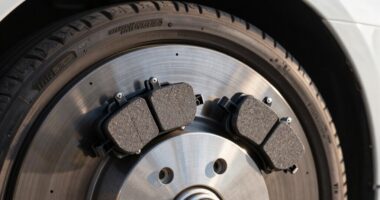
Brake-by-wire tuning offers precise control and customization, allowing you to adapt braking performance to different conditions and preferences. It can improve safety features and vehicle responsiveness but also introduces complexity with sensor calibration and potential software issues. Misadjusted settings may lead to inconsistent braking or safety risks. While the system’s flexibility is attractive, maintaining proper calibration is essential. If you want to understand how to optimize these systems and avoid pitfalls, keep exploring the details.
Prime for Young Adults — start your free trial
Fast free delivery, streaming and member deals for eligible 18–24 year olds.
As an affiliate, we earn on qualifying purchases.
Key Takeaways
- Enhances braking precision and responsiveness through electronic control customization.
- Allows for adaptive braking settings based on road conditions or driver preferences.
- Requires regular sensor calibration to ensure safety and consistent performance.
- Risks include potential software glitches or miscalibration causing inconsistent braking.
- Maintenance and proper tuning are essential to maximize safety benefits and system reliability.
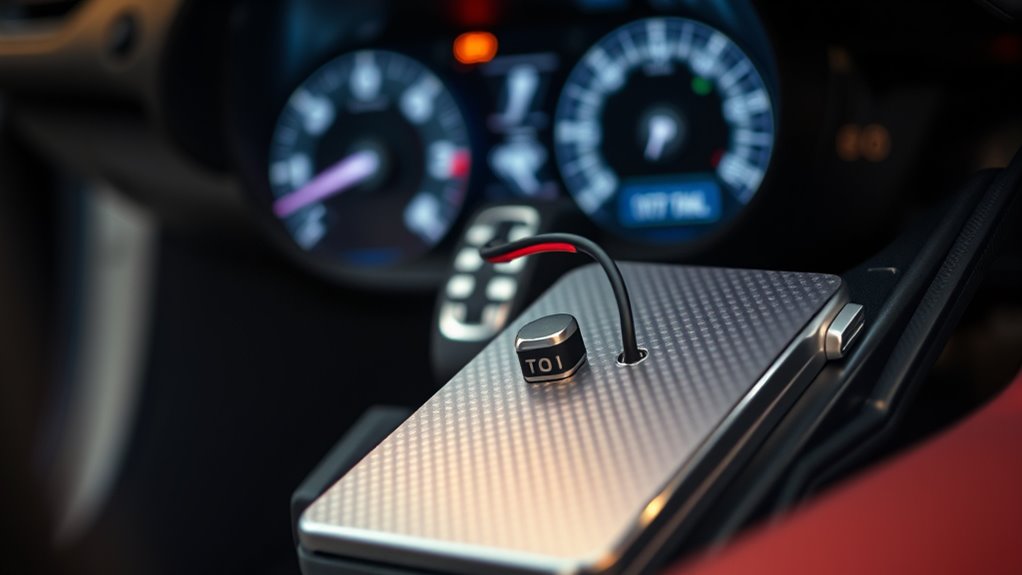
Brake-by-wire systems are revolutionizing vehicle control by replacing traditional hydraulic brakes with electronic signals, offering more precise and customizable braking performance. Instead of relying on brake fluid and mechanical linkages, these systems use sensors and electronic actuators to manage braking. As a driver, you experience a different sense of control—one that can be fine-tuned for ideal performance. To achieve this, sensor calibration becomes essential. Properly calibrated sensors ensure that the system accurately detects your brake pedal inputs, translating your intentions into precise braking responses. If calibration is off, you might notice inconsistent braking, delayed responses, or even abrupt stops. That’s why manufacturers invest heavily in sensor calibration routines during setup and maintenance, ensuring the system’s response matches your driving style and conditions. Additionally, research supports the use of comprehensive testing and validation to ensure reliability and safety in these electronic systems. Response customization is another key advantage of brake-by-wire technology. Since the system isn’t tied to hydraulic pressure, it can be programmed to adapt braking behavior based on various factors—like road conditions, vehicle load, or safety settings. This means you can personalize your braking experience, whether you prefer a firm, immediate stop or a smoother, more progressive deceleration. Response customization also enhances safety features such as regenerative braking in electric vehicles, where energy recovery is refined without compromising your comfort. You can sometimes adjust these responses through vehicle settings or software updates, giving you greater control over how your vehicle responds in different situations. However, this level of control comes with its challenges. Sensor calibration must be maintained carefully, especially over time and across different driving environments. Miscalibrated sensors can lead to inconsistent responses, affecting safety and driving comfort. Additionally, response customization, while beneficial, introduces complexity; it may require familiarity with vehicle software or dealership visits to fine-tune settings. If not managed properly, it might cause confusion or unintended behaviors, such as overly aggressive braking or sluggish response. Furthermore, since brake-by-wire systems rely on electronic signals and sensors, they are potentially more vulnerable to electrical issues or software glitches compared to traditional hydraulic brakes. Ensuring robust sensor calibration and system integrity through regular maintenance and updates is crucial for optimal performance. Despite these concerns, the benefits of precision, adaptability, and potential for advanced safety integrations make brake-by-wire systems appealing. When properly calibrated and customized, they can greatly enhance your driving experience. But you need to stay aware of maintenance needs and understand how to adjust response settings to match your preferences. Regular system checks and updates ensure that sensor calibration remains accurate and response customization continues to serve your driving style. Overall, brake-by-wire technology offers exciting possibilities, transforming how you control your vehicle while demanding a bit more attention to system management.
brake-by-wire system calibration tools
As an affiliate, we earn on qualifying purchases.
As an affiliate, we earn on qualifying purchases.
Frequently Asked Questions
How Does Brake-By-Wire Tuning Affect Vehicle Resale Value?
You might find that brake-by-wire tuning impacts your vehicle’s resale value, as it can influence market perception. Buyers may view it as a modern, innovative feature, boosting resale value, or see it as a potential reliability concern, lowering it. Your success depends on how well the tuning aligns with buyer preferences and how confidently you can demonstrate its safety and benefits, ultimately shaping your vehicle’s market value.
Are There Specific Driving Conditions Where Brake-By-Wire Tuning Is Less Effective?
You might notice brake-by-wire tuning becomes less effective in wet conditions or on steep inclines. When roads are slick, the system’s responsiveness can diminish, making braking feel less predictable. Similarly, on steep slopes, the lack of direct mechanical connection may cause hesitation or delayed responses. These situations challenge the system’s precision, so always stay alert and modify your driving accordingly to guarantee safety.
Can Brake-By-Wire Tuning Be Reversed or Adjusted After Installation?
Yes, brake-by-wire tuning can be reversed or adjusted after installation. You have adjustment flexibility, allowing you to fine-tune the system to fit your driving style or preferences. Manufacturers often design these systems with modification reversibility in mind, so if you decide to revert to the original settings or make new adjustments, it’s usually straightforward. Just guarantee you follow proper procedures or consult a professional for safe, effective modifications.
What Are the Legal Regulations Surrounding Brake-By-Wire Tuning Modifications?
You need to guarantee your brake-by-wire tuning complies with local regulations, as modification legality varies by region. Regulatory compliance is essential; many jurisdictions require modifications to meet safety standards and pass inspections. Before making changes, check with authorities or certified professionals to confirm your tuning aligns with legal requirements. Ignoring these rules can lead to penalties, voided warranties, or safety issues, so always prioritize legal and safety considerations in your modifications.
How Does Brake-By-Wire Tuning Impact Insurance Premiums?
You might see a higher insurance premium impact with brake-by-wire tuning because it increases the insurance risk. Insurers often consider modifications that alter safety systems, making your vehicle more unpredictable in accidents. This can lead to increased premiums, as the risk of claims rises. Be sure to inform your insurer about the tuning, as failure to do so could affect coverage or claims processing later.
Conclusion
So, if you think brake-by-wire tuning is just a small upgrade, think again. It’s not just about smoother stops—it’s like giving your car a brain upgrade, turning it into a racing machine or a spaceship! You’ll feel like you’re commanding lightning with your fingertips. Just imagine the thrill of perfect braking at every turn, making your driving experience feel like a superhero’s power. Embrace the future—your car’s revolution starts now!
Fall yard work Picks
leaf blowers
As an affiliate, we earn on qualifying purchases.