
Warranty denials often start with bad records because poor documentation makes it hard to prove coverage or troubleshoot issues. When your records are incomplete or inaccurate, warranty processors see red flags and question your claim’s validity. Even if the parts are fine, lacking proper details can lead to rejection. Good records build trust and streamline claims, so if you want to avoid denials, it’s essential to understand how proper documentation helps—keep going to learn more.
Key Takeaways
- Incomplete or inaccurate records make it difficult to prove coverage, leading to warranty denial regardless of part condition.
- Poor documentation creates doubts about the legitimacy of the claim, prompting rejection even if the part is faulty.
- Lack of organized records hinders quick verification, increasing the likelihood of denial due to perceived procedural errors.
- Inconsistent or incorrect data can raise red flags, causing warranty processors to deny claims based on record discrepancies.
- Well-maintained records are essential to support valid claims; without them, even good parts may be rejected.
When it comes to warranty claims, the root cause of denials often traces back to poor record-keeping. If your records are incomplete or inaccurate, it becomes difficult to prove that the product failure is covered under warranty. You might have a solid case, but without proper documentation, warranty processors see red flags and deny your claim. This is why customer communication and documentation accuracy are crucial. Clear, consistent communication with customers helps gather all necessary details upfront, reducing the risk of missing vital information later. When your team keeps thorough, well-organized records of customer interactions, you’re better positioned to support your warranty claims. If a customer reports an issue, document every step: the complaint, troubleshooting steps, parts involved, and any steps taken to resolve the problem. These records create a trail that proves you’ve acted diligently and followed the correct procedures, which is vital when disputes arise. Additionally, maintaining accurate records ensures compliance with warranty policies and can prevent costly legal disputes. Accuracy in documentation isn’t just about writing everything down; it’s about ensuring that every detail is correct and consistent. Even small mistakes—like mismatched serial numbers, incorrect dates, or vague descriptions—can undermine your case and lead to a denial. When your team is diligent about recording precise information, it minimizes discrepancies and builds a strong case for warranty coverage. Proper data management also enables easier retrieval of information during audits or investigations, saving time and avoiding unnecessary delays. This is why effective customer communication is key: it helps you gather accurate information from the start, rather than trying to piece together details after the fact. Good record-keeping also relies on proper data management to ensure all information is stored securely and accessible when needed. When your team actively engages with customers, asks clear questions, and confirms details, you’re less likely to encounter gaps or errors in your records. Proper data management also supports compliance with warranty policies and reduces the risk of errors or omissions. Furthermore, good record-keeping fosters transparency and trust with your customers. When they see that their concerns are documented thoroughly and responded to promptly, they feel confident that their warranty issues are being handled professionally. This positive interaction reduces misunderstandings and helps prevent disputes that could lead to claim denials. Keep in mind, the more comprehensive and accurate your records are, the easier it becomes to defend your warranty decisions. It’s not just about avoiding denials; it’s about ensuring your customers trust your process and remain satisfied with your service. Ultimately, solid documentation and clear communication are your best defenses against warranty claim denials, and they lay the foundation for smoother, more successful warranty management.
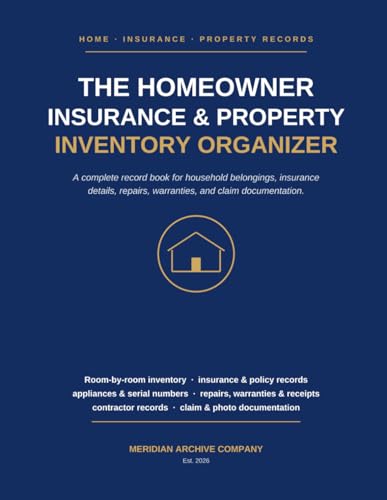
The Homeowner Insurance & Property Inventory Organizer: Subtitle: A Complete Record Book for Household Belongings, Insurance Details, Repairs, Warranties, and Claim Documentation
As an affiliate, we earn on qualifying purchases.
As an affiliate, we earn on qualifying purchases.
Frequently Asked Questions
How Can I Improve My Record-Keeping for Warranty Claims?
To improve your record-keeping for warranty claims, focus on enhancing record accuracy and documentation organization. Always double-check details before submission, ensuring all information is correct and complete. Use clear labels and consistent formats to keep records organized. Regularly update your files and back up digital data. This proactive approach reduces errors, speeds up claims processing, and minimizes warranty denials caused by poor records.
What Common Record Errors Lead to Warranty Denial?
Poor warranty documentation and record accuracy can lead to denial, even when the parts are fine. Common errors include incomplete or inconsistent records, missing timestamps, or unclear descriptions of repairs. You might forget to log every detail or fail to update records promptly. These mistakes create gaps that insurance companies scrutinize, making it easy for claims to be denied. Maintaining thorough, precise records keeps your warranty claims strong and minimizes denial risks.
How Long Should Warranty Records Be Retained?
You should retain warranty records for at least three to five years to guarantee warranty compliance and protect against potential disputes. Keeping accurate records helps verify coverage and supports your claims. Regularly review and update your record-keeping procedures to maintain record accuracy. Proper retention ensures you have the necessary documentation if a warranty denial occurs, preventing future issues and safeguarding your reputation and financial interests.
Who Is Responsible for Maintaining Warranty Documentation?
Imagine your warranty records as the foundation of a house—you’re responsible for maintaining their strength. You must guarantee warranty compliance and record accuracy, keeping documentation current and detailed. It’s your duty to organize and verify these documents regularly, preventing issues before they escalate. By staying proactive, you safeguard against denied claims, demonstrating your commitment to quality and accountability in managing warranty records effectively.
Can Digital Records Prevent Warranty Claim Issues?
Yes, digital records can prevent warranty claim issues. By ensuring digital security, you protect essential warranty data from tampering or loss. Additionally, improved record accessibility allows you to quickly retrieve accurate, complete documentation when needed, reducing errors that often lead to denials. Properly managed digital records streamline the claims process, making it easier to verify warranty eligibility and avoid disputes caused by incomplete or misplaced paper records.
Conclusion
Remember, good records protect you from unwarranted warranty denials. You might think that a faulty part caused the issue, but without detailed documentation, the manufacturer can easily deny your claim. Don’t assume they’ll accept your word — keep thorough records of repairs, diagnostics, and communication. Staying organized isn’t just about paperwork; it’s your best defense against unfair denials. So, invest in proper record-keeping now, and save yourself time and frustration later.