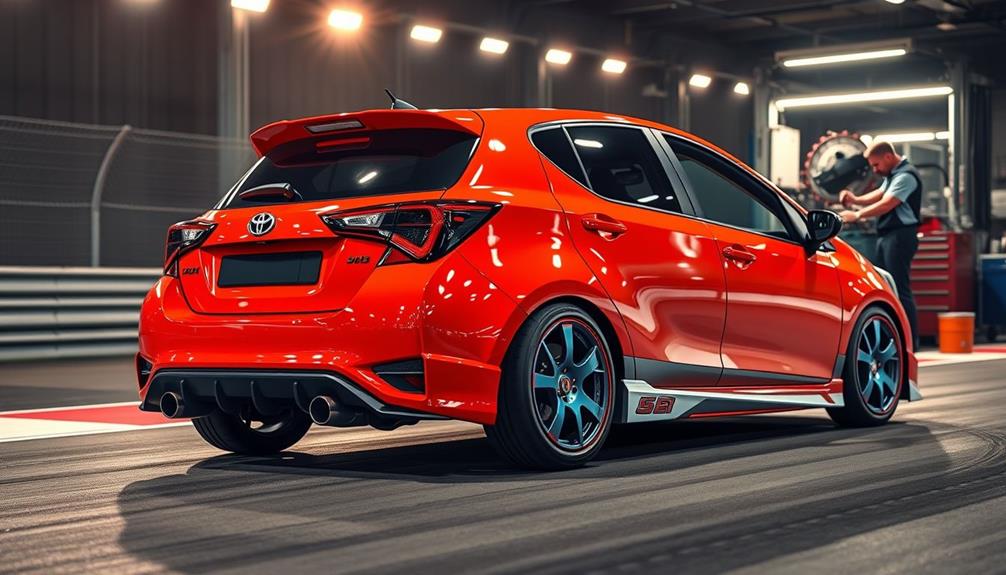
In hybrid cars, weight distribution is even more critical because of the heavy batteries, which can shift the vehicle’s balance. Proper placement low and centrally improves stability, safety, and handling, especially during turns or emergency maneuvers. It also maintains aerodynamics, reduces tire wear, and supports effective braking. By optimizing weight balance, you enhance efficiency and safety, making your drive smoother and more reliable. Keep exploring to discover how perfecting weight distribution boosts your hybrid’s performance even further.
Key Takeaways
- Proper weight distribution enhances regenerative braking efficiency, crucial for hybrid energy recovery systems.
- Balanced weight improves aerodynamics, reducing drag and increasing fuel efficiency in hybrid vehicles.
- Even weight distribution ensures better handling, stability, and safety during acceleration, deceleration, and turns.
- Correct placement of heavy batteries maintains suspension health and prevents uneven tire wear.
- Maintaining balance maximizes overall hybrid system performance and safety for driver and passenger.
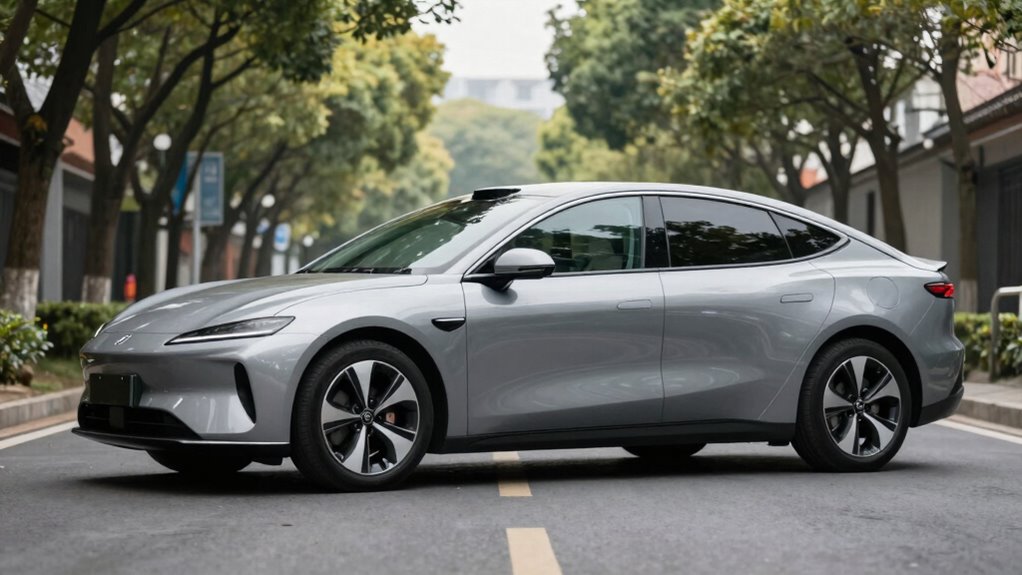
When it comes to hybrid cars, understanding how weight is distributed across the vehicle can make a significant difference in performance and safety. Unlike traditional vehicles, hybrids carry additional components that influence how weight is balanced. One of the most critical factors is battery placement. Batteries are usually heavy, and their location can dramatically affect your car’s handling. Placing the battery low and centrally helps lower the center of gravity, which improves stability during turns and reduces body roll. If the battery is positioned too high or toward the rear, you might notice a less responsive feel and increased risk of skidding, especially in emergency maneuvers.
Proper battery placement lowers the center of gravity, enhancing stability and safety in hybrid vehicles.
Beyond the placement of the battery, aerodynamic effects also play a crucial role in how weight distribution impacts your hybrid’s efficiency. The shape and design of the vehicle can influence airflow, which in turn affects fuel economy and tire wear. When weight is unevenly distributed, it can cause the car to behave unpredictably at higher speeds, especially if the airflow around the vehicle is disrupted. Proper weight balance helps maintain consistent aerodynamic performance, reducing drag and improving overall efficiency. For example, a well-balanced hybrid will experience less lift at the front or rear, maintaining better contact with the road and ensuring safer handling.
It’s essential to recognize that the impact of weight distribution isn’t just about the car’s handling but also about safety features. Many hybrid models incorporate regenerative braking systems that depend on balanced weight to operate effectively. If the weight is concentrated unevenly, braking efficiency can decrease, increasing stopping distances or causing uneven brake wear. Additionally, a well-balanced vehicle minimizes the risk of rollover accidents, which are more likely when weight is improperly distributed, especially during sharp turns or sudden lane changes. Proper weight distribution can also influence the vehicle’s overall stability during emergency maneuvers, making it safer for drivers and passengers alike.
You should also consider that the distribution of weight influences tire wear and suspension performance. When your hybrid’s weight isn’t evenly spread, certain tires may wear out faster, leading to uneven grip and potential loss of control. Proper weight distribution ensures that suspension components work optimally, providing a smoother ride and extending the lifespan of critical parts. This balance becomes even more vital in hybrid cars, where the combination of electric and gasoline power can cause different weight shifts during acceleration and deceleration. Maintaining Proper weight distribution is crucial for maximizing both safety and efficiency in hybrid vehicles.
hybrid car battery placement kit
As an affiliate, we earn on qualifying purchases.
As an affiliate, we earn on qualifying purchases.
Frequently Asked Questions
How Does Weight Distribution Affect Hybrid Battery Life?
You might not realize it, but your hybrid’s weight distribution considerably impacts battery life. Proper balance helps maintain ideal battery cooling, preventing overheating that can shorten lifespan. It also preserves structural integrity, reducing stress on the battery and surrounding components. When weight is evenly distributed, your hybrid operates more efficiently, extending battery life and ensuring reliable performance. Focus on balanced weight to maximize your car’s longevity and overall health.
Can Poor Weight Balance Cause Hybrid Car Safety Issues?
Poor weight balance can cause hybrid car safety issues, affecting handling, braking, and stability. When you neglect balancing aerodynamics and tire alignment, your vehicle becomes prone to uneven wear and unpredictable maneuvers. You might experience reduced control during sharp turns or sudden stops, risking accidents. Proper weight distribution, achieved through balanced aerodynamics and aligned tires, keeps your car steady, responsive, and safe on the road.
Does Weight Distribution Impact Hybrid Vehicle Maintenance Costs?
Yes, poor weight distribution can increase your hybrid vehicle’s maintenance costs. When weight isn’t balanced properly, it strains components like tires, brakes, and suspension, leading to quicker wear and tear. This imbalance also affects fuel efficiency and handling dynamics, causing your car to work harder and potentially requiring more frequent repairs. Maintaining ideal weight distribution helps reduce these costs, ensuring your hybrid runs smoothly, efficiently, and safely over time.
How Do Manufacturers Optimize Weight Distribution in Hybrids?
Manufacturers enhance weight distribution in hybrids by strategically placing heavy components like batteries and electric motors, often low and centrally, to improve aero efficiency and handling dynamics. They design the chassis and suspension to balance weight evenly across all wheels, reducing drag and enhancing stability. This careful placement allows hybrids to perform better, offering smoother rides and more efficient fuel use, all while maintaining ideal aerodynamics and handling.
Is Weight Distribution More Critical in Plug-In Hybrids Than Standard Hybrids?
You’ll find weight distribution is even more critical in plug-in hybrids because their larger batteries considerably impact balance. About 60% of the battery weight is placed low and centrally, optimizing handling. Manufacturers carefully consider battery placement and chassis design to maintain ideal weight distribution. This guarantees better stability, cornering, and safer driving, especially since the added weight from the larger battery in plug-in hybrids makes precise weight management essential.
Conclusion
So, next time you marvel at your hybrid’s fuel efficiency, remember—it’s not just the engine that counts. Your car’s weight distribution plays a sneaky role in how smoothly it drives and how well it handles. Ironically, all those eco-friendly features won’t matter much if the weight isn’t balanced right. In the end, achieving perfect harmony in weight might just be the secret to truly smarter, more efficient driving—who knew the real power lies beneath your feet?