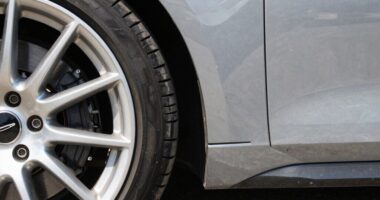

When chasing aggressive fitment, you’ll find your grip and handling are affected by tire pressure, suspension setup, and alignment. Lowering your ride height and fitting wider wheels increase grip but can cause uneven tire wear and compromised safety if not properly tuned. Overly stiff suspension improves cornering but reduces comfort and can make handling less forgiving on rough roads. To get the best performance without sacrificing safety, you’ll need to carefully balance these factors—if you want to learn how, keep going.

Get business pricing on garage and car supplies
- Business-only prices and quantity discounts
- Tax-exempt purchasing
- Multiple users, one account, clear invoices
Key Takeaways
- Lowering ride height with aggressive fitment can increase grip but may alter suspension geometry, affecting handling and tire wear.
- Wider wheels and lower profile tires improve cornering grip but often require lower tire pressures, risking sidewall flex and heat buildup.
- Adjusting suspension stiffness for aggressive fitment can enhance responsiveness but reduce ride comfort and increase tire wear.
- Maximizing grip through fitment changes demands careful alignment and suspension tuning to prevent handling issues and safety risks.
- Overemphasizing grip gains without proper pressure and suspension management can compromise safety and tire longevity.

When you chase after the perfect fitment for your car, it’s easy to overlook the tradeoffs involved in maximizing grip. You might focus on lowering your ride height or fitting wider wheels and tires, but these changes can significantly impact your vehicle’s handling and safety. One of the most critical aspects to consider is tire pressure. When you go for aggressive fitment, you often need to adjust tire pressure to ensure the tires sit flush with the wheel arches and provide the desired grip. Lowering tire pressure can increase the contact patch, giving you more grip in corners, but it also makes the tires more susceptible to sidewall flex and heat buildup, which can compromise safety and tire longevity. Conversely, higher tire pressure might improve responsiveness and reduce rolling resistance but decreases the contact patch, potentially sacrificing grip at critical moments.
Equally important are suspension adjustments, which play a vital role in balancing grip with ride comfort. When you aim for aggressive fitment, you might lower your car extensively, affecting your suspension geometry. This can lead to increased camber angles and altered toe settings, both of which influence grip and tire wear. Proper suspension tuning becomes essential; if you don’t adjust your shocks, struts, and alignment settings accordingly, you risk uneven tire wear, reduced traction, and a harsher ride. Overly stiff suspension can give you sharper handling in some situations but can also make your vehicle less forgiving on uneven surfaces, reducing grip and increasing the chance of losing control. On the other hand, softer setups may improve comfort but might not provide the precision needed for aggressive cornering. Additionally, the importance of maintaining proper tire pressure cannot be overstated, as it directly impacts grip and safety. Regular suspension tuning is also crucial to adapt to the new fitment and driving conditions, ensuring you get the most out of your modifications. Keep in mind that alignment adjustments are equally vital for maintaining optimal handling and tire longevity.
Balancing these factors is a constant challenge. You might think that simply lowering your car and widening your wheels will give you maximum grip, but neglecting tire pressure and suspension nuances can backfire. Tire pressure needs regular monitoring to adapt to conditions, especially if you’re pushing the limits of fitment. Suspension adjustments, like camber and toe changes, are necessary to maintain optimal contact patches and handling characteristics. Ultimately, maximizing grip while chasing aggressive fitment is about finding that delicate balance—knowing when to tighten or loosen your suspension and adjust tire pressures based on your driving style and conditions. Without this fine-tuning, the tradeoffs of grip can quickly turn into compromises that hinder your driving experience and safety.
As an affiliate, we earn on qualifying purchases.
Frequently Asked Questions
How Does Aggressive Fitment Affect Tire Lifespan?
Chasing aggressive fitment can substantially shorten your tire lifespan. You’ll notice increased tire wear because the tires are constantly under more stress, especially if your alignment isn’t perfect. Alignment issues become more common as you lower or modify your suspension, leading to uneven tire wear. Over time, this reduces your tires’ durability, meaning you’ll need replacements more often. Maintaining proper alignment and cautious fitment choices can help extend your tires’ lifespan.
What Safety Risks Are Associated With Extreme Fitment?
Extreme fitment can pose safety risks like compromised tire grip, increased risk of rubbing, and uneven wear, which may lead to blowouts or loss of control. While aesthetic enhancements through wheel customization look great, they can reduce functional safety if not properly managed. Make sure your wheel setup balances style with safety to avoid potential accidents. Always consult professionals when customizing for aggressive fitment.
Can Aggressive Fitment Cause Damage to Suspension Components?
Think of your suspension like a tightrope walker—aggressive fitment can stretch it too thin. When you push for extreme wheel clearance, you risk damaging suspension components because the constant pressure and misalignment cause wear and tear. Plus, road noise can increase as parts rub or vibrate more than they should. This means your ride becomes harsher and less reliable, ultimately compromising your suspension’s integrity.
How Does Fitment Impact Vehicle Handling and Stability?
Your fitment considerably impacts vehicle handling and stability. When you choose aggressive fitment, it can enhance aesthetic appeal but may compromise wheel alignment and suspension geometry. This can lead to decreased stability during cornering and uneven tire wear. To maintain ideal handling, you need to balance aesthetic enhancement with proper fitment, ensuring your wheels align correctly, which preserves stability and promotes better overall driving performance.
Are There Legal or Insurance Considerations With Aggressive Fitment?
Chasing aggressive fitment can turn your car into a legal minefield. You might face legal compliance issues if your modifications exceed local regulations, risking fines or even vehicle impoundment. Insurance implications are just as serious—many insurers deny coverage if your fitment isn’t within legal limits or if it’s deemed unsafe. Always check local laws and inform your insurer about modifications to avoid costly surprises and keep your ride within safe, legal boundaries.
Conclusion
As you chase the perfect fitment, remember that pushing for aggressive setups often reduces grip by up to 20%, risking safety and performance. While a tighter stance might turn heads, it can compromise handling on rough roads or during spirited driving. Striking a balance is key—prioritize safety without sacrificing style. After all, about 60% of car enthusiasts agree that a well-rounded setup outperforms purely aesthetic modifications in real-world driving.
Halloween Picks
halloween
As an affiliate, we earn on qualifying purchases.