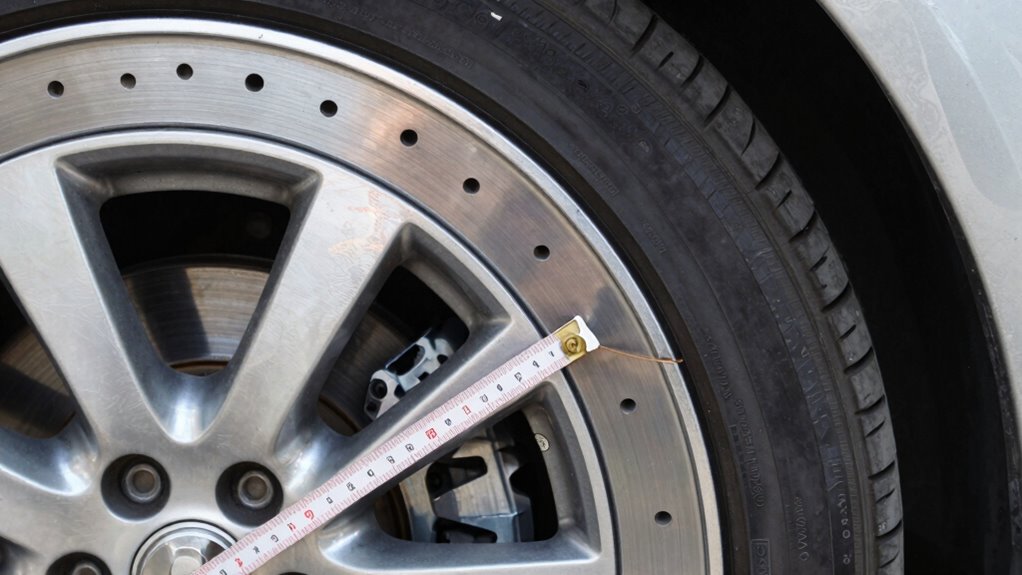
Before buying bigger brakes, you should first measure your current wheel width and guarantee there’s enough space in the wheel well. Remove the wheels to get accurate measurements of the brake assembly and check the hub diameter for proper fitting. Use spacers or mock-up wheels to test fitment and avoid interference with suspension or steering components. By taking these steps, you’ll confirm compatibility and prevent surprises after installation—continue on to discover more detailed tips.

Get business pricing on garage and car supplies
- Business-only prices and quantity discounts
- Tax-exempt purchasing
- Multiple users, one account, clear invoices
Key Takeaways
- Measure current tire width and wheel well space to ensure sufficient clearance for larger brakes.
- Remove wheels and use spacers or mock-ups to test fitment of new brake components.
- Check that the wheel bore diameter matches the hub size of the new brake setup.
- Verify that larger rotors do not interfere with suspension parts or steering components.
- Consider vehicle modifications, such as lowering or suspension upgrades, that may affect clearance.
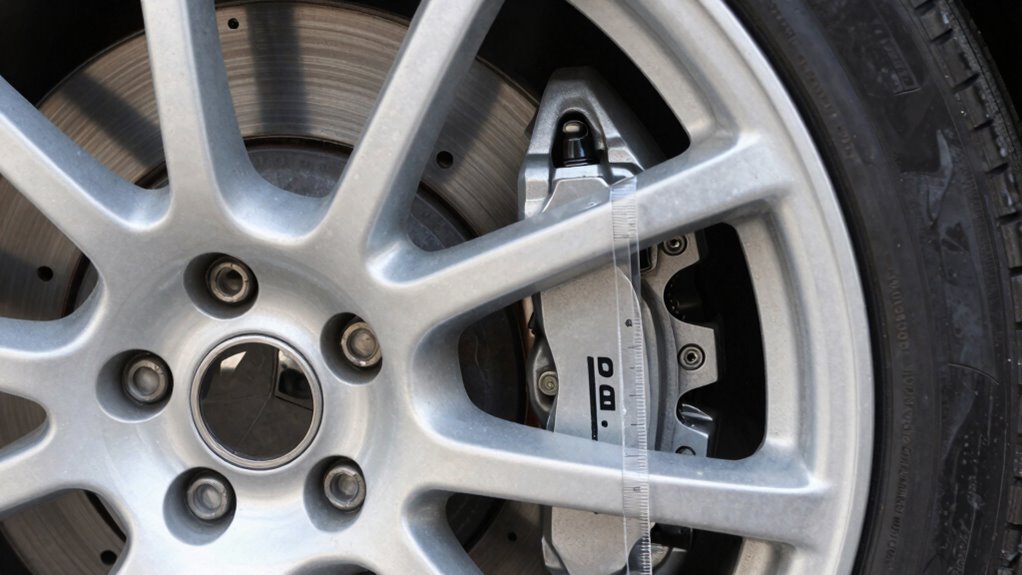
If you’re considering upgrading to bigger brakes, it’s vital to check wheel clearance beforehand to guarantee proper fitment. Larger brakes often mean thicker rotors and calipers, which can interfere with your wheel setup if you’re not careful. To start, you need to understand how your current wheels and new brake components interact. One key aspect is tire width. If your tires are already close to the edge of the wheel well, upgrading to bigger brakes might cause rubbing or contact issues. Measure your current tire width accurately and compare it with the space available in your wheel arches once the bigger brakes are installed. Remember, wider tires increase the likelihood of clearance problems, especially during steering or suspension travel.
Check tire width and wheel well space carefully before upgrading brakes to avoid clearance issues.
Next, pay attention to the hub diameter. The hub diameter affects how the wheel mounts onto your vehicle’s hub assembly. When swapping to larger brakes, you might need wheels with a different hub bore or offset. If the new brake calipers or rotors extend beyond the current hub mounting surface, the wheel must have sufficient clearance to avoid interference. Check the specifications of the new brake kit, especially the dimensions of the hub and rotor mounting surfaces. Make sure your wheels can accommodate those dimensions without excessive offset that might push the tire closer to the fender or suspension components. Additionally, understanding the metaphysical concept of clearance can help you better visualize the space needed for the upgrade. Considering the clearance requirements for different brake sizes can also assist in planning your upgrade more effectively. Knowing how to correctly interpret measurement techniques can ensure your assessments are accurate and reliable. Also, familiarizing yourself with standard wheel dimensions can prevent miscalculations during your measurements.
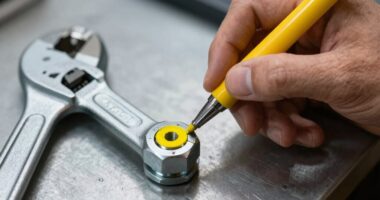
To verify these clearances practically, you’ll want to gather precise measurements. Remove your current wheels and fit the new brake components temporarily—if possible, with the help of a mock-up or a spacer. Measure the maximum width of the brake assembly and compare it with your existing wheel and tire setup. Use a caliper or a ruler to measure the distance from the hub mounting surface to the outer edge of the tire when the wheel is mounted. This will give you a concrete idea of whether your current wheels will clear the bigger brakes or if you need to upgrade to wider, more appropriately offset wheels. Additionally, exploring proper measurement techniques can ensure your assessments are accurate and reliable.
Additionally, consider the overall diameter of the new brake rotors. Larger rotors increase the hub diameter, which could impact the clearance with suspension parts or the wheel well. Make sure to also account for the vehicle’s suspension travel and steering angles, especially if you have lowered or modified suspension components. By carefully checking tire width, hub diameter, and overall rotor size, you reduce the risk of post-installation surprises and guarantee your upgrade delivers both performance and safety.
As an affiliate, we earn on qualifying purchases.
Frequently Asked Questions
Can Aftermarket Wheels Affect Brake Clearance?
Yes, aftermarket wheels can affect brake clearance because wheel sizing impacts how much space you have around your brakes. When choosing aftermarket wheels, you need to take into account brake compatibility to guarantee they fit without rubbing or interfering with your brake components. Measure your current setup carefully, and compare it to the new wheels’ dimensions. Proper fitment prevents issues and ensures your brakes work efficiently and safely with your upgraded wheels.
What Tools Are Needed to Measure Wheel Clearance?
To measure wheel clearance, you’ll need a tape measure or a caliper to check tire width and hub diameter. Use the caliper to get precise measurements of the hub diameter, ensuring it fits your wheel hub. For tire width, a tape measure works best to gauge the space between the tire and the brake components. These tools help you determine if your wheels can handle larger brakes without rubbing or clearance issues.
How Do Spacer Sizes Impact Brake Fitment?
Spacer sizes directly impact brake fitment by affecting spacer compatibility and brake caliper clearance. Larger spacers can push wheels outward, potentially providing more room for bigger brake calipers, but if too thick, they may interfere with brake caliper clearance or compromise safety. Always verify spacers are compatible with your wheel and hub specifications, and double-check that they don’t hinder proper brake operation or cause clearance issues.
Is Stock Suspension Height Important for Clearance Checks?
Yes, your stock suspension height is essential for clearance checks because it determines the wheel and brake fitment at your vehicle’s normal ride height. Keep in mind that suspension changes or altered alignment settings can affect clearance, potentially causing issues with larger brakes. To guarantee proper fit, measure clearance with your suspension at its current height and alignment, and consider any future modifications that might impact these dimensions.
How Often Should I Recheck Clearance After Modifications?
You should recheck clearance whenever you make significant modifications, like upgrading to larger brake calipers or increasing tire width. For example, after installing wider tires, a driver found slight rubbing on the calipers during a test drive. It’s wise to inspect your wheel clearance monthly, especially during the first few weeks of modifications, to guarantee no new issues develop. Regular checks help prevent damage and ensure safe, ideal performance.
Conclusion
Before upgrading to bigger brakes, think of your wheels as the wings of a bird—space is what keeps them soaring freely. Ensuring enough clearance isn’t just about fit; it’s about giving your car the freedom to perform and the confidence to trust its strength. When you check carefully, you’re not just measuring; you’re safeguarding your journey ahead. So, take the time now—your car’s freedom and your peace of mind depend on it.
Halloween Picks
halloween
As an affiliate, we earn on qualifying purchases.