If you’re getting air pockets when using coolant vacuum fill tools, it’s often because you’re not sealing connections properly or filling too quickly, trapping air inside the system. Inadequate bleeding or rushing the process can leave residual air pockets. Regularly check and maintain your tools, and follow proper filling techniques to prevent airlock formation. Keep going, and you’ll discover simple tips to guarantee a smooth, air-free coolant refill every time.

Get garage and car supplies delivered free — and shop member deals
- Fast, free delivery on millions of items
- Access to Prime Big Deal Days deals on October 6–7
- Prime Video, Amazon Music and more included
Key Takeaways
- Poor sealing of the vacuum fill tool allows air to enter the cooling system during filling.
- Filling too quickly or without gradual coolant draw traps air pockets inside.
- Inadequate bleeding after initial fill leaves residual air in the system.
- Not running the engine briefly post-fill prevents trapped air from escaping.
- Worn or damaged seals and hoses reduce vacuum efficiency, causing air pockets to form.
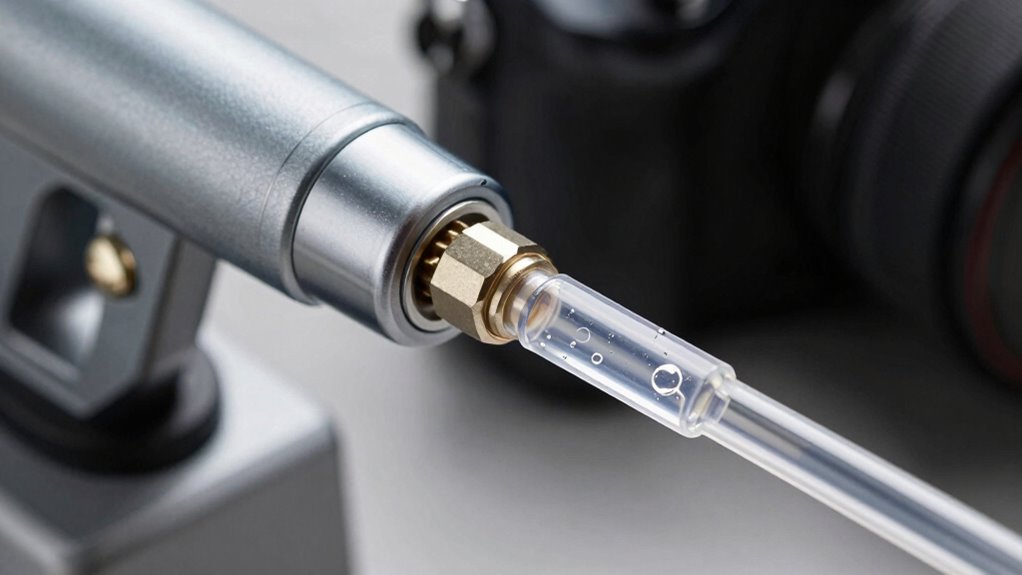
When you’re replacing or topping off coolant in a vehicle, using a coolant vacuum fill tool can make the process faster and cleaner. However, one common issue you might encounter is the formation of air pockets or airlocks in the cooling system. These airlocks can lead to overheating, reduced efficiency, and even engine damage if not addressed properly. Understanding how to prevent airlock formation and maintaining your tools can considerably improve your cooling system repairs.
Airlock prevention starts with proper technique. When you connect the vacuum fill tool, ensure it’s sealed tightly to avoid introducing additional air into the system. As you draw out old coolant and replace it with new, keep an eye on the flow to confirm that air isn’t getting trapped. Filling slowly and continuously helps the coolant push out any trapped air pockets. Once you’ve topped off the system, it’s essential to run the engine briefly and then check the coolant level again. This process allows any residual air to escape naturally, preventing persistent airlocks that could compromise engine cooling.
Tool maintenance plays an important role in preventing airlock issues. Regularly inspecting your coolant vacuum fill tool ensures all seals, hoses, and fittings are in good condition. Cracked or worn-out seals can allow air to enter the system or cause leaks that hinder proper coolant flow. Before each use, clean the tool thoroughly, removing any debris or old coolant residues, which could interfere with creating a proper vacuum. Proper maintenance also includes storing the tool in a clean, dry place, free from dust and moisture, so it functions correctly whenever you need it. Additionally, using the correct vacuum pressure**** is crucial for effectively removing air pockets without damaging system components.
Another aspect of tool maintenance involves periodically checking the vacuum pump’s operation. A malfunctioning pump may not generate enough vacuum pressure to effectively purge air from the cooling system. If you notice inconsistent vacuum levels or difficulty maintaining a seal, it’s time to repair or replace components. Using the tool as intended and following the manufacturer’s instructions helps guarantee it performs efficiently, reducing the likelihood of trapped air.
In essence, preventing airlocks when using a coolant vacuum fill tool hinges on careful technique and diligent tool maintenance. Properly sealing connections, filling slowly, and running the engine after topping off can considerably reduce air entrapment. Meanwhile, regular inspections, cleaning, and timely repairs keep your tool in top shape, ensuring a smooth, efficient coolant refill process every time. By paying attention to these details, you’ll avoid the frustration of air pockets and keep your cooling system functioning reliably.
As an affiliate, we earn on qualifying purchases.
Frequently Asked Questions
Can Coolant Vacuum Fill Tools Be Used on All Vehicle Types?
Coolant vacuum fill tools offer universal compatibility, but you’ll need vehicle-specific adaptors for certain models. While many tools work across different vehicles, some require these adaptors to guarantee a proper seal and efficient filling. Always check your vehicle’s make and model, and use the right adaptors. This way, you’ll avoid air pockets and ensure a smooth coolant fill process, regardless of the vehicle type you’re working on.
What Maintenance Is Required for Coolant Vacuum Fill Tools?
Think of your coolant vacuum fill tool as a finely tuned instrument that needs regular care. You should calibrate it periodically to keep it singing true and guarantee accurate results. Proper storage procedures, like keeping it in a dry, clean space, prevent rust and damage. Regular maintenance keeps your tool performing like new, preventing air pockets and ensuring your cooling system stays efficient. Stay proactive, and your tool will serve you well.
Are There Safety Precautions When Operating These Tools?
When operating coolant vacuum fill tools, you should always wear appropriate safety gear, like gloves and eye protection, to prevent injuries. Handle the tool carefully, following the manufacturer’s instructions, to avoid accidents or leaks. Make sure the area is well-ventilated and keep a clear workspace. By staying alert and practicing proper tool handling, you guarantee safe and efficient operation, minimizing risks associated with coolant vacuum filling.
How Long Does It Typically Take to Eliminate Air Pockets?
It usually takes about 10 to 20 minutes to eliminate air pockets when using coolant vacuum fill tools, but the air pocket duration can vary based on system size and seal quality. You should actively monitor the process, ensuring the vacuum remains steady. Keep in mind, thorough bleeding might extend this elimination time, and patience is key to preventing residual air, which can cause overheating or cooling issues later.
Can These Tools Be Used for Other Fluid Systems Besides Coolant?
You can definitely use these tools for other fluid systems, since “a jack of all trades is a master of none.” They work well with alternative fluids like oil or transmission fluid, making them versatile for different systems. Just guarantee the tool’s specifications match the fluid’s requirements. With proper use, you’ll streamline filling various systems and prevent air pockets, saving you time and effort in maintenance.
Conclusion
So, despite all the fancy coolant vacuum fill tools, you still end up battling air pockets? Ironically, it’s often the simplest mistakes—like not sealing the system tight enough—that cause the biggest headaches. Next time, maybe skip the high-tech gadgets and double-check those connections first. After all, sometimes the most advanced tools can’t fix a problem created by a loose clamp. Who knew air pockets were the real test of your patience?
Halloween Picks
halloween
As an affiliate, we earn on qualifying purchases.