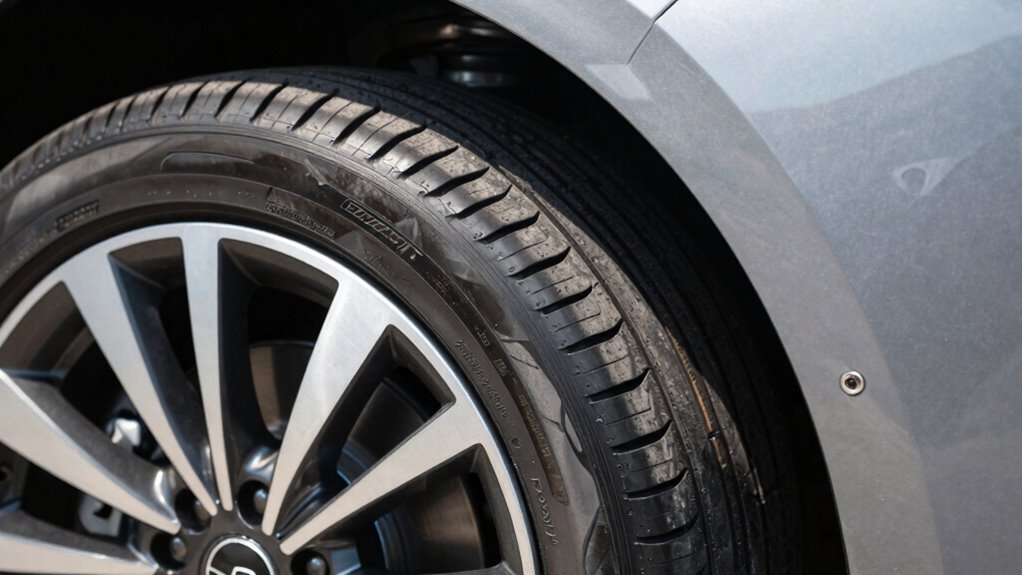

Your tires play a crucial role in your hybrid’s efficiency and handling. Proper tire pressure reduces rolling resistance, helping you conserve fuel and improve safety. Tread design influences traction, stability, and comfort, especially in wet or slippery conditions. Modern tires also reduce noise, making your ride quieter. When you maintain correct pressure and choose the right tread pattern, you guarantee peak performance and longevity. Keep exploring to discover how to maximize your tire’s contribution to your hybrid’s overall efficiency.
Key Takeaways
- Proper tire pressure reduces rolling resistance, improving fuel efficiency and overall hybrid performance.
- Tread design influences traction, stability, and safety in various driving conditions.
- Noise reduction features in tires enhance ride comfort for hybrid vehicles.
- Correctly matched tread patterns and pressure optimize handling and safety.
- Regular tire maintenance extends tire life and maintains consistent vehicle efficiency.
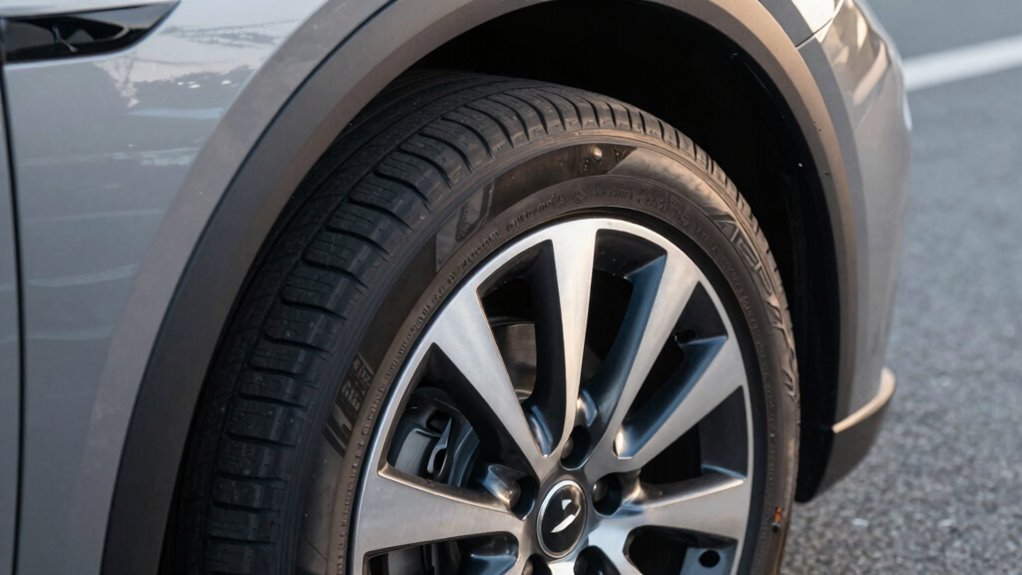
When it comes to hybrid vehicles, tires play a vital role in balancing efficiency and handling. The right tire pressure ensures your vehicle runs smoothly and conserves fuel, so maintaining correct pressure is essential. Underinflated tires increase rolling resistance, which causes your engine and electric motor to work harder, ultimately reducing fuel efficiency. Overinflated tires, on the other hand, can compromise grip and ride comfort. Regularly checking and adjusting tire pressure to the manufacturer’s recommended levels helps optimize efficiency without sacrificing safety or handling.
Tread design is another critical factor influencing how your hybrid performs on the road. Tires with low rolling resistance often feature specially engineered tread patterns that minimize contact area and reduce friction with the road, boosting fuel economy. These tires typically have fewer grooves and a smoother surface, which helps decrease drag. However, don’t overlook the importance of tread pattern for handling and safety. For varied driving conditions, tires with a balanced tread design—featuring enough siping and channels—offer better traction, especially in wet or slippery conditions. This balance ensures your vehicle maintains good grip and stability, whether you’re accelerating, cornering, or braking. Additionally, tire durability plays a role in how well your tires perform over time, especially when frequently driving on rougher surfaces or in extreme weather. Proper tire maintenance also involves understanding the impact of tire wear, which can significantly influence overall performance and safety.
Choosing tires with an optimal tread design also affects ride comfort and noise levels. Modern hybrid tires often incorporate noise-reducing features, such as specialized tread blocks or rubber compounds, which make your drive quieter and more comfortable. Keep in mind that tires designed for high efficiency might sacrifice some grip in extreme conditions, so selecting a tread pattern that matches your typical driving environment is key. If you frequently drive in rain or snow, look for tires with deeper grooves and more aggressive patterns to handle wet or icy roads safely.
Ultimately, your tire pressure and tread design are interconnected in influencing your hybrid’s performance. Properly inflated tires with an appropriate tread pattern ensure your vehicle delivers the best balance of fuel economy, handling, safety, and comfort. Regularly inspecting and maintaining your tires, including checking pressure and understanding their tread design, lets you maximize your hybrid’s efficiency and handling capabilities. Understanding the importance of tire maintenance can significantly impact your vehicle’s longevity and overall performance. Remember, tires aren’t just about safety—they’re a crucial component that directly impacts how your vehicle performs on every trip. By paying close attention to these details, you’ll enjoy a smoother, more efficient, and more confident driving experience.
hybrid vehicle tires with low rolling resistance
As an affiliate, we earn on qualifying purchases.
As an affiliate, we earn on qualifying purchases.
Frequently Asked Questions
How Do Tire Pressure Changes Affect Hybrid Fuel Economy?
When your tire pressure drops, your fuel economy decreases because under-inflated tires create more rolling resistance, making your hybrid work harder. Proper tire pressure guarantees ideal contact with the road, reducing energy loss and improving efficiency. Regularly check and maintain your tire pressure to maximize fuel economy, save money on gas, and enhance your vehicle’s handling. Keeping tires properly inflated is a simple yet effective way to boost your hybrid’s overall performance.
Are Low-Resistance Tires Suitable for Off-Road Hybrid Vehicles?
Low-resistance tires aren’t ideal for off-road hybrid vehicles because they often lack the off-road traction and tread durability you need in rough terrains. While they boost fuel efficiency on highways, their softer rubber compounds and specialized treads typically don’t withstand mud, rocks, or uneven surfaces well. For off-road adventures, choose tires designed for durability and traction, ensuring your hybrid performs reliably in challenging conditions without sacrificing safety or performance.
What Tire Tread Patterns Optimize Hybrid Handling on Wet Roads?
You should choose tires with asymmetrical or directional tread patterns for wet roads, as they excel in water evacuation—removing up to 30% more water than traditional designs. These patterns improve handling by channeling water away quickly, reducing hydroplaning risk. The right tread pattern enhances your hybrid’s grip and stability, especially in rainy conditions, ensuring safer, more confident driving on wet surfaces.
Do Tire Brands Impact Hybrid Vehicle Performance Differently?
Yes, tire brands impact hybrid vehicle performance differently due to tire brand variability and hybrid tire branding. Different brands use unique rubber compounds, tread designs, and manufacturing standards, influencing traction, fuel efficiency, and handling. Choosing reputable hybrid-specific tire brands ensures better compatibility with your vehicle’s hybrid system, optimizing efficiency and safety. Consequently, investing in quality hybrid tire branding can make a noticeable difference in overall hybrid performance.
How Often Should Hybrid Tires Be Rotated for Best Efficiency?
Think of your hybrid’s tires as the heartbeat of its efficiency—keeping them healthy is crucial. You should rotate your tires every 5,000 to 7,000 miles, following your vehicle’s recommended rotation schedule. This helps prevent uneven tire wear, ensures smooth handling, and maximizes fuel savings. Regular rotation keeps your hybrid running at peak performance, conserving energy and extending tire life—making every mile more efficient and safer.
Conclusion
So, next time you marvel at your hybrid’s fuel savings, remember—it’s not just the engine’s eco-friendly tech. Your tires quietly juggle grip and rolling resistance, making or breaking that efficiency. But don’t worry, they’ll happily sacrifice longevity for better handling—after all, who needs a smooth ride when you can impress with those quick turns? Truly, tires are the unsung heroes or villains—depending on your mood—of hybrid performance.