When installing a DIY EV charger, you must follow essential safety steps to prevent hazards. Use the correct wire gauge, install dedicated circuits rated for 40-50 amps, and guarantee all wiring complies with manufacturer and local electrical codes. Always secure proper permits and schedule inspections to verify your setup’s safety and legality. Prioritize safety, adhere to standards, and consider additional monitoring options. Keep these points in mind, and you’ll find out more about ensuring a safe, reliable installation.
Key Takeaways
- Obtain all necessary permits and ensure compliance with local electrical codes before starting installation.
- Use the correct gauge wire and dedicated circuit breakers rated for 40-50 amps to prevent overloads.
- Schedule a professional inspection after installation to verify wiring, permit adherence, and safety standards.
- Follow manufacturer instructions strictly to ensure proper wiring, grounding, and circuit protection.
- Incorporate smart monitoring and control features to enhance safety, detect issues early, and ensure reliable operation.

Installing your own EV charger can be a rewarding way to save money and guarantee your electric vehicle is always ready to go. But before you immerse yourself in the project, you need to understand that safety comes first. One of the most critical aspects of a safe installation involves proper electrical wiring, permits, and adherence to local codes. These elements aren’t just bureaucratic hurdles—they’re essential for ensuring your safety and the longevity of your charging setup.
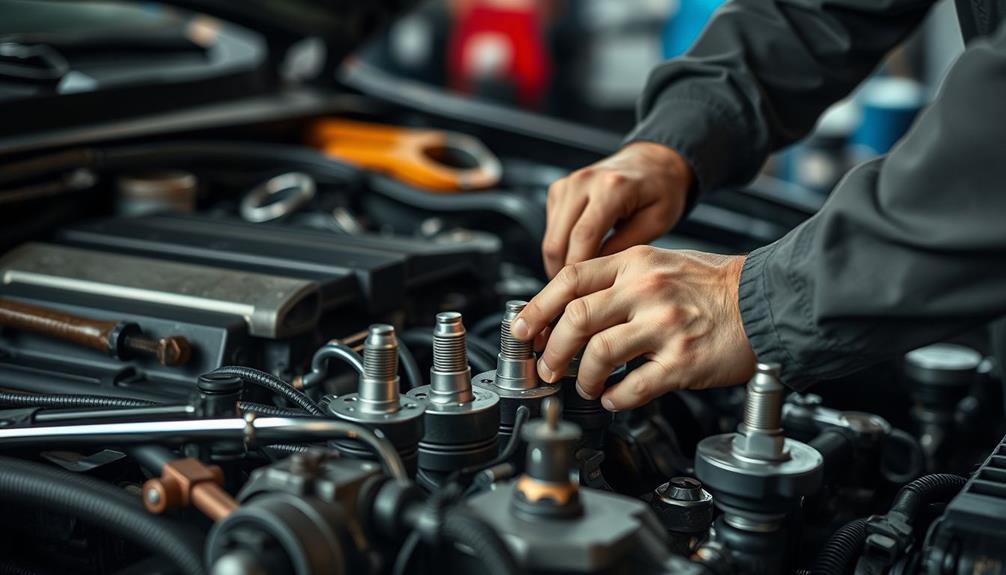
First, when it comes to electrical wiring, you must use the correct gauge wire to handle the charger’s power requirements. Overloading wires can lead to overheating, electrical fires, or damage to your vehicle and home. You’ll want to run dedicated circuits with proper circuit breakers rated for the charger’s amperage, typically 40 to 50 amps. If you’re unfamiliar with electrical systems, it’s tempting to cut corners, but improper wiring can be dangerous and may void warranties or insurance policies. Always double-check the manufacturer’s specifications and follow local electrical standards.
Use the proper gauge wire and dedicated circuits rated for 40-50 amps to ensure safe EV charger installation.
Permits and codes are equally important. Many areas require permits for installing a high-voltage electrical device like an EV charger. These permits ensure your installation meets safety standards set by the National Electrical Code (NEC) and local building departments. Skipping this step might seem like a time-saver, but it can lead to fines, failed inspections, or issues when selling your home. Before starting, contact your local building authority or electrical inspector to find out what permits are necessary and what inspections are required. Following these steps guarantees your installation is legal and safe.
It’s also advisable to schedule an inspection once your installation is complete. An inspector will verify that your electrical wiring is correctly installed, that the correct permits are on file, and that your setup complies with all relevant codes. This step might feel like an extra hassle, but it provides peace of mind, especially when it comes to safety and insurance coverage. Additionally, being aware of smart‑home integration options can help you monitor and control your charger remotely, enhancing safety and convenience.
Frequently Asked Questions
Can I Install an EV Charger Without Professional Electrical Knowledge?
You shouldn’t attempt to install an EV charger without proper electrical knowledge. DIY safety is essential because working with electrical systems can be dangerous if you’re inexperienced. Without the right skills, you risk electrical shocks, fires, or damaging your vehicle. It’s best to hire a licensed electrician who understands electrical codes and safety protocols. Protect yourself and your property by ensuring the installation is safe and compliant with local regulations.
What Permits Are Required for DIY EV Charger Installation?
Think of the permit process as the gateway to safe and legal charging. You’ll need to check local regulations and submit an application to your city or county, ensuring your installation meets electrical codes. Permits vary by location, so contact your local building department or electrical inspector. Don’t skip this step—it’s your safeguard against future issues, guiding you through the paperwork maze while keeping your DIY project aligned with safety standards.
How Do I Ensure My Home Electrical System Supports the Charger?
You need to assess your home’s electrical system to support your EV charger. Start by checking if your electrical panel can handle the additional load; you might require electrical upgrades. Make certain circuit protection by installing dedicated circuits with appropriate breakers. Consulting a licensed electrician helps verify these upgrades, preventing overloads and ensuring safe operation. Taking these steps guarantees your system supports your charger efficiently and safely.
What Safety Equipment Should I Use During Installation?
You should wear personal protective gear like insulated gloves, safety goggles, and a fire-resistant apron to protect yourself. Use electrical safety devices such as circuit testers and insulated tools to prevent shocks. Always turn off the power before working on the wiring, and double-check that the circuit is de-energized. These precautions keep you safe and reduce the risk of accidents during your DIY EV charger installation.
How Do I Troubleshoot Common Issues After Installation?
Ever wondered how to troubleshoot errors on your EV charger? First, check all connections and guarantee power is supplied properly. Next, follow troubleshooting steps like resetting the breaker or inspecting for loose wires. Is your charger still not working? Consult the user manual for error codes and solutions. Regularly inspecting your setup helps catch issues early, ensuring your EV charger remains safe and functional after installation.
Conclusion
Remember, skipping safety checks is like building a house on shifting sands—nothing will hold. By following this checklist, you’re not just installing an EV charger; you’re laying a solid foundation for safe, reliable charging. Think of each step as a brick in your fortress—secure and steadfast. So, take your time, double-check every detail, and turn your DIY project into a beacon of safety, shining brightly as a tribute to your careful craftsmanship.