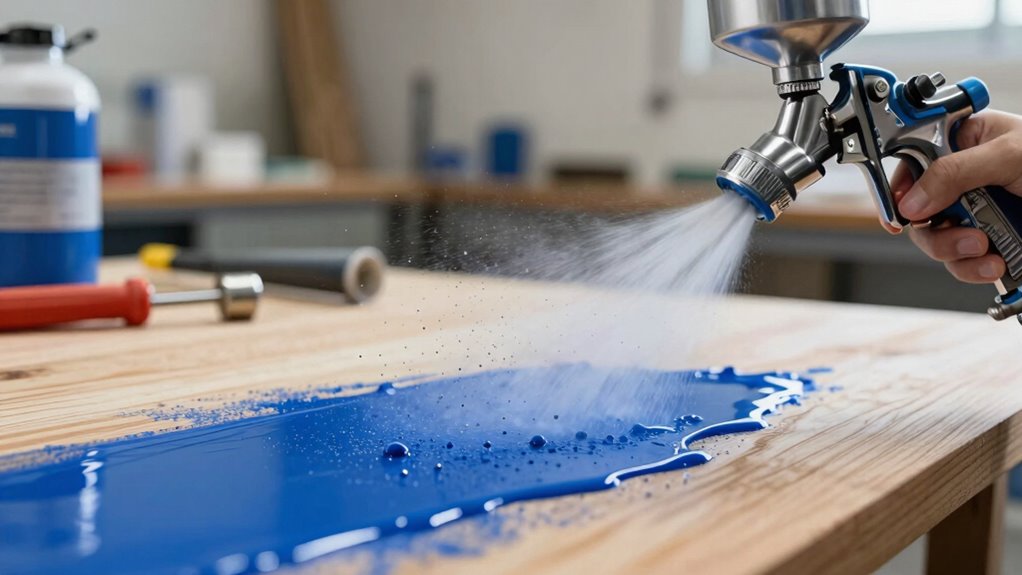

HVLP systems matter for cleaner paint work because they reduce overspray and harmful fumes, creating a safer environment. They deliver a fine, even mist that minimizes mess and guarantees smooth, professional results. With adjustable settings, you gain better control and less waste, saving money and time. Proper maintenance helps sustain performance and eco-friendliness. If you want to learn how these features improve your projects further, keep exploring the benefits of HVLP systems.

Get business pricing on garage and car supplies
- Business-only prices and quantity discounts
- Tax-exempt purchasing
- Multiple users, one account, clear invoices
Key Takeaways
- HVLP systems reduce airborne paint particles and overspray, resulting in a cleaner workspace.
- They improve paint transfer efficiency, minimizing waste and ensuring neater application.
- Precise control over spray patterns leads to more accurate and cleaner paint finishes.
- Better air quality is maintained by reducing harmful fumes and fumes during painting.
- Proper maintenance of HVLP systems ensures consistent, high-quality results with less mess.
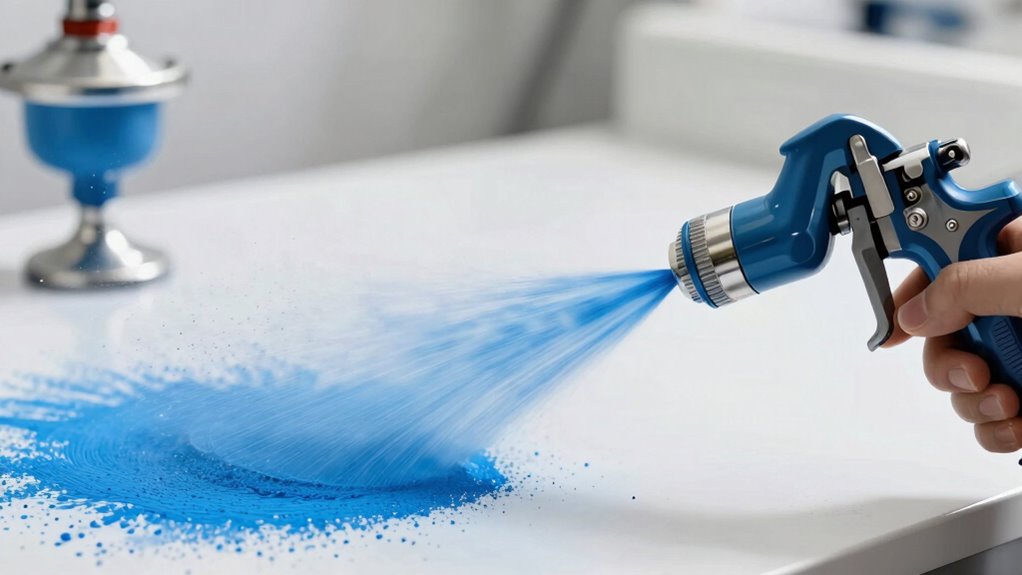
High-volume, low-pressure (HVLP) systems have become essential tools for achieving professional-quality finishes in painting projects. They are designed to deliver paint efficiently while minimizing overspray and waste, making them a popular choice for both professionals and DIY enthusiasts. One of the key reasons HVLP systems matter is their positive impact on air quality. Unlike traditional spray guns that often produce a lot of airborne paint particles, HVLP systems operate at lower pressures, reducing the amount of overspray that escapes into the environment. This means you’re less likely to breathe in harmful fumes and paint particles, creating a safer workspace for you and others nearby. Better air quality not only benefits your health but also helps keep your work area cleaner, reducing the need for extensive cleanup after each project. Additionally, their air quality benefits make HVLP systems an environmentally friendly option for conscientious painters. Another significant advantage of HVLP systems is their superior paint efficiency. Because they transfer more paint directly onto the surface, you use less paint overall, which saves you money in the long run. This high transfer efficiency means fewer paint materials are wasted, and you get a more even coat with less effort. The controlled spray pattern allows you to apply paint smoothly and precisely, reducing drips and uneven finishes. As a result, your projects look more professional with less touch-up work needed afterward. This efficiency is especially important if you’re working on large areas or multiple projects, as it cuts down on the time and paint required to complete each task. Proper technique and practice can further improve your results when using HVLP systems. Using the right techniques also helps to maximize the benefits of your HVLP system while minimizing waste.
HVLP systems improve air quality by reducing airborne paint particles and overspray, creating a safer, cleaner workspace.
Furthermore, HVLP systems give you better control over the application process. You can easily adjust spray patterns and flow rates to suit different surfaces and paint types, ensuring a consistent finish each time. This level of control helps you avoid common problems like oversaturation or uneven coverage, which can compromise both the quality of your work and the air quality if paint particles become airborne. Because HVLP systems produce a fine, even mist, you also enjoy a more comfortable painting experience—less fatigue, fewer fumes, and less mess. Proper maintenance of your HVLP system can further enhance its performance and lifespan, ensuring consistent results over time. Moreover, understanding the importance of environmentally friendly options can guide you toward more sustainable painting practices that benefit both your health and the planet.
As an affiliate, we earn on qualifying purchases.
Frequently Asked Questions
How Do HVLP Systems Compare to Conventional Spray Guns?
HVLP systems provide a finer spray pattern compared to conventional spray guns, giving you more control and precision. They work better with higher paint viscosity, reducing overspray and waste. With HVLP, you’ll notice less mess and cleaner results, making your job easier and more efficient. Conventional guns often produce more overspray and require more thinning of paint, but HVLP systems deliver a smoother finish with less paint loss.
What Types of Projects Are Best Suited for HVLP Systems?
You should use HVLP systems for projects that require a smooth, professional finish, like furniture, cabinets, or detailed trim work. They work best when your surface is well-prepared and your paint has the right viscosity—thinner paints spray more evenly. These systems excel at minimizing overspray and waste, making them ideal for indoor projects or finishing touches on furniture, where precision and cleanliness are essential.
Are HVLP Systems Suitable for Outdoor Painting?
You might find HVLP systems suitable for outdoor painting, especially when you prioritize outdoor durability and weather resistance. Their precise spray control minimizes overspray, helping paint withstand the elements better. However, consider factors like climate and project size. When used correctly, HVLP systems can deliver a smooth, durable finish that resists rain, sunlight, and wind, making your outdoor projects last longer and look professionally done.
How Much Maintenance Do HVLP Systems Require?
You’ll find that HVLP systems require regular cleaning routines to keep them functioning smoothly; this includes flushing out paint residues and cleaning filters after each use. Proper storage methods are essential—store the system in a dry, dust-free place and disassemble parts as needed. With consistent maintenance, your HVLP system stays efficient, lasts longer, and delivers cleaner, smoother paint jobs every time.
Can HVLP Systems Handle Thick, Heavy-Bodied Paints?
Think of thick, heavy-bodied paints as stubborn waves crashing against a shore. HVLP systems can struggle with high paint viscosity, making application precision a challenge. While some models are designed for thicker paints, many require thinning to guarantee smooth flow and even coverage. You might need to adjust your setup or choose a high-capacity model to handle these heavier textures effectively, ensuring your finish remains clean and flawless.
Conclusion
Imagine painting a delicate portrait—every brushstroke counts. HVLP systems are your steady hand, delivering precision with minimal overspray. When I first switched to HVLP, my paint jobs became faster and cleaner, like a well-choreographed dance. Studies show they reduce overspray by up to 55%, making your work not only neater but more efficient. Embrace HVLP systems, and you’ll see your projects transform from messy to masterful—your secret weapon for cleaner, eco-friendly paint work.
Halloween Picks
halloween
As an affiliate, we earn on qualifying purchases.