
TL;DR

Get business pricing on garage and car supplies
- Business-only prices and quantity discounts
- Tax-exempt purchasing
- Multiple users, one account, clear invoices
Automakers are developing smart rearview mirrors that can detect driver distraction before the driver is aware. This technology aims to improve road safety by alerting drivers proactively. The development is still in testing phases, with no widespread deployment announced yet.
Automotive manufacturers are developing smart rearview mirrors that can detect driver distraction before the driver is aware, offering a new layer of safety technology aimed at reducing accidents caused by inattentiveness. This innovation is currently in testing phases and has not yet been deployed in production vehicles.
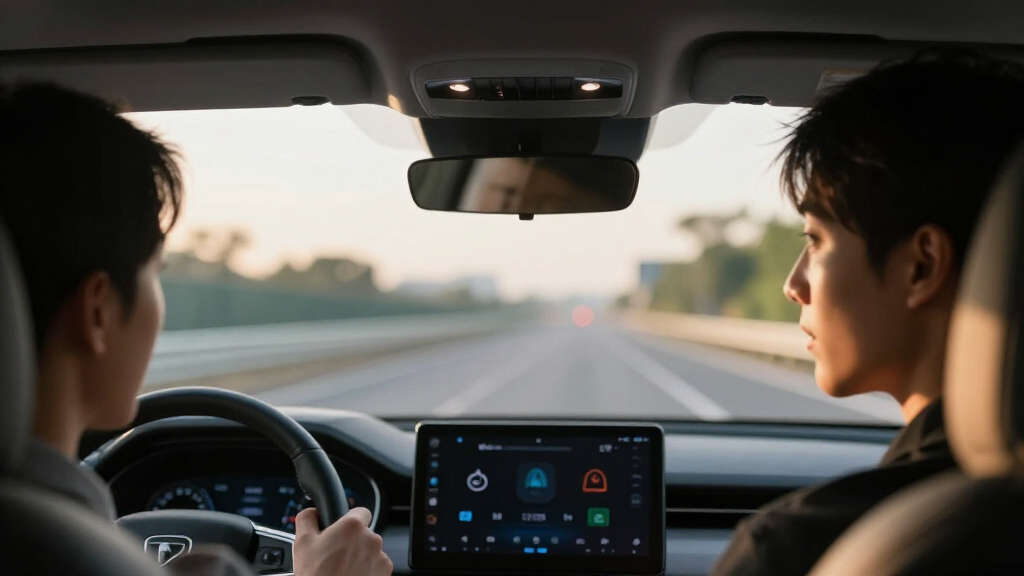
The new systems use a combination of sensors, cameras, and artificial intelligence to monitor driver behavior and physiological cues, such as eye movement, head position, and steering inputs. When signs of distraction are detected, the system can issue alerts or even temporarily intervene to regain driver focus. Several automakers and tech companies have announced ongoing pilot programs, with some prototypes already undergoing road testing.According to industry sources, these smart rearview mirrors are designed to analyze driver attention in real time, providing early warnings that could prevent accidents. Unlike traditional safety features that react after an incident, this technology aims to predict and prevent unsafe driving behaviors proactively. The system’s ability to detect distraction before the driver is consciously aware of it marks a significant advancement in driver-assistance technology.While specific brands and models have not been publicly confirmed, experts suggest that this innovation could become standard in future vehicles, especially as automakers seek to meet increasingly stringent safety regulations and consumer demand for smarter cars.Impact of Early Distraction Detection on Road Safety
This technology could significantly reduce the number of accidents caused by driver distraction, which is a leading factor in road crashes worldwide. By alerting drivers before they realize they are distracted, the system offers a proactive safety measure that could save lives and reduce injuries. It also signals a shift toward more intelligent, anticipatory vehicle systems that monitor driver states continuously. However, the effectiveness, reliability, and acceptance of such systems remain to be proven in large-scale deployments.
smart rearview mirror with driver distraction detection
As an affiliate, we earn on qualifying purchases.
As an affiliate, we earn on qualifying purchases.
Development of Driver Monitoring Technologies in Vehicles
Over the past decade, automakers have progressively integrated driver assistance systems, such as lane departure warnings and drowsiness detection. The new smart rearview mirror concept builds on this trend by focusing on early detection of distraction, a major cause of accidents. Companies like Tesla, BMW, and startups are experimenting with similar driver-monitoring features, with some systems already available in high-end models. The push for autonomous and semi-autonomous vehicles also accelerates the development of such proactive safety features, aiming to reduce human error on the roads.
Unanswered Questions About System Reliability and Adoption
It is not yet clear how accurate or reliable these early detection systems will be in varied driving conditions, or how drivers will respond to alerts. Details about specific automakers, timelines for commercial deployment, and regulatory approval processes remain undisclosed. Additionally, concerns about false alarms and driver privacy have yet to be addressed comprehensively.
Next Steps for Testing and Potential Market Introduction
Automakers and tech firms are expected to continue testing prototypes through 2024, with some aiming for limited pilot programs in select markets. Full-scale commercial rollout could occur within the next few years if testing proves successful. Regulatory agencies may also begin developing standards for driver monitoring systems, influencing how quickly these features become standard in new vehicles.
Key Questions
How does the smart rearview mirror detect driver distraction?
The system uses sensors, cameras, and AI algorithms to monitor eye movements, head position, and steering behavior, analyzing these cues for signs of distraction.
Will this technology be available in all new cars?
It is currently in testing phases, and widespread adoption depends on regulatory approval, automaker interest, and proven reliability, which could take several years.
Could false alarms be a problem?
Yes, false positives or negatives are a concern, and manufacturers are working to refine algorithms to minimize unnecessary alerts or missed detections.
What are the privacy implications of driver monitoring systems?
Driver monitoring raises privacy questions regarding data collection and storage, which regulators and manufacturers will need to address as the technology advances.
Source: rss
Halloween Picks
halloween
As an affiliate, we earn on qualifying purchases.