TL;DR

Get business pricing on garage and car supplies
- Business-only prices and quantity discounts
- Tax-exempt purchasing
- Multiple users, one account, clear invoices
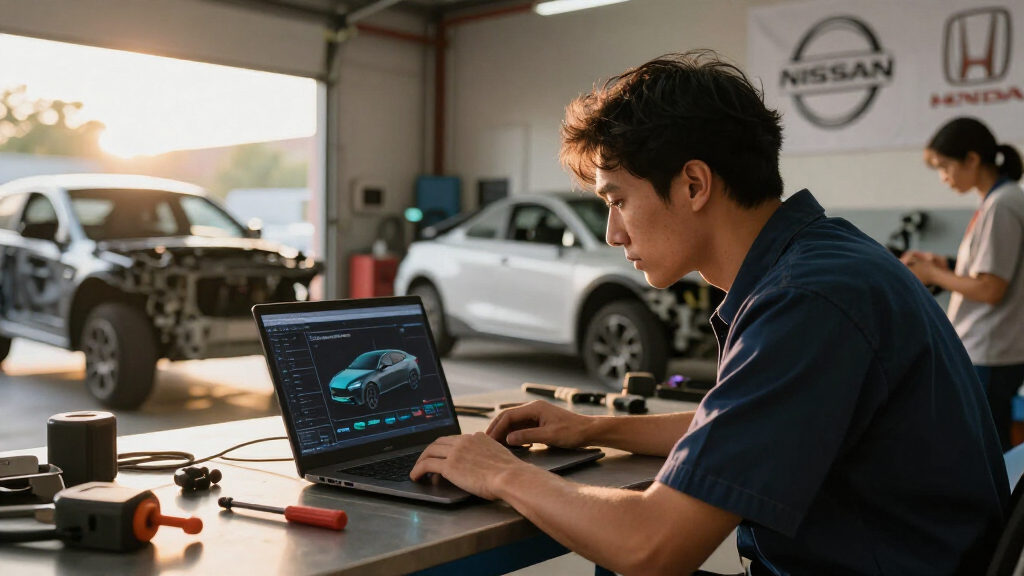
Honda and Nissan are confirmed to be collaborating on developing the central computing and AI systems for future cars. The partnership aims to accelerate autonomous driving and smart vehicle features, marking a significant industry shift.
Honda and Nissan have officially announced a partnership to develop the central AI and computing systems for future vehicles. This collaboration aims to advance autonomous driving, vehicle connectivity, and smart features, marking a significant shift in automotive technology development. The joint effort underscores the industry’s focus on AI-driven vehicle systems and could influence future standards across automakers.
According to the announcement, Honda and Nissan are pooling their resources to create a unified platform for vehicle AI and computing hardware. This initiative is part of a broader industry trend toward integrating more sophisticated autonomous and connected features into mainstream vehicles. While specific technical details remain undisclosed, sources close to the companies indicate that the collaboration will focus on developing scalable, high-performance processors and AI algorithms designed for real-time decision-making in vehicles. The partnership was confirmed through official statements from both Honda and Nissan, emphasizing their shared goal of accelerating innovation in autonomous driving and vehicle connectivity. Industry analysts view this alliance as a strategic move to compete with other tech-focused automakers and tech giants entering the automotive space. The collaboration is expected to take several years to develop, with prototypes possibly emerging within the next three to five years.Implications for Automotive Innovation and Industry Competition
This collaboration between Honda and Nissan signals a major industry shift toward shared development of core AI hardware and software for vehicles. By pooling resources, the companies aim to accelerate the deployment of autonomous and connected vehicle features, which could influence industry standards and consumer expectations. The partnership also reflects a broader trend of automakers partnering with tech companies or forming alliances to keep pace with rapid technological advances. For consumers, this could mean more sophisticated, safer, and more connected vehicles in the coming years, although specific products or features are not yet detailed. The move underscores the importance of AI and computing hardware as the ‘brains’ of future cars and highlights how traditional automakers are increasingly adopting tech-driven strategies to remain competitive.As an affiliate, we earn on qualifying purchases.
Industry Trends Toward AI-Driven Vehicles and Strategic Alliances
The automotive industry has seen a surge in investments toward autonomous driving, vehicle connectivity, and AI-powered systems over the past several years. Major automakers, including Tesla, GM, and Volkswagen, have announced or pursued their own AI initiatives. Recently, tech giants like Google and Apple have also entered the automotive space, either through partnerships or direct development of vehicle systems. The trend toward collaboration is driven by the high costs and technical complexity of developing advanced AI hardware and software. Honda and Nissan’s partnership follows similar alliances, such as Ford and Volkswagen collaborating on autonomous vehicle platforms. While details of this specific collaboration remain unconfirmed, industry experts see it as part of a broader pattern of automakers seeking shared solutions to technological challenges. The announcement comes amid rising consumer interest in autonomous and connected vehicles, and a regulatory environment increasingly focused on safety and automation standards.Unconfirmed Technical Details and Development Timeline
It is not yet clear what specific hardware or AI architectures Honda and Nissan will develop, nor when prototypes or commercial products might be available. Details about the scope of the collaboration, such as whether it includes joint manufacturing or shared software platforms, remain undisclosed. The timeline for deployment of these systems in production vehicles is also uncertain, with estimates ranging from three to five years or more. Industry insiders caution that the partnership is in early stages, and technical or strategic challenges could influence progress.Next Steps in Development and Industry Impact
Both companies are expected to begin joint research and prototype development in the coming months, with potential testing phases within two years. Further announcements may clarify technical specifics and strategic plans. Industry observers will watch for signs of how this collaboration influences vehicle features, industry standards, and competitive dynamics. The partnership could also prompt other automakers to pursue similar alliances or accelerate their own AI development efforts.Key Questions
What specific technologies will Honda and Nissan develop together?
The companies have not disclosed detailed technical specifications or specific hardware and software components. It is believed they will focus on high-performance processors and AI algorithms for autonomous driving and vehicle connectivity.
When might we see vehicles with these new systems?
Prototypes or pilot systems could emerge within the next three to five years, but commercial deployment depends on development progress and regulatory approvals.
How does this partnership compare to other industry alliances?
This collaboration is similar to other automaker alliances that aim to share costs and accelerate innovation in autonomous and connected vehicle technology. It reflects a broader industry trend toward collaboration to address technological complexity.
Will this partnership affect existing vehicle models?
It is unlikely to impact current production models immediately. The focus is on developing future systems that could be integrated into new vehicle platforms over the next several years.
While specific plans remain unconfirmed, industry analysts suggest that shared hardware and software platforms are a possible outcome, which could influence industry standards if successful.
Source: rss
Columbus Day / Indigenous Peoples' Day Picks
long weekend sales
As an affiliate, we earn on qualifying purchases.