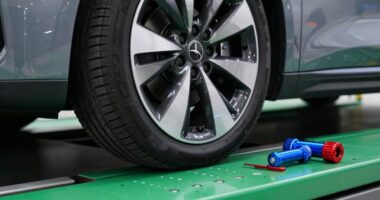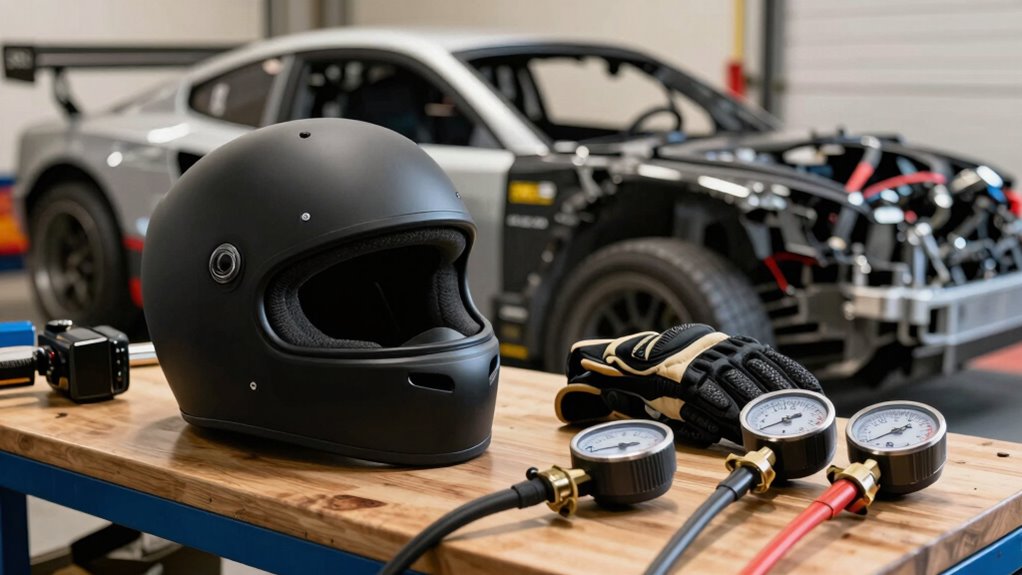

Many drivers skip essential checks like adjusting tire pressure and inspecting brake fluid before a hybrid track day. Over- or under-inflated tires can affect grip, handling, and safety, while old brake fluid reduces braking performance. Regularly monitoring these components is vital for top performance and safety. Neglecting them can lead to surprises on the track and compromise your confidence. If you want to know how to avoid these common mistakes, there’s more to discover for ideal preparation.

Get business pricing on garage and car supplies
- Business-only prices and quantity discounts
- Tax-exempt purchasing
- Multiple users, one account, clear invoices
Key Takeaways
- Drivers often neglect rechecking tire pressures during sessions, risking suboptimal handling and safety.
- Many skip inspecting brake fluid condition, leading to potential brake fade during intense laps.
- Failing to monitor tire wear signs can cause unexpected tire failures on track.
- Drivers may overlook the importance of verifying tire selection based on track conditions and driving style.
- Routine maintenance, including brake fluid flushing and tire inspection, is frequently skipped before track days.

When gearing up for a track day, it’s easy to focus on upgrading your car or practicing your laps, but overlooking crucial preparation steps can sabotage your performance and safety. Two often-neglected yet critical aspects are checking tire pressure and ensuring your brake fluid is in excellent condition. Skipping these steps might seem minor, but they can have serious consequences on how your car handles and how safe you feel on the track. Proper maintenance and inspection are vital for optimal performance. Start with tire pressure. Many drivers overlook this simple adjustment, assuming their tires are fine as long as they look good. However, proper tire pressure is essential for maximizing grip, reducing uneven tire wear, and ensuring predictable handling. Before heading out, you should check and adjust your tire pressure to match the track conditions and your vehicle’s specifications. Underinflated tires can cause excessive heat buildup and reduce cornering stability, while overinflated tires might lead to a harsher ride and less contact patch with the asphalt. Use a reliable gauge and set your tires to the recommended pressure, typically found in your car’s manual or on the door jamb sticker. Remember, tire pressures can change after driving a few laps, so it’s wise to check them again during your session if possible. Maintaining proper tire pressure is a fundamental aspect of track day preparation that often gets overlooked. Additionally, monitoring tire wear can help prevent unexpected failures during high-stress driving. Recognizing signs of tire deterioration can alert you to potential issues before they become dangerous. It’s also important to consider proper tire selection to ensure you’re using the best tires for your track conditions and driving style. Next, turn your attention to brake fluid. Many drivers neglect this essential component, assuming that it’ll last forever or that it’s not worth the hassle. The problem is, brake fluid absorbs moisture over time, which reduces its boiling point and can lead to brake fade during intense braking. On the track, where braking zones are longer and heavier, brake fade can seriously compromise your safety and lap times. Before a track day, you should inspect the brake fluid level and condition. If it’s dark or has been a while since the last change, it’s best to flush and replace it with fresh brake fluid, preferably one with a high boiling point suited for spirited driving. This simple maintenance step ensures your braking system responds consistently and reliably, giving you confidence during those critical deceleration points. Regularly checking your brake fluid condition and ensuring it’s fresh can make a significant difference in your track day experience.
As an affiliate, we earn on qualifying purchases.
Frequently Asked Questions
How Do I Choose the Right Tires for Hybrid Track Days?
To choose the right tires for hybrid track days, start by checking the tire pressure and make sure it’s optimized for your car and track conditions. Look for tires with sufficient tread depth for grip, especially on wet surfaces. Consider tires designed for high-performance or track use, which can handle the heat and stress better. Proper tire selection improves safety and performance, so don’t skip these essential steps before hitting the track.
What Are Common Signs My Hybrid Battery Needs Servicing Before a Track Day?
You might notice your hybrid battery needs servicing if battery diagnostics reveal reduced capacity or inconsistent charging efficiency. Common signs include unexpected power drops, longer charging times, or warning lights on your dashboard. It’s important to monitor these indicators closely before a track day. Regularly checking your hybrid battery guarantees peak performance, prevents breakdowns, and helps you avoid surprises on the track. Don’t ignore early signs; proactive servicing keeps your hybrid running smoothly.
How Can I Optimize Hybrid Power Settings for Better Track Performance?
To improve hybrid power settings for better track performance, start by adjusting your Power mode to maximize hybrid charging and boost acceleration. Engage the Sport mode if available, which enhances throttle response and power delivery. Monitor your hybrid’s charging levels and guarantee it’s adequately charged before hitting the track. Avoid aggressive driving that depletes the battery quickly, and consider customizing settings to balance hybrid charging with power output for ideal performance.
Are There Specific Hybrid Maintenance Tips for High-Performance Driving?
To optimize hybrid performance for high-speed driving, focus on regular hybrid maintenance. Use regenerative braking efficiently to recover energy and reduce brake wear, and guarantee hybrid cooling systems are clean and functioning well to prevent overheating. Check coolant levels frequently, especially before track days, and monitor battery health. Keeping these systems in top shape helps maximize power, efficiency, and safety during intense driving sessions.
What Safety Gear Is Recommended Specifically for Hybrid Vehicle Drivers?
You’ll want to gear up with safety equipment that makes you feel invincible, yet still protects you from hybrid-specific risks. Think fire-resistant gloves and a helmet for hybrid battery safety, plus insulated tools to prevent electric shock. Don’t forget electric motor protection gear, like insulated mats or suits, in case you need to work near high-voltage components. Safety first—because even adrenaline junkies need to respect that hybrid powertrain!
Conclusion
Skipping these essential prep steps is like racing with a blindfold—you might feel the thrill, but you’re risking everything. Don’t let shortcuts turn your track day into a crash course in regret. Think of your preparation as the steady engine beneath a roaring engine—without it, you’re just noise. Take the time to check every detail; it’s your secret weapon to keep the thrill alive and the risks at bay, turning every lap into a victory dance.
Fall Picks
fall essentials
As an affiliate, we earn on qualifying purchases.