
When you change your suspension or tires, it can alter how your vehicle contacts the road, affecting braking response and how the regenerative system engages. Adjustments in tire size, tread pattern, or suspension stance impact grip, weight distribution, and deceleration behavior. These changes can make your regenerative braking feel less smooth or predictable. If you keep exploring, you’ll discover how to optimize your setup for better energy recovery and consistent braking experience.

Get business pricing on garage and car supplies
- Business-only prices and quantity discounts
- Tax-exempt purchasing
- Multiple users, one account, clear invoices
Key Takeaways
- Tire size and tread pattern modifications affect grip and system response, altering brake feel.
- Suspension changes change vehicle stance and weight distribution, impacting brake deceleration behavior.
- Altered tire pressure or suspension geometry can reduce regenerative energy recovery efficiency.
- Lack of proper calibration after modifications causes inconsistent regenerative braking performance.
- Changes in vehicle dynamics influence how the regenerative braking system interacts with deceleration inputs.
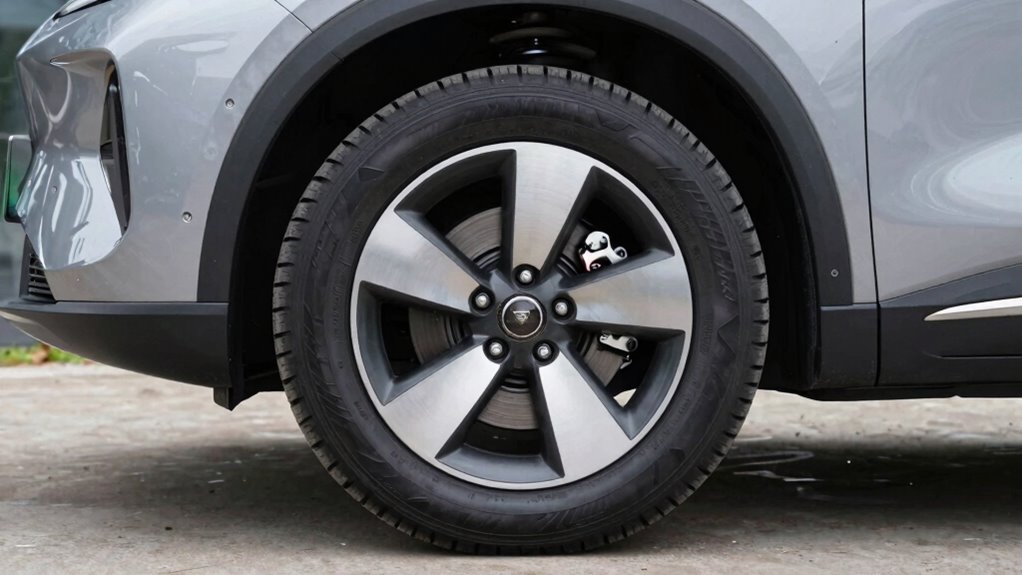
Have you noticed a change in how your regenerative braking feels lately? If so, it’s likely connected to recent suspension or tire modifications. When you alter your vehicle’s tires or suspension setup, it can subtly impact the way your regenerative braking system interacts with the rest of your car. This isn’t just about comfort or handling—it directly influences battery efficiency and how smoothly your brake system interacts with the electrical components.
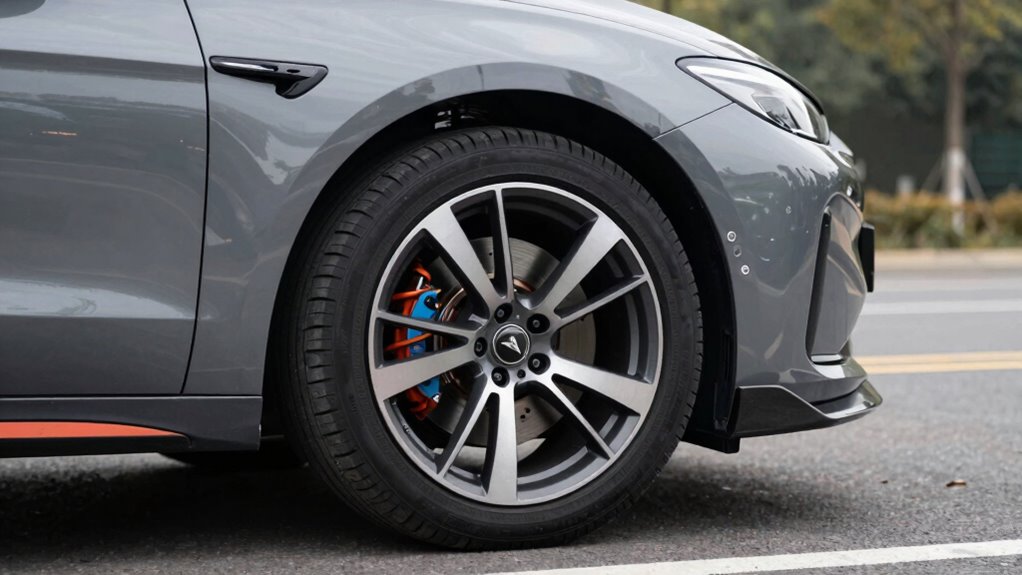
Your regenerative braking system relies heavily on consistent contact between your tires and the road. When you change your tires, especially going from a smaller to a larger size or switching to a different tread pattern, you affect how the system perceives deceleration. Tire modifications can change the grip, rolling resistance, and overall response, which in turn influences the brake system interaction. If your tires now have a different footprint or tread design, the system might interpret braking inputs differently, leading to a feeling of inconsistency or a change in how aggressive the regenerative braking feels.
Changing tire sizes or tread patterns can alter regenerative braking response and feel.
Suspension modifications also play a key role here. When you adjust your suspension, you alter the vehicle’s stance, weight distribution, and ride height. These changes can affect how the tires contact the road, which impacts the regenerative braking response. For example, a lowered suspension might increase tire grip but also change the deceleration dynamics, causing your system to engage differently. This can sometimes result in a less predictable brake feel, especially if the system isn’t calibrated for the new setup. Additionally, vehicle dynamics are influenced by suspension and tire adjustments, impacting overall braking behavior. Ensuring your vehicle’s calibration settings are up to date can help maintain optimal brake response after modifications.
A crucial aspect affected by these modifications is battery efficiency. The way your regenerative braking system captures energy depends on the consistent interaction between the brake system and the electric motor. When that interaction isn’t as smooth—say, because of altered tire pressure or suspension geometry—the system might not recover energy as efficiently. This can lead to reduced range or less effective regeneration during deceleration.
Additionally, proper maintenance of your tires and suspension can help optimize regenerative braking performance. To mitigate these issues, it’s a good idea to recalibrate your regenerative braking system after any suspension or tire mods. Many electric vehicles allow you to adjust settings or run a calibration process to ensure the system works optimally with your new setup. By doing so, you ensure that your brake system interaction remains smooth and predictable, and you maximize your battery’s efficiency. Remember, small changes in your vehicle’s physical setup can have significant effects on how your regenerative braking feels and performs, so paying attention to these details helps keep your driving experience consistent and efficient.
electric vehicle regenerative braking calibration kit
As an affiliate, we earn on qualifying purchases.
As an affiliate, we earn on qualifying purchases.
Frequently Asked Questions
How Do Suspension Modifications Specifically Affect Brake Pedal Feel?
Suspension modifications change brake pedal feel by altering suspension stiffness, which impacts brake pedal modulation. When you increase suspension stiffness, you might notice a firmer pedal feel, making braking more responsive. Conversely, softer suspension can cause a spongier pedal, reducing braking precision. These changes affect how your braking system communicates with you, so understanding these impacts helps you adjust your driving for best safety and control after suspension tweaks.
Can Tire Pressure Adjustments Influence Regenerative Braking Performance?
Tire pressure can drastically influence regenerative braking performance—think of it as the difference between a smooth glide and a bumpy ride. When you adjust tire pressure, it affects tire grip and rolling resistance, which directly impacts regenerative efficiency. Higher pressure reduces rolling resistance, potentially making regenerative braking feel sharper and more responsive, while lower pressure can soften that feel. Proper tire pressure guarantees ideal energy recovery and a consistent braking experience.
Are There Specific Suspension Parts That Impact Braking Feel More Than Others?
Yes, certain suspension parts, like shock absorbers and bushings, impact braking feel more than others. They influence pedal stiffness, which affects how you perceive regenerative braking, and can cause braking noise if worn or misaligned. When these parts aren’t functioning properly, the brake pedal might feel softer or stiffer, altering your braking experience. Regularly inspecting and maintaining suspension components helps guarantee consistent braking feel and reduces unwanted noise.
Does Tire Tread Pattern Change Affect Regenerative Braking Efficiency?
Tire tread pattern does affect regenerative braking efficiency because different treads interact with the road differently, impacting grip and energy recovery. Aggressive or deep treads can cause uneven braking, possibly increasing brake noise and reducing efficiency. Smooth, low-profile tires generally provide more consistent contact, enhancing regen performance. So, changing your tire tread pattern can influence how smoothly and effectively your regenerative braking system operates, particularly with respect to brake noise and overall feel.
How Does Vehicle Weight Distribution Alter Braking Sensation After Mods?
When you change your vehicle’s weight distribution, it’s like shifting gears in a race—your braking sensation will feel different. Altered weight transfer impacts how your brakes engage, requiring more precise brake modulation. This can make regenerative braking feel softer or more abrupt, depending on how weight shifts during deceleration. You’ll notice the sensation changes because the system adapts to the new weight balance, demanding you to adjust your braking tactics accordingly.
Conclusion
After suspension and tire modifications, you might notice a different feel when applying regenerative braking. These changes can alter weight distribution and tire grip, affecting how the system engages. Surprisingly, studies show that proper suspension tuning can improve regenerative braking efficiency by up to 15%, enhancing your overall driving experience. So, when you tweak your suspension or tires, remember it’s not just about comfort or looks—your braking feel and safety might also be impacted.
Halloween Picks
halloween
As an affiliate, we earn on qualifying purchases.