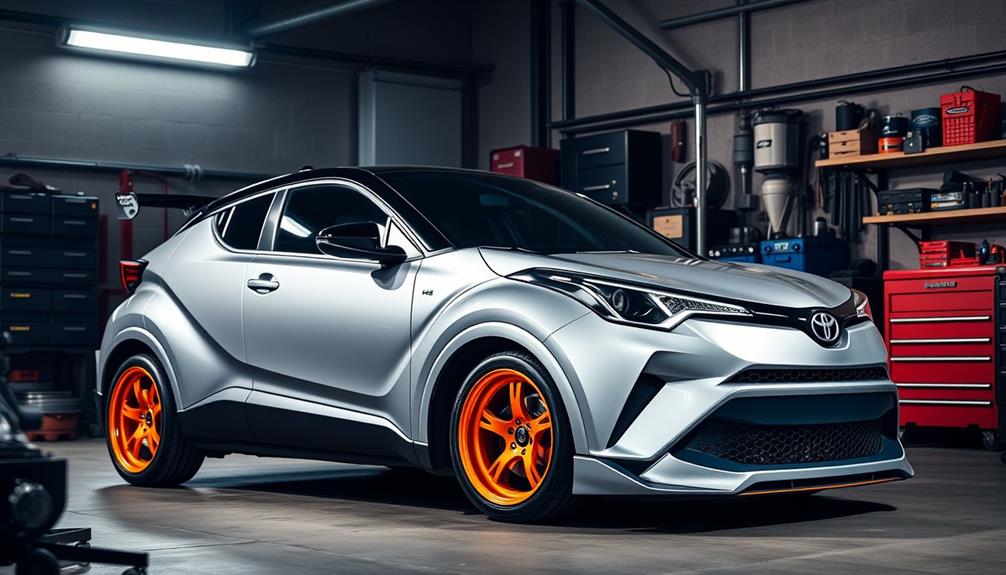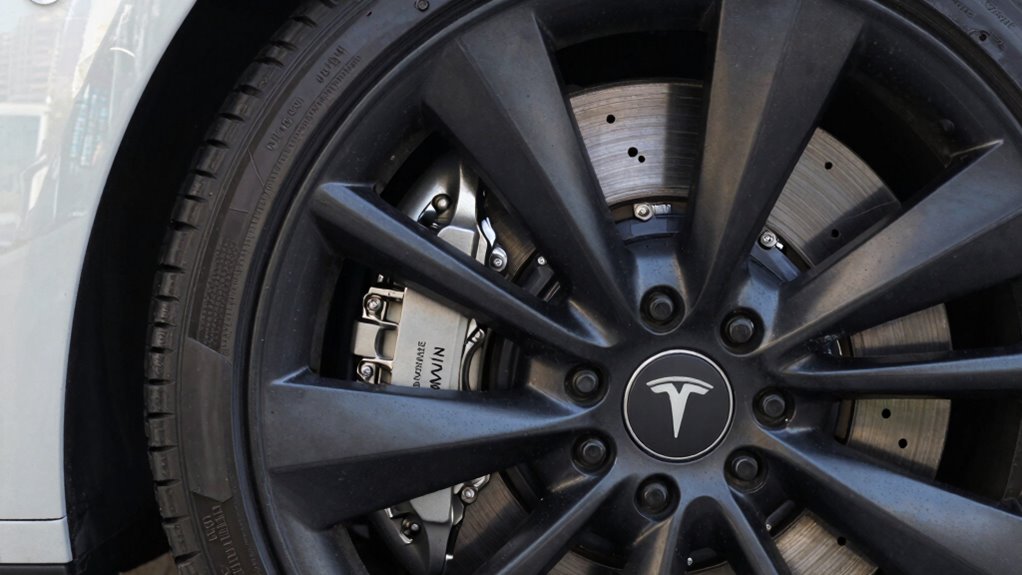

Before upgrading your Tesla or hybrid’s brakes, ask yourself if it’s for performance or daily safety, and consider how upgrades impact heat management. Make certain new components won’t interfere with your vehicle’s cooling system or battery cooling, which are essential for safety and longevity. Think about how extra heat might transfer and plan cooling enhancements if needed. If you want to guarantee your upgrade is safe and effective, there’s more important info to explore ahead.

Get business pricing on garage and car supplies
- Business-only prices and quantity discounts
- Tax-exempt purchasing
- Multiple users, one account, clear invoices
Key Takeaways
- Is the brake upgrade aligned with your driving habits, like performance driving or daily commuting?
- How does the upgrade affect heat dissipation and thermal management of the braking system?
- Will the modifications impact battery cooling or overall vehicle safety?
- Are the new brakes compatible with the vehicle’s existing cooling and thermal management systems?
- Have you planned for additional cooling solutions to prevent overheating and maintain reliability?
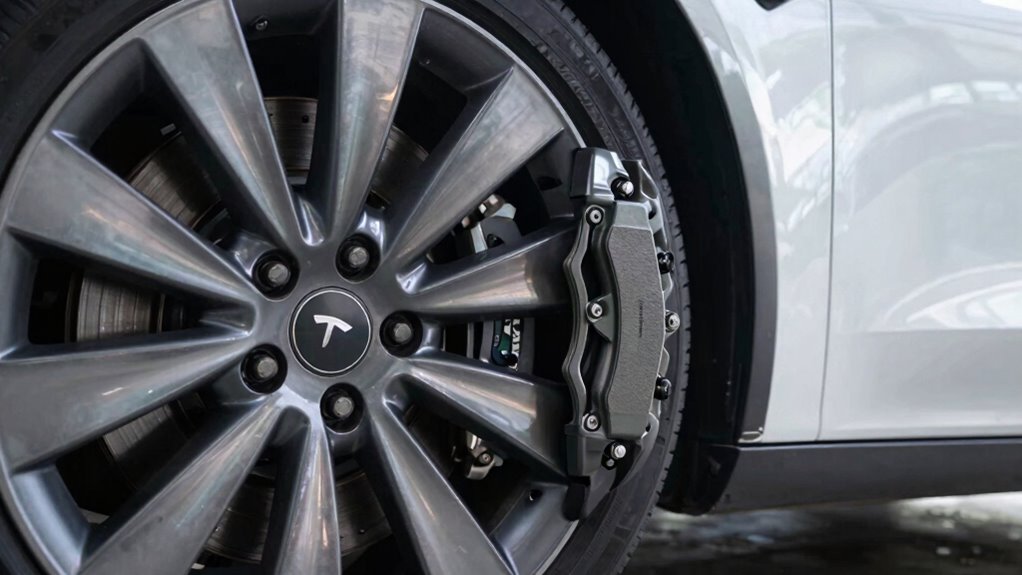
If you own a Tesla or a hybrid vehicle, you might be considering a brake upgrade to improve stopping power or enhance safety. Before diving into any modifications, it’s vital to ask the right questions to guarantee you’re making a smart, informed decision. One of the first questions should be about your goals: Are you seeking better performance braking for spirited driving, or are you more concerned with reliability and safety in everyday use? Performance braking upgrades can provide shorter stopping distances and better pedal feel, but they often require more frequent maintenance and may generate additional heat. Understanding your driving habits will help you determine whether a high-performance brake system is worth the investment.
Another essential aspect to contemplate is how the upgrade might affect your vehicle’s overall thermal management, particularly around battery cooling. Hybrids and electric vehicles like Tesla rely heavily on efficient battery cooling systems to maintain ideal performance. When you upgrade your brakes, especially with larger rotors or more aggressive pads, you could inadvertently influence heat dissipation around the braking system. Excess heat can transfer to other components, including the battery pack, potentially impacting its cooling efficiency and longevity. So, ask whether the brake upgrade you’re considering accounts for thermal management and if any additional cooling enhancements are necessary. Additionally, understanding how brake upgrades interact with the vehicle’s existing cooling systems can be crucial for maintaining overall safety and performance. Incorporating thermal transfer considerations into your planning can help prevent unintended consequences and ensure your vehicle remains reliable. It’s also beneficial to consider how thermal management strategies can be optimized when planning a brake upgrade to prevent overheating issues. Conducting a thorough review of your vehicle’s thermal management options can provide insights into preventing overheating and maintaining efficiency.
As an affiliate, we earn on qualifying purchases.
Frequently Asked Questions
How Does Brake Upgrade Affect Warranty Coverage?
A brake upgrade can impact your warranty coverage, especially if the modifications void or alter original components. You should check warranty implications before upgrading, as some manufacturers may deny coverage for issues caused by non-standard parts. Additionally, a quality upgrade can improve upgrade longevity, but poor installation or incompatible parts might lead to early wear or damage. Always consult your vehicle’s warranty policy and a professional technician before proceeding.
Are There Specific Brake Upgrades for Different Tesla Models?
Did you know Tesla offers model-specific performance braking options? Yes, different Tesla models require tailored upgrades like custom rotors designed for guaranteed efficiency and safety. For example, Model S benefits from upgraded performance braking systems that enhance stopping power, while Model 3 may need lighter, more responsive components. Always choose brake upgrades compatible with your Tesla model to achieve maximum performance and safety without risking warranty issues.
What Is the Typical Lifespan of Upgraded Brakes?
The typical lifespan of upgraded brakes varies based on brake material and driving habits, but you can generally expect 30,000 to 70,000 miles. High-performance materials like ceramic often last longer and resist brake fade better under intense use, while standard pads may wear faster. Regular inspections help you monitor wear and guarantee peak performance, especially if you frequently drive in demanding conditions or engage in spirited driving.
Can Brake Upgrades Improve Regenerative Braking Efficiency?
Did you know regenerative braking can recover up to 70% of energy? Upgrading your brakes can indeed improve regenerative efficiency, especially if the new brakes are compatible with your vehicle’s system. Choosing brake components designed for better compatibility helps maximize energy recovery during deceleration. This not only boosts efficiency but also reduces wear on traditional brake parts, leading to better overall performance and longer-lasting brake systems.
How Do Upgraded Brakes Impact Vehicle Resale Value?
Upgraded brakes can boost your vehicle’s resale value by appealing to buyers seeking better performance or safety, especially if you choose high-quality brake materials like ceramic or carbon-ceramic options. However, consider the upgrade costs, as premium materials and installation might be expensive. If the upgrade considerably enhances safety and performance, it can make your vehicle more attractive, but be prepared for the investment and how it aligns with the market value.
Conclusion
Before upgrading your brakes, ask yourself: are you truly prepared for the journey ahead? Just as a lighthouse guides ships safely to shore, the right questions illuminate the path to a smarter, safer upgrade. Don’t let haste steer you off course—your vehicle’s safety is the anchor that keeps you grounded. With thoughtful questions, you guarantee every mile is a proof of your commitment to safety and precision. Drive with confidence; your peace of mind is worth the effort.
Fall Picks
fall essentials
As an affiliate, we earn on qualifying purchases.