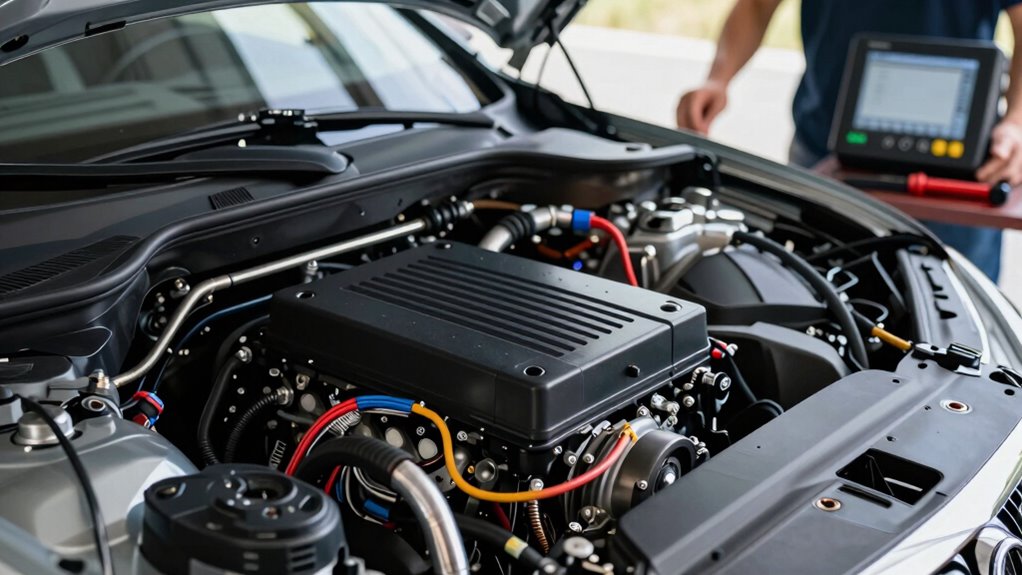

When considering ECU tuning, many beginners overlook how it can void your vehicle’s warranty or make it non-compliant with emissions laws. You might improve performance, but if laws change or your car isn’t compliant, you could face fines or legal trouble. Regulations vary by region, and not all modifications are approved. Staying informed about local rules helps prevent costly mistakes. If you want to understand the full legal picture, there’s more you should know before proceeding.

Get business pricing on garage and car supplies
- Business-only prices and quantity discounts
- Tax-exempt purchasing
- Multiple users, one account, clear invoices
Key Takeaways
- ECU tuning can void the manufacturer warranty, especially if it causes damage or if the vehicle is under certified pre-owned programs.
- Modifying ECU settings may alter emissions, risking violations and failed inspections depending on local regulations.
- Laws regarding ECU modifications vary by region and are subject to change, so staying informed prevents legal infractions.
- Not all ECU tuning products are approved; using unapproved modifications can lead to legal penalties and non-compliance issues.
- Maintaining legal compliance is crucial for street legality, vehicle value, and avoiding costly legal or repair consequences.
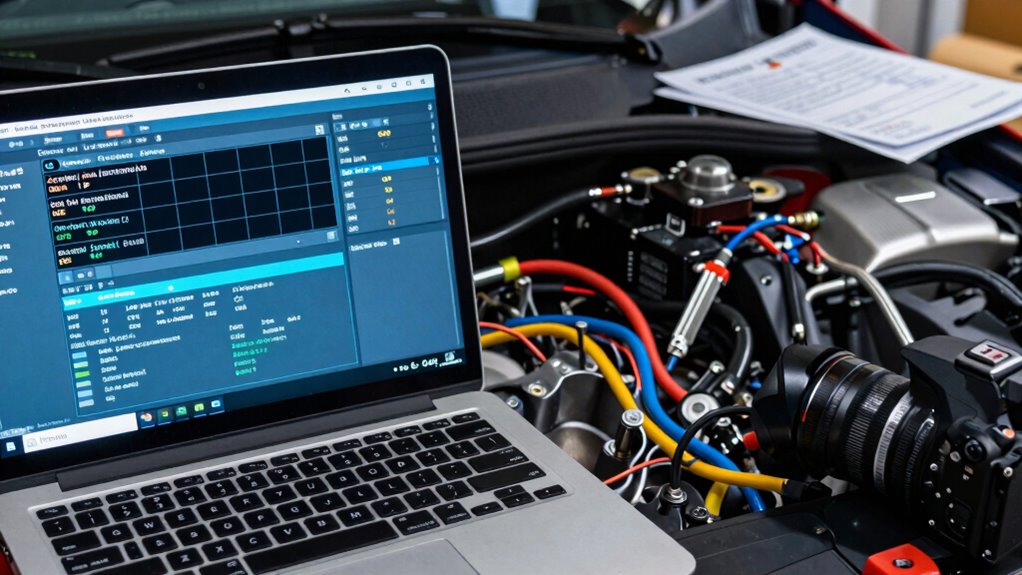
Have you ever wondered whether tuning your ECU is legal? It’s a question many beginners overlook when they’re eager to boost their vehicle’s performance. While the idea of customizing your car to better suit your driving style can be tempting, it’s essential to understand the legal landscape surrounding ECU tunes. One of the first things to ponder is how such modifications can affect your vehicle’s warranty implications. Automakers often specify that tampering with the ECU voids the warranty, especially if the tune causes damage or repairs are needed. If you’re not careful, you could find yourself paying out of pocket for issues that might have been covered had you kept the stock settings intact. This risk becomes even more significant if your car is still under manufacturer warranty or a certified pre-owned program. Many manufacturers are strict about maintaining original factory conditions, and tuning your ECU can sometimes be seen as a breach of those terms.
Additionally, emissions regulations play a key role in determining the legality of ECU tuning. In many regions, vehicles must meet strict emissions standards to be street-legal. When you tune your ECU, you often alter the engine’s air-fuel mixture, exhaust timing, or other critical parameters, which can lead to increased emissions. This not only risks violating local laws but also can cause your vehicle to fail emissions inspections. Some tuners claim their adjustments help optimize emissions, but this isn’t always guaranteed, especially if the tune is designed solely for performance gains. If your car no longer complies with emissions regulations, you could face hefty fines, penalties, or even the inability to register your vehicle until it’s brought back into compliance. Compliance with regulations is crucial to avoid legal issues and ensure your vehicle remains street-legal. It’s also worth noting that regulatory agencies are increasingly scrutinizing modified vehicles, making legality of modifications an important consideration before tuning. Additionally, understanding the regulatory environment in your area can help you avoid unintentional violations, as laws regarding ECU modifications continue to evolve. Being aware of potential legal consequences can help you make informed decisions and prevent costly repercussions.
Beyond legal concerns, it’s wise to think about the broader implications of ECU tuning. While many tuners market their products as safe and compliant, the reality is that not all modifications are approved by regulatory bodies. The landscape varies depending on where you live, so what’s legal in one state or country might be illegal elsewhere. Before proceeding, it’s smart to research local laws and consult professionals who understand the regulatory environment. By doing so, you protect yourself from potential legal issues, costly repairs, and the risk of losing your vehicle’s warranty. In the end, knowledge and caution are your best tools when it comes to making modifications like ECU tuning.
As an affiliate, we earn on qualifying purchases.
Frequently Asked Questions
Are ECU Tunes Legal in All States or Countries?
ECU tunes aren’t legal everywhere; regulations vary by state and country. You need to take into account environmental regulations, as some tunes might increase emissions beyond legal limits. Additionally, insurance implications could arise if your modifications cause issues or accidents, possibly voiding coverage. Always research local laws and consult with professionals before tuning your vehicle. Being informed helps you avoid legal trouble and ensures you’re compliant with environmental and insurance standards.
Can Tuning Void My Vehicle’s Warranty?
Tuning your vehicle can void your warranty, especially if the modifications cause damage or are linked to the issue. Warranty concerns often arise because manufacturers may see custom ECU tunes as altering factory settings. While you might enjoy performance gains, be aware that these modifications could limit your warranty coverage. Always check your manufacturer’s policy before tuning, and consider keeping stock settings as backup to avoid surprises.
Do I Need to Notify Authorities About My ECU Tune?
You generally don’t need to notify authorities about your ECU tune, but it can impact your insurance implications and resale value. Some insurers might view modifications like tuning as a risk, potentially affecting coverage or premiums. Plus, if you plan to sell your vehicle, a tuned ECU can either boost resale value or raise concerns for buyers. Always check local laws and your insurance policy to avoid surprises.
Are There Specific Licenses Required for Tuning ECUS Professionally?
Think of ECU calibration as steering through a legal minefield—you need the right map. If you’re tuning ecus professionally, you often require specific licenses to operate legally. These professional licensing requirements vary by state or country, so you should check local regulations. Without proper licenses, you risk hefty fines or legal trouble. Ensuring you have the appropriate certifications not only keeps you compliant but also builds trust with your clients.
How Do Emissions Regulations Impact ECU Tuning Legality?
Emissions regulations considerably impact the legality of ECU tuning because environmental compliance is mandatory. If your tune exceeds legal emissions limits, regulatory enforcement can lead to fines or vehicle impoundment. You must guarantee your ECU modifications adhere to local standards to avoid legal issues. Always stay informed about your area’s emissions laws to keep your tuning within legal boundaries and prevent costly penalties or compliance violations.
Conclusion
So, before you plunge into tuning your ECU, remember that it’s not just about boosting performance — there’s a legal side to take into account. Ignoring these rules could land you in hot water, like a ship without a compass in stormy seas. Stay informed, get the right approvals, and respect local laws. Think of it as your own personal quest for automotive greatness, just like the knights of old, but with a modern twist. Drive smart and stay legit!
Fall Picks
fall essentials
As an affiliate, we earn on qualifying purchases.