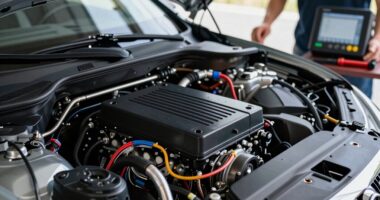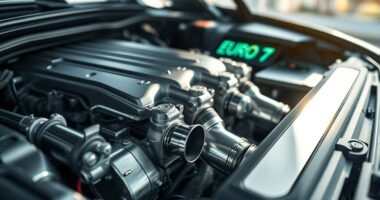

Euro 7 regulations will restrict traditional modifications like aftermarket exhausts and ECU tuning, making it harder to boost performance without risking non-compliance. You’ll need to focus on innovative, emissions-compliant solutions such as advanced catalytic converters or optimized air intake systems. Staying informed about evolving standards is vital to keep your projects legal and effective. If you want to explore how to adapt and succeed within these new limits, there’s more valuable insights to discover.

Get garage and car supplies delivered free — and shop member deals
- Fast, free delivery on millions of items
- Access to Prime Big Deal Days deals on October 6–7
- Prime Video, Amazon Music and more included
Key Takeaways
- Stricter emission limits will restrict major modifications like aftermarket exhausts and ECU tuning, requiring innovative, compliant solutions.
- Future tuning must prioritize legal, subtle performance enhancements to stay within evolving Euro 7 standards.
- Emission control technologies, such as advanced catalytic converters, will become essential for street-legal tuning.
- Collaboration with manufacturers of compliant parts will be crucial to maintain performance while ensuring legality.
- The development of hybrid and electric conversions may offer alternative pathways for high-performance, street-legal vehicles.
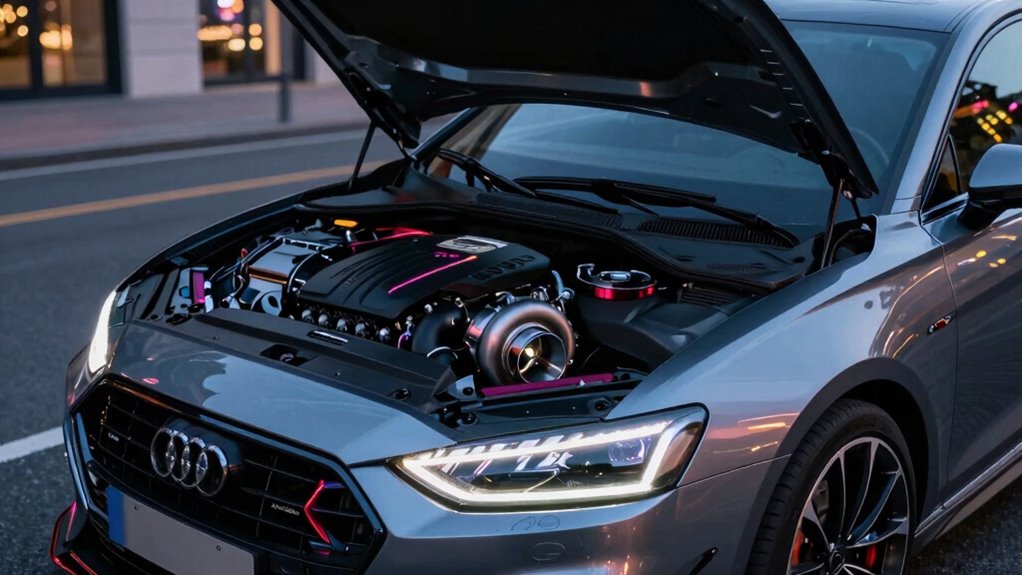
As emissions regulations tighten with the upcoming Euro 7 standards, automotive enthusiasts and tuners are already looking ahead to how these changes will shape future projects. The new standards will considerably impact what’s possible when it comes to performance modifications, especially for street-legal vehicles. You’ll need to rethink your approach to tuning, as stricter emission regulations aim to reduce pollutants but also place limits on how much you can modify your car’s exhaust system, fuel delivery, and other critical components. This means that future projects will have to balance performance gains with compliance, making it more challenging but also more rewarding to push the limits of your vehicle.
Euro 7’s tighter emission regulations are designed to cut down on nitrogen oxides, particulate matter, and other harmful emissions. For tuners, this translates into a narrower window for performance modifications that once might have been straightforward. For example, adding aftermarket exhausts or tuning your ECU for more power could trigger increased emissions, risking non-compliance. As a result, you’ll need to explore innovative solutions that maintain or improve performance without violating regulations. Technologies like advanced catalytic converters, particulate filters, or even alternative fuels could become essential parts of your tuning arsenal. Additionally, emission standards will continue to evolve, requiring tuners to stay informed and adaptable. Staying ahead means keeping up with the latest developments in emission technology, which is constantly advancing to meet stricter standards.
Euro 7 limits performance mods, pushing tuners toward innovative, emission-compliant solutions like advanced catalysts and alternative fuels.
You’ll also find that emission regulations increasingly influence the types of modifications you can legally perform. In some cases, what’s permissible today might be outlawed tomorrow, forcing you to stay updated on changing laws. To stay ahead, you might consider focusing on subtle performance enhancements that don’t markedly alter emission levels—like optimizing air intake or improving aerodynamics—rather than large-scale modifications that could push your vehicle beyond legal limits. Additionally, working with manufacturers who design emissions-compliant performance parts can help you enjoy gains without risking legal issues. With the regulatory landscape becoming more complex, understanding compliance strategies will be essential for successful tuning projects.
At the same time, these regulations could inspire innovation in the tuning community. You might develop or adopt more sophisticated engine management strategies that maximize power while keeping emissions in check. Hybrid and electric conversions could also become more popular among tuners looking to bypass traditional emission constraints altogether. In the end, Euro 7 isn’t just about restrictions; it’s about challenging you to find smarter, cleaner ways to enhance your vehicle’s performance. While the landscape will evolve, your creativity and knowledge will be key to making future street-legal projects successful, even under tighter emission regulations.
advanced catalytic converters for cars
As an affiliate, we earn on qualifying purchases.
As an affiliate, we earn on qualifying purchases.
Frequently Asked Questions
Will Euro 7 Regulations Affect Older Vehicle Modifications?
Euro 7 regulations will likely impact older vehicle modifications, especially with vintage preservation enthusiasts. They may face stricter emissions testing, making it harder to keep modified classics street-legal. You’ll need to guarantee your vehicle meets new standards, possibly requiring adjustments or updates to emissions systems. This could limit your options for tuning and modifications, emphasizing the importance of staying informed about evolving emissions rules to preserve your vintage vehicle’s legality.
How Might Euro 7 Impact the Cost of Tuning Projects?
Picture your tuning dreams as a finely tuned engine, but Euro 7 standards are tightening the bolts. As emission standards grow stricter, aftermarket parts become more complex and costly, making your project feel like chasing a mirage. You might need to invest more in compliant upgrades, boosting overall costs. While your passion remains, expect the price tag to climb, turning your street-legal masterpiece into a more expensive pursuit.
Are There Any Exemptions Under Euro 7 for Custom Builds?
Under Euro 7, there are limited emissions exemptions for custom builds; however, aftermarket restrictions might still apply. You may find some emission exemptions for specific low-volume or historic vehicles, but generally, strict regulations target aftermarket modifications. If you’re working on a custom build, it’s essential to check local regulations carefully, as Euro 7 aims to tighten controls, potentially limiting the scope of legal tuning options for street-legal projects.
Will Euro 7 Lead to New Tuning Technologies or Innovations?
Euro 7 will likely push you to develop new tuning innovations focused on emission compliance. As regulations tighten, you’ll need to explore advanced exhaust systems, hybrid tech, or even electrification to stay legal. This shift encourages creative solutions, making your projects more eco-friendly without sacrificing performance. While challenging, it can also open doors to cutting-edge tuning techniques that balance power with environmental responsibility.
How Soon Will Euro 7 Standards Be Enforced Across Europe?
Euro 7 standards will likely be enforced across Europe in the next few years, aiming for a dramatic overhaul of emission testing. Picture stricter regulations that make aftermarket components seem like relics of the past, forcing tuners to adapt quickly. You’ll need to stay updated on emission testing requirements and new technologies, as compliance will become mandatory soon. Expect a seismic shift in the tuning scene, with regulations tightening relentlessly.
Conclusion
As Euro 7 looms on the horizon, it’s clear that future street-legal tuning projects will face new challenges—like maneuvering through a maze with tighter walls. But remember, every obstacle sparks innovation; it’s your chance to turn restrictions into opportunities. So, embrace the challenge, get creative, and let your passion drive you. After all, isn’t the thrill of pushing boundaries what truly makes tuning a never-ending adventure?
Halloween Picks
halloween
As an affiliate, we earn on qualifying purchases.