
TL;DR

Get business pricing on garage and car supplies
- Business-only prices and quantity discounts
- Tax-exempt purchasing
- Multiple users, one account, clear invoices
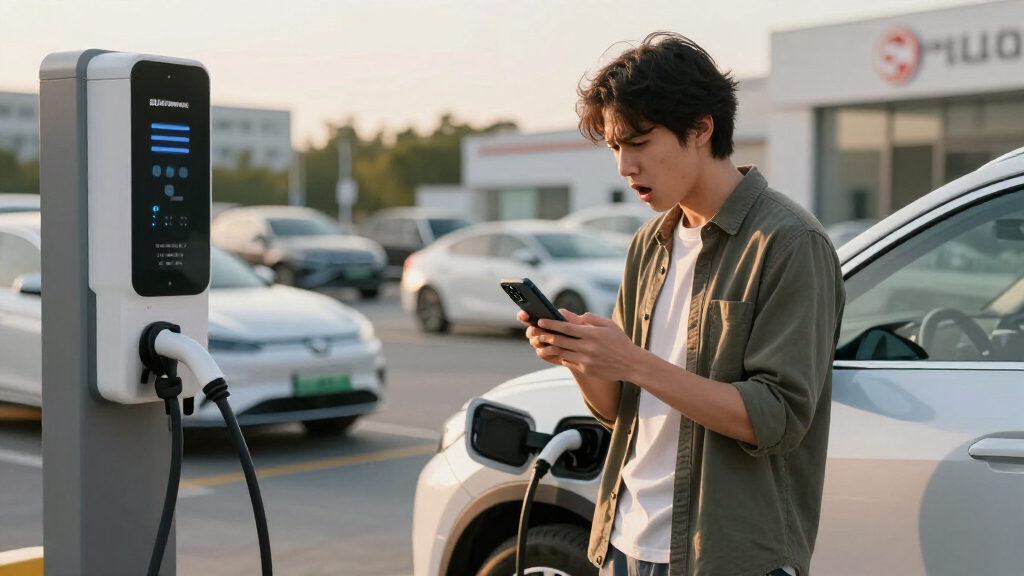
A driver renting an electric vehicle was unexpectedly billed $418 after charging at a dealership’s public charger. The incident highlights issues around charging costs and transparency for EV users, with questions remaining about billing practices.
An electric vehicle (EV) renter was hit with a $418 charging bill after using a dealership’s public charging station, according to reports. This incident has raised concerns about unexpected costs and transparency in EV charging practices, especially at dealership facilities where many EV owners and renters charge regularly.
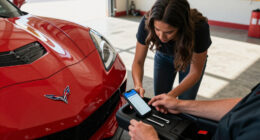
The driver, whose identity has not been publicly disclosed, used a dealership’s public charging station to recharge their EV. Upon receipt of the bill, the renter was surprised to see a charge of $418, significantly higher than typical charging fees. The dealership has not yet responded to inquiries about the billing details or whether this fee reflects a policy or a possible error.
Sources familiar with the case indicate that the charging session lasted approximately two hours, during which the vehicle’s battery was replenished. The bill was issued through the charging network’s app, which showed a per-kWh rate that appeared unusually high. Experts note that EV charging costs can vary widely, but such a steep fee is uncommon and raises questions about the transparency and regulation of public charging fees at dealership sites.
Industry analysts say that while some public chargers have variable pricing depending on location and time, a bill of this magnitude is rare and could point to either a miscalculation, a technical glitch, or an undisclosed fee structure. The incident has sparked a broader discussion about the need for clearer pricing disclosures and consumer protections in the EV charging ecosystem.
Implications for EV Charging Cost Transparency
This incident underscores the importance of transparency and clear communication regarding EV charging costs. As electric vehicles become more common, drivers rely heavily on public chargers, especially at dealerships, which often serve as accessible charging points. Unexpected or opaque fees can erode consumer trust and hinder adoption. Regulators and industry stakeholders may need to consider stricter guidelines to ensure pricing transparency and prevent billing disputes that could discourage EV use.
As an affiliate, we earn on qualifying purchases.
Rising Concerns Over Public Charging Fees at Dealerships
The EV charging market has seen rapid growth, with many dealerships installing public chargers to attract potential buyers and service customers. However, the lack of standardized pricing and inconsistent disclosures have led to several reports of unexpectedly high charges. While most public chargers operate with clear per-kWh or per-minute rates, some locations have been criticized for unclear fee structures or sudden rate increases. This incident adds to a growing trend of EV users questioning the fairness and transparency of charging costs, especially at commercial sites where billing practices are less regulated.
Industry data show that while the average charging cost varies regionally, bills exceeding $100 are uncommon for typical charging sessions. The $418 bill in this case is an outlier, prompting calls for more oversight and better consumer information. It is not yet confirmed whether this incident is isolated or indicative of a broader issue with dealership charging stations.
As EV adoption accelerates, the industry faces increased scrutiny over charging infrastructure practices, with some advocates calling for standardized pricing disclosures and consumer protections to prevent surprises like this.
Unclear Details on Billing and Dealer Policies
It is not yet confirmed whether the $418 bill resulted from a technical error, a miscommunication, or an undisclosed pricing policy. The dealership has not publicly responded to inquiries, and the specifics of the charging network’s rate structure at this location remain unclear. Further investigation is needed to determine if this is an isolated incident or part of a broader pattern.
Next Steps for Consumer Protections and Industry Oversight
Regulators and industry groups are expected to review this incident and examine the transparency of charging fees at dealership and public charging stations. Consumers are advised to verify rates beforehand and monitor their bills closely. The charging network involved may also update its policies or provide clearer disclosures to prevent similar surprises. Further developments will likely include official statements from the dealership and regulatory guidance on fair billing practices for EV charging.
Key Questions
Why was the bill so high compared to typical charging costs?
The exact reason is unclear, but it could be due to a technical error, a high per-kWh rate, or an undisclosed fee structure. Further investigation is needed.
Are dealership charging stations more expensive than public chargers elsewhere?
Pricing varies widely, but most public chargers have transparent rates. Outliers with unexpectedly high charges, like this case, are uncommon but do occur, especially at some dealership sites.
What should EV drivers do to avoid surprises like this?
Drivers should verify charging rates beforehand, use apps that display real-time pricing, and monitor their bills closely after charging sessions.
Could this incident lead to regulatory action?
It’s possible. Regulators may review the case and consider implementing stricter disclosure requirements for charging fees at commercial sites.
Source: rss
Fall Picks
fall essentials
As an affiliate, we earn on qualifying purchases.