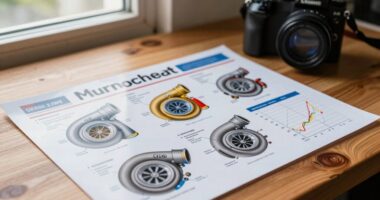
Upgrading to aftermarket intakes for your turbocharged engine can boost performance by improving airflow, reducing restrictions, and lowering intake temperatures. This leads to quicker throttle response, increased horsepower, and better efficiency. High-quality filters help maintain engine cleanliness while maximizing airflow. Cooler, denser air also enhances combustion and turbo spool. Many systems are easy to install and provide a deep, aggressive sound. Keep exploring to discover how the right intake upgrade can release your engine’s full potential.
Key Takeaways
- Improve airflow and reduce restrictions for better turbocharged engine performance.
- Enhance throttle response and horsepower through larger, smoother intake pipes.
- Reduce intake air temperatures, boosting power and efficiency with heat shields or strategic placement.
- Select high-quality filters that maximize airflow while maintaining excellent filtration.
- Achieve a deeper, more aggressive engine sound with straightforward installation on compatible models.
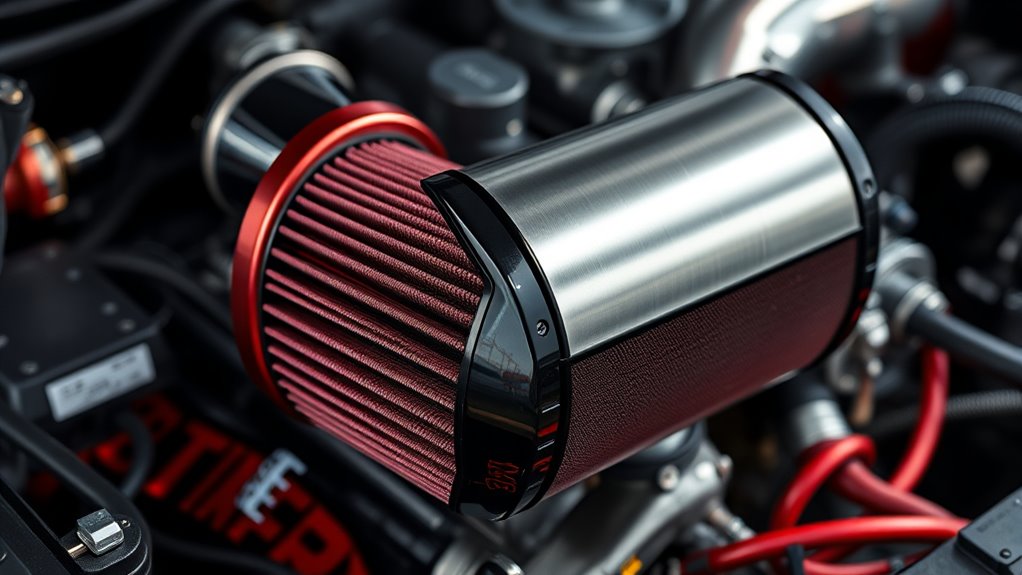
Upgrading your turbocharged engine with aftermarket intake systems can considerably boost performance by improving airflow and reducing restrictions. When you choose a well-designed intake, you’re directly enhancing how efficiently air reaches your engine’s combustion chambers. This airflow optimization is essential because turbocharged engines rely heavily on the amount of air they can draw in; the more air, the more power you can generate. Aftermarket intakes typically feature larger diameter pipes, smoother bends, and high-quality materials that minimize turbulence and resistance, allowing your engine to breathe more freely. As a result, you may notice quicker throttle response, increased horsepower, and improved overall efficiency.
Upgrading your turbocharged engine with aftermarket intakes improves airflow, boosts power, and enhances efficiency.
Filter performance plays a critical role in the effectiveness of any aftermarket intake system. High-performance filters are designed to maximize airflow while still providing excellent filtration, ensuring contaminants don’t reach your engine. Unlike stock filters, which are often restrictive or made from less durable materials, aftermarket filters use advanced media that capture dirt and debris without impeding airflow. This means your engine stays cleaner longer and operates at peak capacity. Some filters are reusable and washable, offering long-term savings and consistent performance, while others are designed for easy replacement. The key is selecting a filter that balances airflow and filtration, which directly impacts your engine’s longevity and power output.
When you install an aftermarket intake, you’re not only improving airflow but also potentially reducing the temperature of incoming air. Cooler air is denser, containing more oxygen, which helps your turbocharged engine produce more power. Many aftermarket intakes incorporate heat shields or are positioned away from hot engine components to keep intake air cooler. By maintaining a lower intake temperature, you enhance combustion efficiency and boost performance further. Additionally, these systems often feature less restrictive airflow paths, allowing your turbo to spool faster and deliver boost more efficiently.
Another benefit of aftermarket intakes is the potential for sound improvement. Many systems produce a deeper, more aggressive intake growl that enhances your driving experience. Plus, the installation process is generally straightforward, making it a popular upgrade for enthusiasts seeking quick gains without extensive modifications. Just be sure to choose an intake compatible with your specific turbocharged model to guarantee proper fitment and peak benefits. Overall, by focusing on airflow optimization and filter performance, aftermarket intakes give you a practical upgrade that enhances power, efficiency, and sound, helping your turbocharged engine perform at its best.
Frequently Asked Questions
How Do Aftermarket Intakes Affect Turbo Lag?
You’ll notice that aftermarket intakes can improve turbo response by optimizing airflow dynamics, reducing restrictions, and allowing the turbo to spool up faster. This means less turbo lag, so you experience quicker acceleration and more immediate power delivery. By enhancing airflow, aftermarket intakes help the turbo respond more efficiently, giving you a more responsive driving experience without sacrificing engine performance.
Are Aftermarket Intakes Legal for Street Use?
Yes, aftermarket intakes can be legal for street use, but it depends on your local emissions regulations. Some intakes are designed to meet legal standards, while others may cause your vehicle to fail emissions tests. Keep in mind, installing aftermarket parts might void your warranty, especially if they cause issues with emissions systems. Always check local laws and manufacturer guidelines before making modifications to guarantee legality and maintain warranty coverage.
Do Aftermarket Intakes Improve Fuel Efficiency?
Imagine your engine breathing a sigh of relief—aftermarket intakes can boost fuel efficiency by optimizing airflow. When you choose high-quality air filters and durable intake materials, your engine runs smoother and uses fuel more effectively. These upgrades reduce airflow restrictions, allowing your turbocharged engine to perform at its best while conserving fuel. So yes, investing in a superior intake system can greatly improve your vehicle’s fuel economy.
How Do I Choose the Right Intake for My Turbo Engine?
To select the appropriate intake for your turbo engine, focus on air filtration quality and sound enhancement. Opt for an intake that offers superior filtration to protect your engine and improves airflow for better performance. Consider one that enhances sound, giving your turbo a more aggressive growl. Guarantee compatibility with your specific vehicle make and model, and read reviews to find a reputable brand that balances airflow, filtration, and sound.
What Maintenance Is Required for Aftermarket Intakes?
You need to regularly check and replace the air filter to guarantee ideal airflow, typically every 15,000 to 30,000 miles. Additionally, perform intake cleaning periodically, especially if you notice reduced performance or unusual engine sounds. Keep the intake system free of dirt and debris, and inspect hoses for cracks or leaks. Proper maintenance helps maintain your turbocharged engine’s efficiency and prolongs the life of your aftermarket intake system.
Conclusion
Just like heroes upgrade their gear before facing a quest, upgrading your turbocharged intake boosts your engine’s performance and longevity. With the right aftermarket intake, you access hidden potential and enjoy smoother power delivery—think of it as giving your ride a secret weapon. So, whether you’re chasing speed or reliability, remember: every great journey starts with the right upgrade. Gear up and take control; your engine’s legend awaits.