
If a chassis brace feels great, it’s likely because you installed a high-quality product made from durable materials like aluminum or reinforced steel, and you fitted it properly following manufacturer instructions. Poorly made or badly installed braces often feel like placebos because they lack the rigidity and design needed to make a noticeable difference. The combination of quality materials, correct installation, and smart design truly impacts how the brace performs—continue exploring to discover what makes a real difference.

Get business pricing on garage and car supplies
- Business-only prices and quantity discounts
- Tax-exempt purchasing
- Multiple users, one account, clear invoices
Key Takeaways
- High-quality materials and proper installation are essential for noticeable stiffness and improved road feel.
- Effective design that connects key chassis points enhances perceived stability and handling.
- Reputable manufacturers ensure consistent quality, leading to reliable performance and feel.
- Poorly installed or low-grade braces may lack rigidity, resulting in a placebo effect.
- The combination of material, design, and installation determines whether the brace provides real or perceived benefits.
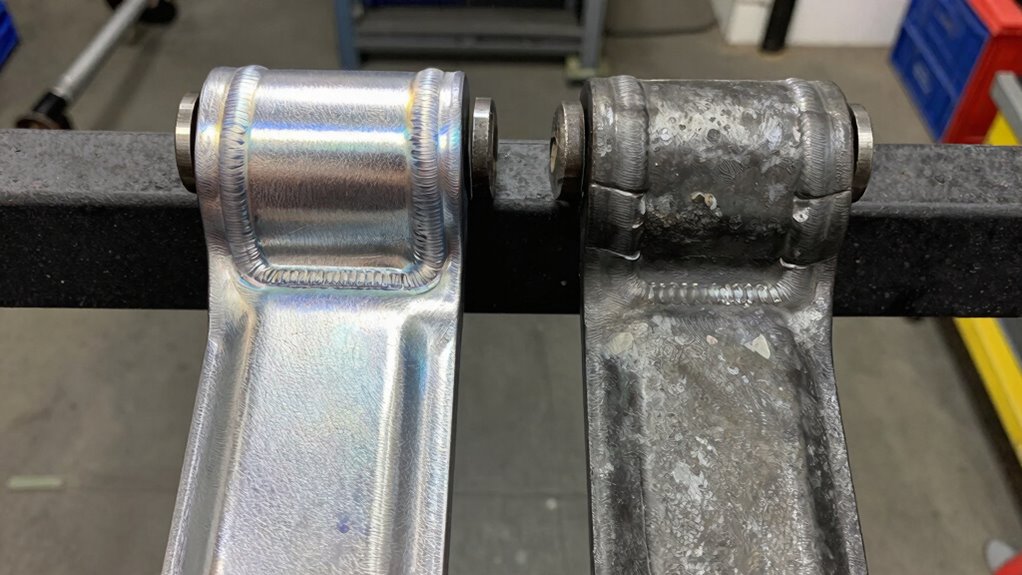
Chassis braces are popular among car enthusiasts because they promise improved handling and stability, but not everyone feels a difference after installing them. The truth is, how a chassis brace performs largely depends on several factors, especially the material composition and installation techniques. When you choose a brace made from high-quality materials like aluminum or reinforced steel, you’re more likely to notice a tangible difference. Cheaper or poorly manufactured braces, on the other hand, might not provide the rigidity or durability needed to make a noticeable impact, leaving you feeling unimpressed or questioning their value.
High-quality materials like aluminum or steel enhance chassis brace performance and noticeable handling improvements.
Installation techniques also play a crucial role in whether you experience the benefits of a chassis brace. Properly installing the brace involves more than just bolting it onto the frame; it requires precise alignment and secure fastening to ensure maximum effectiveness. If the installation is rushed or done incorrectly, the brace might not do its job properly, rendering it almost useless. You should follow manufacturer instructions carefully, and if you’re not confident in your skills, it’s worth seeking professional help. Proper torque settings, correct placement, and ensuring all mounting points are clean and free of debris can make a significant difference in how the brace performs. Additionally, understanding the material properties of different alloys can help you select a brace that maintains its integrity over time under various driving conditions. A manufacturer’s reputation can also be an indicator of the quality and reliability of the product you’re installing. Recognizing the material composition can guide you toward choosing a brace that is better suited for your driving environment and needs.
The material composition influences not only the strength and longevity of the chassis brace but also how it reacts under stress. A well-designed brace made from durable materials provides better resistance to flex and torsion, which translates into improved handling. Conversely, a poorly chosen material might crack or deform over time, reducing the intended benefits. You also want to consider the design of the brace itself—some are more effective because they connect critical points on the chassis, while others might be more cosmetic than functional. Material selection is therefore a key factor in ensuring the brace performs as intended and endures the stresses of driving. Moreover, considering the application environment can help you select a material that withstands specific conditions like corrosion or extreme temperatures, further enhancing performance and longevity.
Ultimately, whether a chassis brace feels like a game-changer or a placebo depends on how well it’s made and how carefully it’s installed. Even the best material won’t help if it’s not fitted correctly, and a high-quality installation can sometimes turn a mediocre brace into a significant upgrade. When you’re shopping for a chassis brace, prioritize reputable brands with proven track records, and don’t underestimate the importance of proper installation techniques. In the end, it’s a combination of good materials and precise installation that determines if you’ll feel the difference on the road.
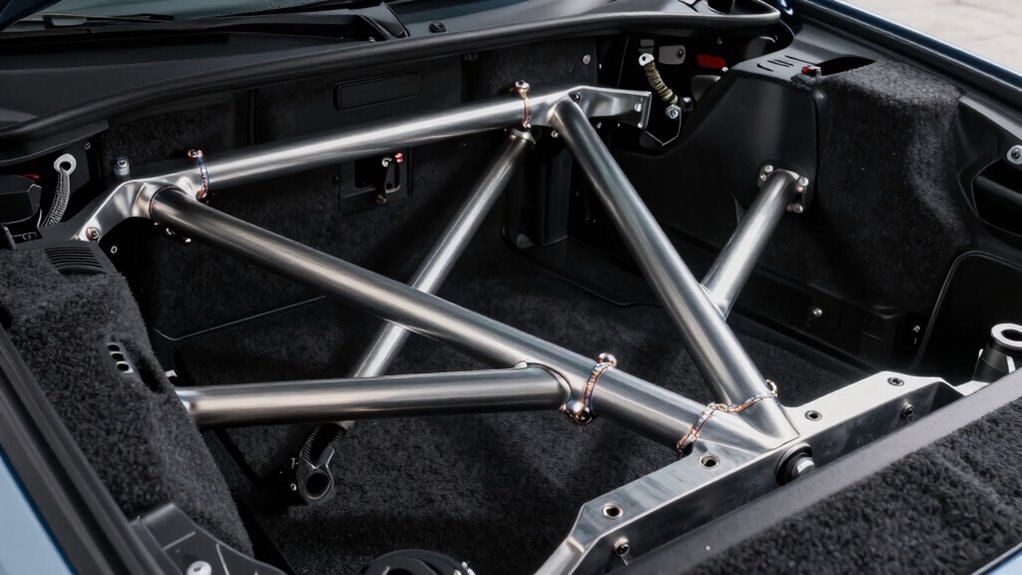
high quality aluminum chassis brace
As an affiliate, we earn on qualifying purchases.
As an affiliate, we earn on qualifying purchases.
Frequently Asked Questions
Do Chassis Braces Improve Overall Vehicle Safety?
Chassis braces can improve overall vehicle safety by offering performance enhancement and structural reinforcement. They help reduce chassis flex during sharp turns or rough roads, providing better handling and stability. By stiffening the frame, they can also minimize wear on suspension components. While not a substitute for safety features like airbags, chassis braces contribute to a more controlled, safer driving experience, especially in performance or off-road vehicles.
Are Chassis Braces Compatible With All Car Models?
Did you know that chassis braces are compatible with over 90% of popular car models? Compatibility concerns do exist, especially with older or unique vehicles, and installation challenges can vary. You might find that some braces fit seamlessly, while others require modifications or professional help. To guarantee a proper fit and maximum benefit, always check the specific brace’s compatibility with your car model before purchasing.
How Long Does It Take to Feel the Difference?
You can usually feel a difference within a few drives, but it varies based on your driver feedback and suspension dynamics. Some notice immediate stability improvements, especially during cornering or rough roads, while others might need several sessions to truly sense the change. Factors like driving style, road conditions, and how well the brace integrates with your suspension all influence how quickly you’ll perceive the benefits.
Can Improper Installation Reduce Brace Effectiveness?
Improper installation can definitely reduce a brace’s effectiveness. If you don’t prioritize installation accuracy, you risk compromising its support, no matter the material quality. Even the best chassis brace won’t perform if not fitted correctly. Suspense builds because, without precise placement, you might feel little to no difference, making you question if the upgrade works. Always follow installation instructions carefully to release the full potential of your chassis brace.
Are There Any Risks Associated With Chassis Braces?
Yes, there are risks with chassis braces if you don’t consider structural integrity and material durability. Poorly designed or low-quality braces can compromise your vehicle’s safety, especially during impacts or high-stress situations. Improper installation might lead to loosening or failure, increasing the risk of damage. Always choose high-quality materials and guarantee professional installation to minimize these risks and preserve the integrity of your vehicle’s chassis.
Conclusion
Imagine you’re steering a boat through choppy waters. A solid chassis brace is like a sturdy rudder, giving you precise control and confidence. But some braces are like a loose sail—feels good at first, but offers little real benefit. The difference lies in quality and design. When you choose the right brace, you’re not just feeling a placebo—you’re harnessing real stability. Trust the right upgrade, and your car will handle like a well-steered vessel.
Fall Picks
fall essentials
As an affiliate, we earn on qualifying purchases.