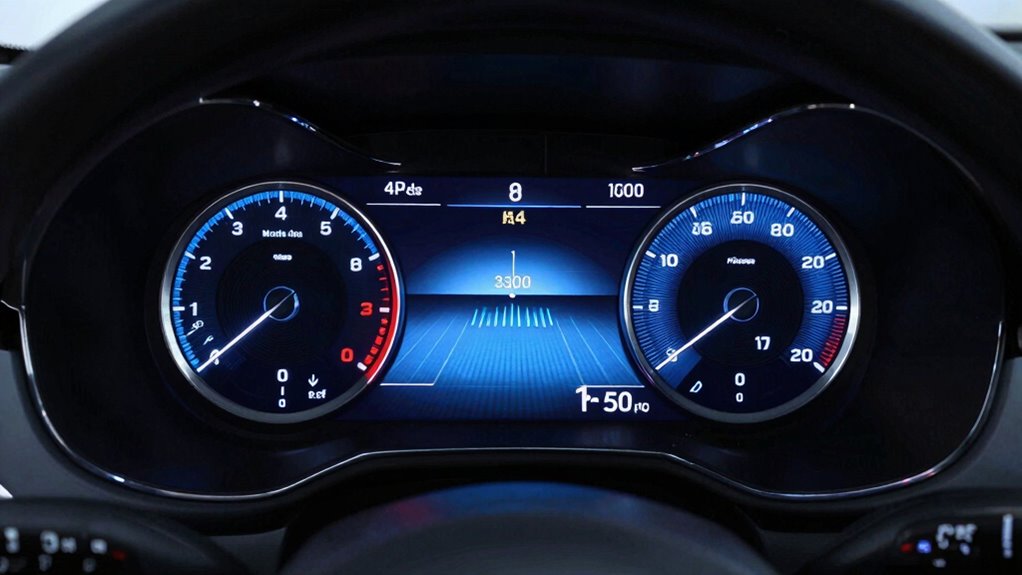
Choosing between gauges and digital dashes depends on what you need to monitor. Gauges give you quick, easy-to-interpret information like speed and fuel with a classic look and simple reliability. Digital dashboards offer customizable screens that display real-time data such as diagnostics, navigation, and tire pressure. If you want a seamless, high-tech experience, digital systems might suit you best. Keep exploring to find out which option matches your driving style and priorities.
Key Takeaways
- Prioritize basic gauges like speed, fuel, and engine temperature for quick, at-a-glance information during driving.
- Use digital dashboards for comprehensive monitoring, including navigation, tire pressure, and vehicle diagnostics.
- Choose analog gauges if you prefer simple, reliable displays without reliance on electronics or software updates.
- Opt for digital systems if you want customizable displays and real-time alerts for enhanced vehicle awareness.
- Consider your driving style and preferences to determine whether traditional gauges or digital dashboards best meet your monitoring needs.
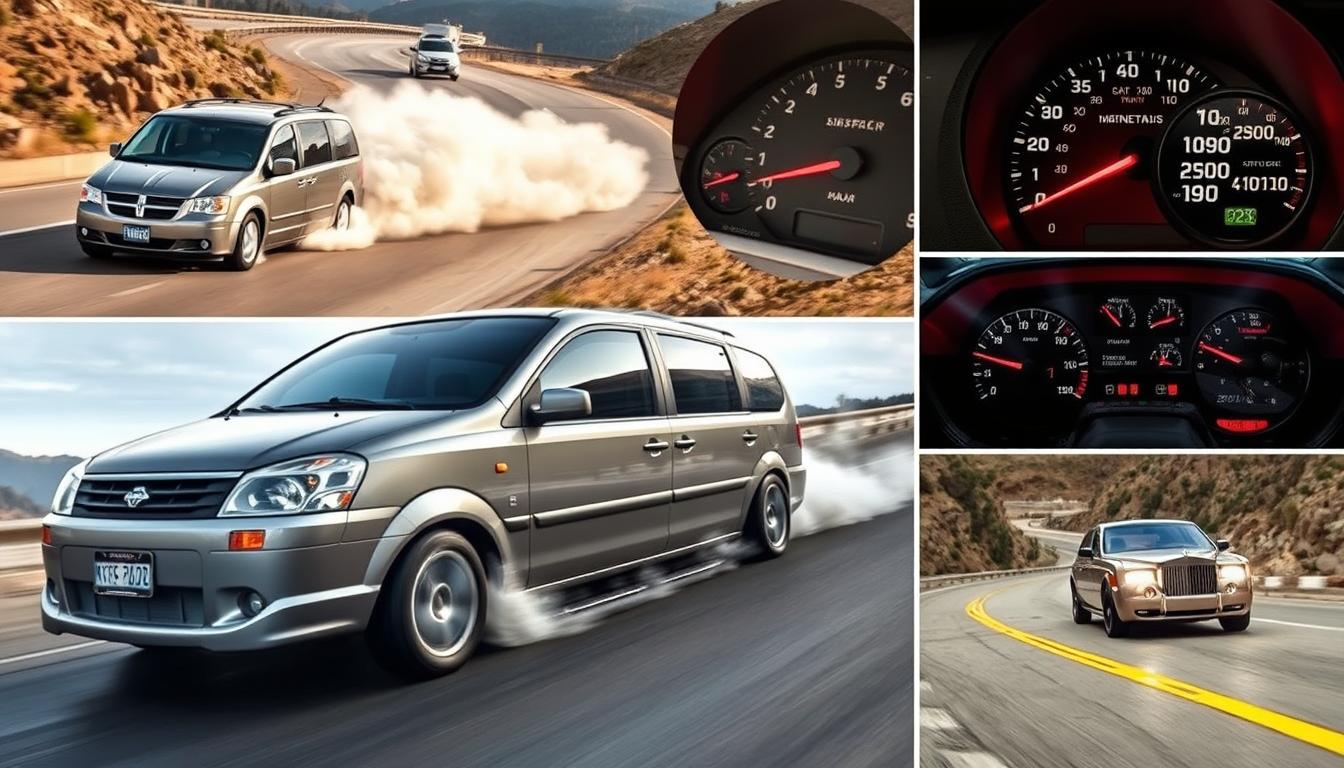
When it comes to monitoring your vehicle’s essential information, you often have to choose between traditional gauges and digital dashes. Each option offers distinct advantages, and your choice depends on what you value most in your driving experience. Traditional gauges bring a certain analog aesthetics that many drivers find appealing. Their classic design, with clear dials and straightforward readouts, evokes a sense of familiarity and simplicity. You can glance at your speedometer, tachometer, or fuel gauge without distraction, which can be reassuring during everyday driving. The tactile nature of these gauges also provides a visual confirmation that’s easy to interpret at a glance, especially when you’re used to their layout. Digital integration is becoming increasingly popular, offering a sleek, modern look that can be highly customizable. Digital dashboards display real-time data with crisp clarity, often allowing you to tailor what information you see and how you see it. For example, instead of traditional dials, you might have a single screen showing your speed, navigation, tire pressure, or even engine diagnostics in a digital format. This integration allows for a more streamlined cockpit, reducing clutter and making it easier to access multiple data points without shifting your focus from the road. Plus, digital dashboards can incorporate advanced features like alerts, warnings, and interactive menus, providing a more exhaustive view of your vehicle’s health. Many digital systems also enable real-time data display, giving drivers instant feedback and improving overall vehicle awareness. Despite the technological benefits of digital systems, some drivers still prefer the simplicity and timeless appeal of analog gauges. They’re often seen as more reliable, with fewer concerns about software glitches or electronic malfunctions. Still, digital dashboards excel in offering a modern, high-tech aesthetic that appeals to those who want the latest in automotive design. They can also be upgraded with software updates, expanding their capabilities over time. Ultimately, what you need depends on your driving style and preferences. If you appreciate a classic look with straightforward readings, traditional gauges might suit you best. But if you’re after a customizable, high-tech interface with seamless digital integration, then a digital dash could be the better choice. Both serve the fundamental purpose of keeping you informed, but your personal taste and priorities will guide you toward the right option.
Frequently Asked Questions
How Do Gauges and Digital Dashes Perform in Extreme Temperatures?
In extreme temperatures, gauges generally offer better temperature resilience, as they rely on mechanical parts less affected by heat or cold. Digital dashes might struggle with display clarity, especially in very hot or cold conditions, causing potential read errors. You should consider how each option performs under harsh weather to guarantee accurate readings. Ultimately, gauges provide consistent performance, while digital dashes may require additional climate control for ideal display clarity.
Can Digital Dashboards Be Customized Beyond Basic Display Options?
Yes, digital dashboards offer extensive customization options and display flexibility. You can tailor the layout, choose which data to show, and even adjust color schemes to suit your preferences. This means you’re not limited to standard displays; instead, you can create a personalized setup that highlights what matters most to you. With these advanced features, digital dashboards enhance your driving experience by making crucial information easily accessible and visually appealing.
Are There Safety Concerns With Digital Versus Analog Displays While Driving?
You might worry that digital displays could distract you more than analog gauges, but both have safety concerns. Digital screens can cause driver distraction if they’re too flashy or cluttered, while visibility concerns arise with both types—digital can be hard to read in bright sunlight, and analog gauges can be less precise. Ultimately, it’s about selecting a setup that minimizes distraction and guarantees clear visibility for safer driving.
How Do Gauges and Digital Dashes Impact Vehicle Resale Value?
Your vehicle’s gauges and digital dash can influence resale value by shaping market perception. Many buyers see modern digital displays as a sign of newer technology, boosting appeal and resale price. Conversely, some prefer classic gauges, especially in vintage models, which can also maintain high resale value. Ultimately, choose a display style that aligns with your vehicle’s brand and target market to maximize resale potential.
What Maintenance Is Required for Gauges Compared to Digital Dashboards?
You need to regularly calibrate your gauges to guarantee accuracy, typically every 6-12 months, depending on usage. Digital dashboards generally require less calibration, but check for software updates. Power consumption differs: gauges often draw more power, needing occasional inspection of wiring and connections. Digital dashboards are more energy-efficient, but you should monitor for software glitches or display issues to maintain peak performance.
Conclusion
Ultimately, whether you choose gauges or digital dashes depends on what you value most. Gauges offer a timeless, intuitive feel, while digital dashes provide sleek, real-time data. But remember, your vehicle’s dashboard isn’t just a display—it’s the command center of your driving experience. Choose wisely, because overlooking critical monitors could turn your smooth ride into chaos faster than you can say “breakdown.” Make an informed choice and keep your journey safe and effortless.