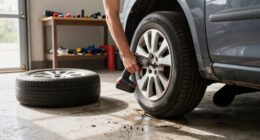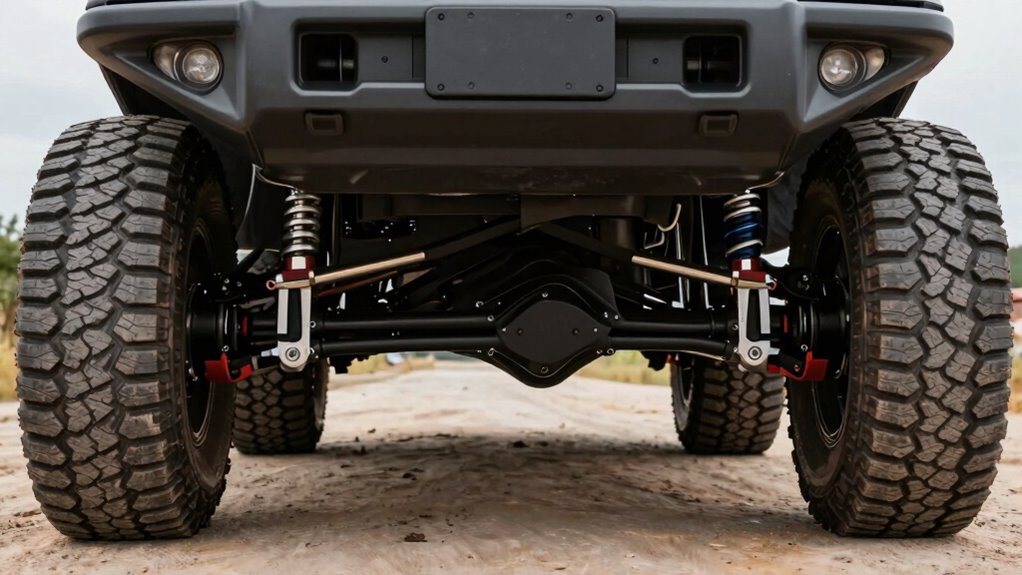

When you install a lift kit, it changes your vehicle’s angles—camber, caster, and toe—that are essential for proper handling. Without correcting these, your steering can become unresponsive, pull to one side, or vibrate, making driving unsafe. You’ll need adjustable control arms, caster correction plates, and proper alignment to restore factory geometry. Ignoring these steps leads to uneven tire wear and unsafe handling—stay with us to find out how you can keep everything in perfect balance.

Get garage and car supplies delivered free — and shop member deals
- Fast, free delivery on millions of items
- Access to Prime Big Deal Days deals on October 6–7
- Prime Video, Amazon Music and more included
Key Takeaways
- Lift kits alter suspension angles, requiring adjustments to camber, caster, and toe for proper steering.
- Off alignment from lift kits can cause loose steering, pulling, and vibrations.
- Installing adjustable control arms and caster correction plates restores factory steering geometry.
- Ignoring alignment corrections leads to uneven tire wear, safety issues, and reduced handling performance.
- Professional wheel alignment after lifting ensures optimal steering response and prolongs tire life.
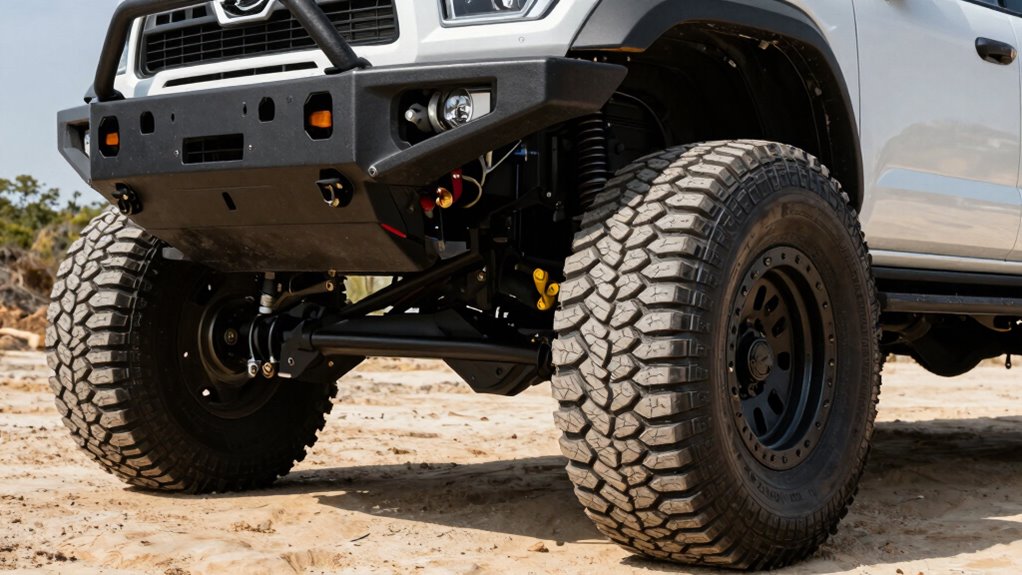
Have you ever wondered how installing a lift kit can affect your vehicle’s handling and performance? When you lift your truck or SUV to gain ground clearance or improve appearance, you’re also changing the vehicle’s geometry. This isn’t just about aesthetics; it impacts how your vehicle drives, especially in terms of alignment issues and steering feedback. Without proper adjustments, you may notice your steering feels off, or your vehicle pulls to one side, making driving less predictable and more tiring.
Lifting your vehicle changes its geometry, affecting handling and steering feedback if not properly aligned.
A lift kit alters critical angles such as camber, caster, and toe, which are essential for proper wheel alignment. When these angles are off, your tires won’t sit correctly on the road, leading to uneven tire wear and compromised handling. Alignment issues become more prominent because the suspension geometry is no longer within factory specifications. This can cause your steering to feel loose or unresponsive, and you might experience wandering or drifting while driving straight. You may also notice increased steering feedback—vibrations or a rougher feel through the wheel—especially at higher speeds or over uneven surfaces. These symptoms are signs that your suspension geometry needs correction.
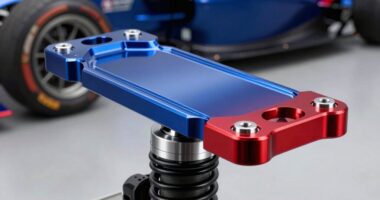
Correcting these issues involves more than just adjusting the alignment. Lift kits often require additional components like adjustable control arms, caster correction plates, or leveling kits to restore proper angles. If you ignore these adjustments, your steering feedback will remain inconsistent, and your vehicle’s handling can become unpredictable. For instance, you might find yourself constantly correcting the steering wheel to keep your vehicle going straight, which can lead to driver fatigue and reduced control. Furthermore, misaligned suspension can negatively impact braking efficiency and overall safety, especially in emergency situations.
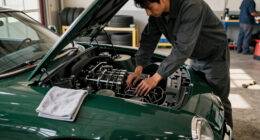
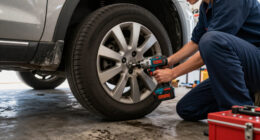
To guarantee your vehicle performs at its best after installing a lift kit, it’s important to have a professional alignment performed. A proper wheel alignment will address the altered suspension geometry, helping to restore proper tire contact with the road and improve steering feedback. This step not only prolongs tire life but also enhances handling and safety. Regular maintenance and suspension adjustments are key to maintaining optimal vehicle performance with a lift kit. Remember, a lift kit is an investment in your vehicle’s look and capability, but it also comes with the responsibility of maintaining proper geometry. Taking the time to correct alignment issues and fine-tune your steering setup guarantees you get the most out of your lift kit without sacrificing safety or comfort.
adjustable control arms for lift kits
As an affiliate, we earn on qualifying purchases.
As an affiliate, we earn on qualifying purchases.
Frequently Asked Questions
How Do Lift Kits Affect Overall Vehicle Handling?
Lift kits can substantially affect your vehicle’s handling by altering suspension modifications and tire alignment. When you install a lift kit, you might notice less precise steering, increased body roll, and a higher center of gravity. To maintain ideal handling, you need to adjust your suspension and realign your tires properly. This ensures your vehicle remains stable, responsive, and safe, even with the added height from the lift kit.
What Are the Signs of Incorrect Steering Geometry?
You might notice subtle signs of incorrect steering geometry, like uneven tire wear or pulling to one side, which indicate alignment issues. Your steering could feel less precise, with a slight wandering sensation or a crooked wheel when driving straight. These clues suggest your vehicle’s geometry is off, and addressing them promptly helps improve handling, extend tire life, and keep your ride smooth and safe.
Can Steering Corrections Be Done After Installation?
Yes, you can do steering corrections after installation. You’ll need to get a proper steering alignment to make sure your vehicle handles correctly and minimizes tire wear. Suspension adjustments are often necessary to restore proper geometry after lifting. It’s best to have a professional perform these adjustments, as they can fine-tune your steering and suspension to match your new setup, ensuring safe and smooth driving.
Are There Specific Lift Kit Brands Better for Steering?
Did you know that about 60% of drivers experience steering issues after installing a lift kit? When choosing lift kit brands, look for those known for better steering compatibility, like Rough Country or BDS. These brands often design kits with upgraded components that help maintain proper alignment and handling. Picking quality brands can save you headaches and guarantee safer, more reliable off-road adventures.
How Often Should Steering Geometry Be Checked After Lifting?
You should check your steering geometry after lifting every 3,000 to 5,000 miles, or whenever you notice uneven tire wear or unusual steering. Regular alignment maintenance and suspension adjustments are essential to keep your vehicle handling correctly. By staying vigilant, you prevent uneven tire wear, improve safety, and extend the lifespan of your suspension components. Consistent checks ensure your lift kit maintains peak performance and alignment over time.
Conclusion
Don’t forget, DIY drivers! When you lift your ride, you risk ruining your ride’s radius and responsiveness. Recognize the risks, rectify the roughness, and restore the ride’s rhythm. Remember, proper planning prevents poor performance. With the right corrections, you’ll enjoy elevated adventures without endangering your experience. So, stay savvy, stay safe, and steer your suspension smoothly—because a well-wheeled wonder starts with understanding and adjusting your geometry after a lift.
Halloween Picks
halloween
As an affiliate, we earn on qualifying purchases.