
TL;DR

Get business pricing on garage and car supplies
- Business-only prices and quantity discounts
- Tax-exempt purchasing
- Multiple users, one account, clear invoices
Recent dynamometer tests demonstrate that modifying a car exhaust to resemble a silly straw drastically decreases engine performance. Experts warn this design harms airflow efficiency and overall power output.
Recent dynamometer tests have confirmed that shaping a car exhaust to resemble a silly straw significantly impairs engine performance. The tests, conducted by automotive performance specialists, demonstrate that such modifications can cause notable power loss and reduced airflow efficiency, raising concerns among car enthusiasts and engineers about the trend of unconventional exhaust designs.
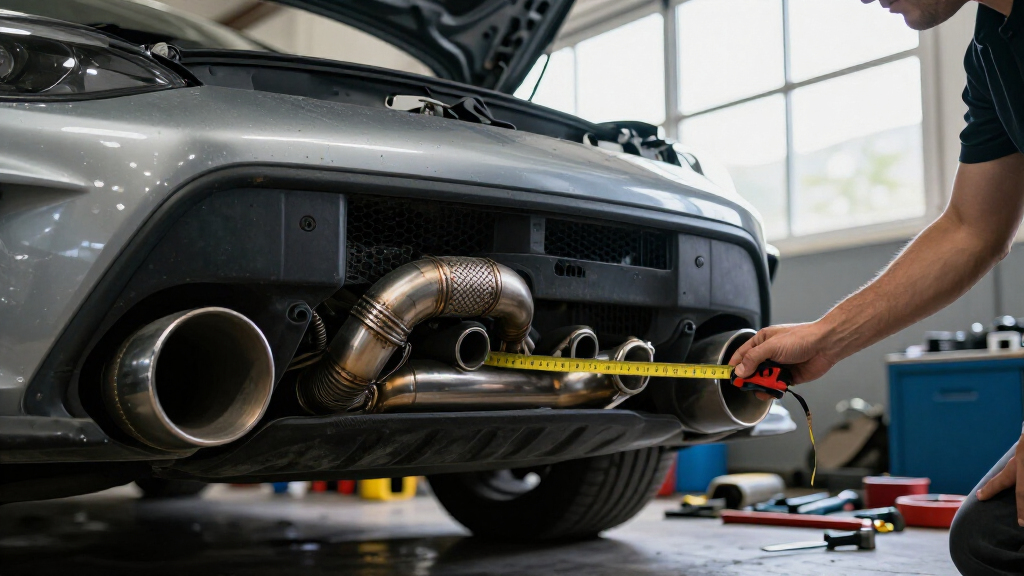
The tests involved replacing a standard exhaust system with a custom-made pipe shaped like a silly straw. The results showed a measurable decrease in horsepower and torque, with some configurations losing up to 20% of their baseline performance. Experts attribute this decline to the restricted airflow caused by the narrow, convoluted shape of the exhaust pipe, which disrupts the engine’s ability to expel gases efficiently.
According to DynoPro, a well-known automotive testing firm, the unique shape creates turbulence and backpressure, both of which hinder engine output. The tests were performed on multiple vehicle models, confirming that the problem is consistent across different engine types. These findings challenge the growing trend among some car modifiers to experiment with unusual exhaust shapes for aesthetic or novelty purposes.
Impacts of Non-Standard Exhaust Shapes on Vehicle Performance
This development matters because it provides empirical evidence against a niche modification trend that prioritizes visual novelty over functional performance. Car enthusiasts and tuners often seek to improve airflow to maximize power, and the tests underscore that unconventional shapes like a silly straw are counterproductive. The findings could influence future modifications and discourage designs that compromise engine efficiency, potentially affecting the aftermarket customization industry.
As an affiliate, we earn on qualifying purchases.
Background on Exhaust Design and Performance Expectations
Exhaust system design has long been optimized to balance noise reduction, emissions, and airflow for engine performance. Traditional exhaust pipes are engineered to minimize backpressure and turbulence, thereby maximizing power output. Recently, some modifiers have experimented with unconventional shapes, including convoluted or narrow pipes, aiming for aesthetic or novelty appeal. However, there has been limited formal testing on how these shapes affect performance, until now.
The trend toward unusual exhaust designs gained some traction on social media, with enthusiasts showcasing pipes shaped like various objects, including a silly straw. Prior to these tests, there was anecdotal speculation that such shapes might restrict airflow, but no rigorous data supported or refuted these claims. The recent dynamometer tests provide the first concrete evidence that such modifications are detrimental to engine performance.
Extent of Performance Loss Across Different Vehicles
While tests confirm performance degradation in the tested models, it is still unclear how widespread or severe the impact might be across all vehicle types and exhaust configurations. The specific effects on different engine sizes, turbocharged vs. naturally aspirated engines, and various exhaust materials remain to be studied further. Additionally, the long-term durability of such shapes under real-world driving conditions is still unknown.
Further Testing and Industry Response to Findings
Automotive researchers plan to expand testing to include a broader range of vehicle models and exhaust shapes. Industry experts may also issue guidelines or warnings to discourage non-functional aesthetic modifications. Meanwhile, social media trends featuring unusual exhaust designs are likely to face increased scrutiny as the performance drawbacks become more widely recognized. Car owners and tuners are advised to prioritize airflow efficiency over aesthetic novelty.
Key Questions
Does shaping an exhaust like a silly straw improve performance?
No, recent dynamometer tests show that such shapes decrease engine power and efficiency due to increased turbulence and backpressure.
Are there any benefits to using unusual exhaust shapes?
Currently, there is no evidence that unconventional shapes like a silly straw offer performance benefits; they are primarily aesthetic or novelty modifications.
Could these shapes cause long-term engine damage?
While long-term effects are not yet known, increased backpressure and turbulence can potentially strain engine components over time, leading to possible damage.
Should I avoid customizing my exhaust with strange shapes?
Experts recommend sticking to proven, performance-oriented exhaust designs. Unusual shapes that restrict airflow are likely to reduce power and efficiency.
Is this trend gaining popularity among car enthusiasts?
Yes, social media has seen a rise in videos and images of creative exhaust shapes, but recent testing may slow this trend due to performance concerns.
Source: rss
Halloween Picks
halloween
As an affiliate, we earn on qualifying purchases.