
Before buying parts, you need to ask yourself about your vehicle’s ideal powerband—whether you want peak horsepower, torque, or fuel efficiency. Think about how you’ll use the car, like daily driving or racing, and choose upgrades that match that range. Make sure parts are compatible and support your existing setup. Considering your budget and installation skills also helps avoid mismatches or costly mistakes. Keep exploring these questions to optimize your build and reach your goals.

Get business pricing on garage and car supplies
- Business-only prices and quantity discounts
- Tax-exempt purchasing
- Multiple users, one account, clear invoices
Key Takeaways
- Determine the engine’s optimal powerband range to select parts that enhance performance where it matters most.
- Assess how modifications will impact engine responsiveness and overall driving experience within the desired RPM range.
- Identify if upgrades target top-end power, low-end torque, or broad powerband improvements for your vehicle’s use.
- Consider if the new parts will shift or expand the powerband for better performance at specific RPMs.
- Ensure compatibility of parts with your vehicle’s current setup to effectively optimize the powerband without causing issues.

Before you buy parts to upgrade your vehicle’s powerband, it’s crucial to ask the right questions. Making informed decisions ensures you get the most out of your performance upgrades without wasting money or ending up with parts that don’t suit your driving style. The first question to contemplate is what specific improvements you want to achieve. Are you aiming for more horsepower, better torque, improved fuel efficiency, or a combination of these? Clarifying your goals helps you focus on the right components and avoid unnecessary expenses. For example, if your main goal is to boost top-end power, you might prioritize camshafts or intake upgrades. If you’re after low-end torque, then headers or exhaust systems could be more appropriate.
Identify your goals—horsepower, torque, or fuel efficiency—to choose the right performance upgrades for your vehicle.
Next, you need to think about your budget considerations. Performance upgrades can range from affordable bolt-ons to expensive engine rebuilds. Knowing how much you’re willing to spend helps narrow down your options and prevents overspending on parts that won’t give you a proportional benefit. It’s also wise to weigh the long-term costs, such as installation, tuning, and potential maintenance. Sometimes, investing a little more upfront in quality parts can save you money in the long run, especially if they last longer and perform better. Conversely, if you’re on a tight budget, look for essential upgrades that offer the most significant gains for your dollar, such as cold air intakes or simple ECU tunes.
Another critical question to ask is whether your vehicle’s current setup and condition can support the upgrades you’re considering. Not all performance parts are compatible with every engine or vehicle. You need to ensure that your car’s existing components can handle the new parts and that your upgrades won’t cause unintended issues, like overheating or drivetrain stress. This means doing some research on the compatibility and potential need for supporting modifications. Additionally, understanding the importance of vehicle compatibility and how it impacts your upgrade choices can prevent costly mistakes. It’s also beneficial to consider the performance potential of your vehicle to set realistic expectations for what upgrades can achieve. Incorporating professional advice from experts or experienced enthusiasts can help you identify the most suitable and effective upgrades for your specific vehicle.
Furthermore, understanding the engine’s durability and how it may be affected by certain modifications can help you avoid compromising your vehicle’s longevity or safety. Additionally, consider your planned usage. Will your vehicle be a daily driver, a weekend racer, or a show car? Each use case demands different types of performance upgrades. Daily drivers benefit from reliability and efficiency, while racers often prioritize maximum power and responsiveness. Knowing your primary use helps guide your choices and ensures your upgrades align with your driving habits. Recognizing the different upgrade types that suit various applications can help you avoid unnecessary modifications that don’t add value to your intended use.
Finally, think about the level of expertise required for installation. Some performance upgrades are straightforward, while others may require professional installation and tuning. If you’re not comfortable with complex modifications, it’s worth factoring in labor costs or seeking expert help to avoid damaging your vehicle or wasting money on incompatible parts. Asking these questions before buying parts helps you make smarter decisions, optimize your budget considerations, and ultimately achieve a powerband that matches your expectations and driving needs.
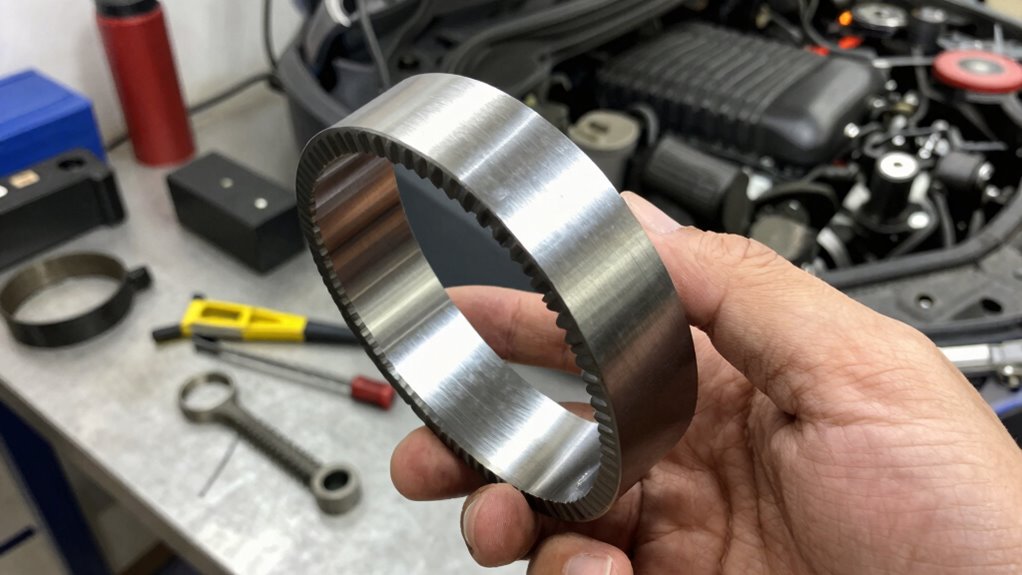
performance camshaft for horsepower boost
As an affiliate, we earn on qualifying purchases.
As an affiliate, we earn on qualifying purchases.
Frequently Asked Questions
How Does Powerband Affect Overall Vehicle Performance?
Powerband directly impacts your vehicle’s performance by influencing engine tuning and fuel efficiency. When you optimize the powerband, your engine delivers power more smoothly within a specific RPM range, improving acceleration and responsiveness. This tuning helps you get better fuel efficiency because the engine runs more efficiently within that range. By understanding and adjusting your powerband, you guarantee your vehicle performs at its best, whether you’re accelerating or cruising.
What Are Common Mistakes When Choosing a Powerband?
When choosing a powerband, you might make mistakes like ignoring proper powerband tuning or overlooking engine compatibility. It’s easy to pick a powerband that doesn’t match your engine’s specifications, which can reduce performance or cause damage. Always guarantee the powerband aligns with your engine’s needs and focus on tuning it correctly. Avoid assumptions about generic powerbands, and consult expert advice to optimize your vehicle’s performance safely.
Can Powerbands Be Customized for Specific Driving Styles?
Did you know that 65% of drivers prefer customizing their powerbands? Yes, powerbands can be tailored to match your driving style with various customization options. Whether you’re into aggressive acceleration or smooth cruising, you can adjust settings or select specific powerbands to optimize performance. This personalization guarantees your vehicle responds exactly how you want, making your driving experience more enjoyable and efficient.
How Long Does a Typical Powerband Last?
A typical powerband lasts for several thousand miles or around 1-2 years, depending on your engine upgrades and driving habits. If you upgrade your engine or improve fuel efficiency, the powerband’s lifespan might extend or shift. Regular maintenance and proper tuning help preserve the powerband’s effectiveness. Keep an eye on performance changes, and replace or adjust it as needed to maintain peak engine performance and fuel efficiency.
Are There Safety Concerns With Changing Powerbands?
Safety concerns surface when you switch powerbands, so stay vigilant. Proper installation precautions are essential to prevent potential problems like loose fittings or electrical issues. Always disconnect power sources, wear safety gear, and follow manufacturer instructions carefully. Ignoring these safety concerns can cause harm or damage, so prioritize safety at every step. Taking these precautions guarantees a smooth, secure swap, sparing you from avoidable accidents or costly repairs.
Conclusion
Before you make that purchase, remember these powerband questions—they’re your secret weapon against costly mistakes. But here’s the real kicker: what if you’re overlooking something that could make or break your build? The right parts can transform your ride, but only if you ask the right questions first. Don’t settle for just any upgrade—dive deeper, think smarter, and stay tuned. The best powerband is waiting to be uncovered. Are you ready to find it?
Fall Picks
fall essentials
As an affiliate, we earn on qualifying purchases.