When searching for ‘automotive programs,’ it’s clear that the options range from beginner tutorials to professional diagnostic tools. The ZMOON ZM201 stands out as a comprehensive scanner for technicians, while Automobile Engineering for Beginners offers an accessible entry point for newcomers. The main tradeoffs involve balancing depth of knowledge against ease of use and cost. More advanced options deliver detailed insights but often require prior experience, whereas beginner programs may lack depth. Continue reading for a full breakdown of the best automotive programs in 2026, tailored to different needs and skill levels.

Get garage and car supplies delivered free — and shop member deals
- Fast, free delivery on millions of items
- Access to Prime Big Deal Days deals on October 6–7
- Prime Video, Amazon Music and more included
Complete the kit


Key Takeaways
- The best programs balance usability with technical depth, catering to both beginners and professionals.
- Diagnostic tools like ZMOON ZM201 excel for hands-on troubleshooting, but require some technical knowledge to maximize their value.
- Educational books and guides provide foundational understanding, ideal for learners or those seeking to supplement hands-on work.
- Pricing varies significantly, with professional diagnostic tools costing more but offering greater precision, while beginner guides are more affordable.
- The top picks are distinguished by their ease of use, comprehensiveness, and targeted audience, making it clear who each product is best suited for.
| ZMOON ZM201 Professional OBD2 Scanner Diagnostic Tool |  | Best Overall for Versatile Vehicle Diagnostics | Vehicle Compatibility: All vehicles after 1996 (US), 2002 (EU), 2008 (Asia) with 16PIN OBD2 port | Display: 2.8-inch color screen with adjustable brightness | Power Source: Powered directly from OBDII port, no battery required | VIEW ON AMAZON | See Our Full Breakdown |
| How to Diagnose and Repair Automotive Electrical Systems (Motorbooks Workshop) |  | Best for Electrical Troubleshooting Skills Development | VIEW ON AMAZON | See Our Full Breakdown | |||
| Automobile Engineering for Beginners: A Simple Guide to How Cars Work, From Engines to Smart Vehicles |  | Best for Beginners Curious About Car Mechanics | VIEW ON AMAZON | See Our Full Breakdown | |||
| Modern Automotive Technology | 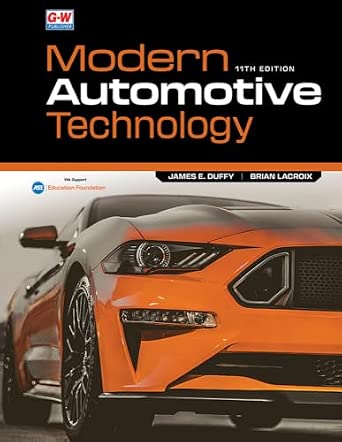 | Best for Enthusiasts and Professionals Tracking Latest Trends | VIEW ON AMAZON | See Our Full Breakdown | |||
| Car Mechanics for Beginners: The Visual Step-by-Step Guide |  | Best for Visual Learners and Beginners | VIEW ON AMAZON | See Our Full Breakdown | |||
| Automotive Wiring and ECU Guide Made Easy for Beginners |  | Best for Beginners Learning Vehicle Electronics | Coverage: Vehicle electronics, sensor diagnostics, circuit mapping, harness design | Experience Level: Beginner to intermediate | Content Type: Practical, tutorial-based | VIEW ON AMAZON | See Our Full Breakdown |
| Automotive Multimeter Techniques: Electrical Diagnosis Step by Step |  | Best for Practical Electrical Diagnostics | Focus Areas: Voltage drop, sensor testing, diagnostic measurements | Target Audience: Technicians, experienced DIYers | Content Type: Step-by-step procedures | VIEW ON AMAZON | See Our Full Breakdown |
| Automotive Handbook |  | Best for Comprehensive Automotive Knowledge | Coverage: Vehicle maintenance, troubleshooting, repair | Audience: Professionals, enthusiasts | Content Type: Reference guide | VIEW ON AMAZON | See Our Full Breakdown |
| Diesel Diagnostics and Emissions: Common Rail, DPF, EGR, and DEF Systems |  | Best for Diesel Emissions System Diagnostics | Systems Covered: Common rail, DPF, EGR, DEF | Target Audience: Diesel technicians, advanced enthusiasts | Content Type: Technical diagnosis and repair guide | VIEW ON AMAZON | See Our Full Breakdown |
More Details on Our Top Picks
ZMOON ZM201 Professional OBD2 Scanner Diagnostic Tool
The ZMOON ZM201 stands out for its broad vehicle compatibility and support for all major OBDII protocols, making it a reliable choice for both DIY users and professionals who need a straightforward diagnostic solution. Unlike the Car Mechanics for Beginners book, which offers conceptual understanding, the ZM201 provides hands-on diagnostic capabilities directly from the vehicle, saving time and effort. Its user-friendly interface, including a 2.8-inch color display and shortcut keys, simplifies operation, although it limits troubleshooting to engine issues only. The lack of wireless connectivity means it’s best suited for on-site diagnostics rather than mobile use. The support for live data streaming and lifetime updates adds value, but it doesn’t cover ABS or transmission diagnostics, which could be a drawback for advanced users. Overall, this scanner makes the most sense for technicians needing reliable engine diagnostics without the complexity of additional systems.
Pros:- Supports all vehicles after 1996 with comprehensive OBDII protocols
- User-friendly with a color display and shortcut keys
- Lifetime free software updates ensure ongoing functionality
- Simple power supply from the vehicle’s OBD port
Cons:- Limited to engine diagnostics; cannot access ABS or SRS systems
- No Bluetooth or wireless connectivity for remote use
- Requires a standard 16PIN OBD2 port, limiting compatibility with some older vehicles
Best for: DIY enthusiasts and automotive technicians who need a dependable, easy-to-use engine scanner.
Not ideal for: Users seeking a wireless or multi-system diagnostic tool, or those wanting to diagnose ABS or transmission issues.
- Vehicle Compatibility:All vehicles after 1996 (US), 2002 (EU), 2008 (Asia) with 16PIN OBD2 port
- Display:2.8-inch color screen with adjustable brightness
- Power Source:Powered directly from OBDII port, no battery required
- Protocols Supported:KWP2000, ISO9141, J1850 VPW, J1850 PWM, CAN
- Data Features:Live data, freeze frame, O2 sensor test, onboard monitoring, EVAP system checks
- Software Updates:Lifetime free updates
- Compatibility:Windows XP/7/8/10 (not Mac)
Our verdict“This pick suits professionals and DIYers focused on engine health who want straightforward, reliable diagnostics without extra system support.”
How to Diagnose and Repair Automotive Electrical Systems (Motorbooks Workshop)
This book offers an in-depth look at diagnosing automotive electrical issues, making it ideal for technicians and serious enthusiasts wanting to deepen their troubleshooting skills. Unlike the Automotive Wiring and ECU Guide, which focuses on wiring specifics, this publication covers a broad range of electrical problems, from sensors to control modules. It emphasizes practical troubleshooting techniques, step-by-step procedures, and common fault identification, but it doesn’t include digital resources or interactive content. The lack of real-time diagnostics means it’s less suited for quick repairs and more for foundational understanding. This book is a valuable resource for those who want to master electrical systems but may be less helpful for users needing immediate, on-the-vehicle diagnostics like the ZMOON ZM201.
Pros:- Provides detailed troubleshooting techniques
- Covers a broad spectrum of electrical issues and repair steps
- Suitable for both beginners and experienced technicians
- Focuses on practical diagnosis methods
Cons:- No digital or online resources to supplement learning
- Lacks specific vehicle diagnostic tool recommendations
- No interactive content or step-by-step visual guides
Best for: Professional or enthusiast learners aiming to improve electrical troubleshooting skills.
Not ideal for: Beginners looking for basic, visual guides or those needing quick, on-vehicle diagnostics.
Our verdict“This book is best for those seeking comprehensive troubleshooting knowledge beyond basic concepts, especially for electrical systems.”
Automobile Engineering for Beginners: A Simple Guide to How Cars Work, From Engines to Smart Vehicles
This book makes complex automotive engineering accessible, covering everything from engine fundamentals to modern smart vehicle features. Compared with technical manuals like Modern Automotive Technology, it simplifies concepts and is ideal for readers new to the subject. While it provides a solid overview, it doesn’t delve into detailed technical procedures or diagnostics, making it less suitable for those seeking hands-on repair or advanced engineering insights. The inclusion of smart vehicle technology provides a contemporary perspective, although it lacks technical depth for experienced mechanics. If you’re starting out and want a broad understanding without the jargon, this guide offers a clear path, but it won’t replace more detailed technical references.
Pros:- Clear, easy-to-understand explanations
- Covers a wide range of automotive topics
- Includes insights into smart vehicle systems
- Great for beginners building foundational knowledge
Cons:- Lacks detailed technical procedures
- No specific edition or publication date for context
- Limited depth for advanced learners
Best for: Beginners interested in understanding how cars work and the basics of automotive technology.
Not ideal for: Experienced technicians or those seeking detailed repair procedures and technical depth.
Our verdict“This guide is perfect for newcomers wanting a straightforward overview of automotive principles and modern vehicle features.”
Modern Automotive Technology
Modern Automotive Technology offers an up-to-date overview of the latest innovations in vehicle systems, making it a valuable resource for those who need current industry insights. Unlike the more introductory Automobile Engineering for Beginners, this book is geared toward readers with some background seeking to stay ahead of technological trends. Its comprehensive coverage spans modern systems, electrification, and future trends, but the lack of specific product details or user reviews limits its practical application. It’s ideal for professionals or advanced enthusiasts who want a broad understanding of current and emerging automotive tech, though it may not serve as a hands-on repair manual. The absence of detailed specs or pricing suggests it’s more of a reference than a practical tool.
Pros:- Provides current insights into automotive innovations
- Suitable for those with some background seeking advanced knowledge
- Covers future trends and vehicle system integration
- Comprehensive overview of modern automotive systems
Cons:- Lacks specific product features or practical guidance
- No user reviews or ratings to assess real-world applicability
- No pricing or availability information
Best for: Automotive professionals and enthusiasts wanting to stay informed on the latest technological developments.
Not ideal for: Beginners or those needing step-by-step repair guides, as it lacks detailed technical procedures.
Our verdict“This book makes the most sense for professionals or enthusiasts focused on understanding the direction of automotive technology and trends.”
Car Mechanics for Beginners: The Visual Step-by-Step Guide
This book excels at providing visual, step-by-step explanations of automotive systems, making complex concepts accessible for beginners. Compared with the more technical Automobile Engineering for Beginners, it emphasizes illustrations and practical instructions to help newcomers grasp how cars work. While it offers a broad overview suitable for those just starting out, it doesn’t go into the technical depth needed for advanced repairs or troubleshooting. The focus on visual learning makes it less ideal for learners who prefer detailed theory or digital resources. Overall, it’s a solid introduction for hobbyists or students looking to build foundational knowledge through clear images and straightforward language.
Pros:- Easy-to-follow visual explanations
- Great for beginners building practical knowledge
- Covers a wide range of car systems
- Step-by-step instructions enhance understanding
Cons:- Limited technical depth for advanced learners
- Does not include digital or online resources
- Primarily suited for basic understanding rather than in-depth repair
Best for: Beginners and visual learners seeking an easy-to-follow introduction to automotive systems.
Not ideal for: Advanced mechanics or those needing detailed technical procedures and diagnostics.
Our verdict“This guide is ideal for beginners and visual learners who want to understand how cars work through simple, clear visuals.”
Automotive Wiring and ECU Guide Made Easy for Beginners
This guide stands out for making complex vehicle wiring and ECU concepts accessible to newcomers, offering practical wiring techniques and diagnostics. Unlike the Automotive Handbook, which provides broad automotive knowledge, this book zeroes in on electrical systems, making it ideal for those starting out. However, its lack of detailed technical diagrams and specifications means advanced users might find it too basic. It’s perfect for DIY enthusiasts or entry-level mechanics eager to grasp foundational wiring, but it falls short for experienced technicians seeking in-depth technical data.
Pros:- Provides comprehensive coverage of vehicle electronics
- Suitable for both beginners and experienced mechanics
- Includes practical diagnostics and wiring techniques
Cons:- Lacks detailed specifications or technical diagrams
- No price or customer ratings available
- Content may be too basic for advanced users
Best for: Beginners and DIY enthusiasts wanting a practical introduction to vehicle wiring and ECU systems
Not ideal for: Experienced automotive technicians or advanced electronics specialists who need detailed diagrams and specifications
- Coverage:Vehicle electronics, sensor diagnostics, circuit mapping, harness design
- Experience Level:Beginner to intermediate
- Content Type:Practical, tutorial-based
- Technical Detail:Basic, no detailed diagrams
- Target Audience:DIY enthusiasts, entry-level mechanics
- Price:Not specified
Our verdict“This guide makes the most sense for newcomers seeking a straightforward, practical introduction to automotive wiring and ECU basics.”
Automotive Multimeter Techniques: Electrical Diagnosis Step by Step
This book excels at teaching step-by-step diagnostic techniques, focusing on essential measurements like voltage drops and sensor tests, making it invaluable for technicians aiming to resolve 90% of faults efficiently. Compared with the Automotive Wiring and ECU Guide, which emphasizes wiring and system understanding, this pick is more about actionable measurement skills. Its technical content may overwhelm complete beginners, but it’s a strong choice for DIYers with some electrical background or professionals honing their diagnostic skills. The methodical approach helps reduce guesswork and speeds up fault finding, though it doesn’t provide detailed specifications for every measurement.
Pros:- Provides step-by-step diagnostic techniques
- Covers essential measurements for fault resolution
- Suitable for both professionals and DIY enthusiasts
Cons:- No specific product details or specifications provided
- Content may be too technical for absolute beginners
- Limited focus on theory—more on measurement procedures
Best for: Technicians and DIY enthusiasts who want practical, measurement-based diagnostic skills
Not ideal for: Complete beginners or those looking for broad automotive repair knowledge without technical measurement focus
- Focus Areas:Voltage drop, sensor testing, diagnostic measurements
- Target Audience:Technicians, experienced DIYers
- Content Type:Step-by-step procedures
- Difficulty Level:Intermediate to advanced
- Coverage:Electrical diagnosis, fault resolution
- Price:Not specified
Our verdict“This book is ideal for those who want precise diagnostic techniques to quickly identify electrical faults, especially with some prior electrical knowledge.”
Automotive Handbook
This extensive resource provides broad information on vehicle maintenance, repair, and troubleshooting, serving as a go-to reference for professionals and enthusiasts alike. While the Automotive Wiring and ECU Guide offers specific wiring techniques, this handbook covers a wider range of topics, from engines to systems, making it more versatile. Its lack of detailed specifications and the absence of customer reviews limit its practical depth, but it remains a valuable general reference. It’s best suited for those who want a broad understanding of automotive systems rather than detailed technical procedures.
Pros:- Comprehensive automotive information
- Useful for both professionals and enthusiasts
- Covers multiple vehicle systems and maintenance topics
Cons:- Lacks detailed specifications or in-depth technical diagrams
- No customer reviews or ratings available
- Content can be broad without deep technical focus
Best for: Professional mechanics and car enthusiasts seeking a broad, detailed reference guide
Not ideal for: Beginners or those needing step-by-step diagnostic instructions for specific systems
- Coverage:Vehicle maintenance, troubleshooting, repair
- Audience:Professionals, enthusiasts
- Content Type:Reference guide
- Technical Detail:Broad, less detailed diagrams
- Scope:Mechanical, electrical, systems overview
- Price:Not specified
Our verdict“This handbook is best suited for those seeking a broad, detailed reference to automotive systems rather than hands-on diagnostic or wiring techniques.”
Diesel Diagnostics and Emissions: Common Rail, DPF, EGR, and DEF Systems
This book offers detailed guidance on diagnosing and repairing complex diesel emissions systems, including common rail, DPF, EGR, and DEF, making it a crucial resource for diesel technicians and enthusiasts. Unlike the Automotive Wiring and ECU Guide, which focuses on wiring basics, this title dives into specific diesel systems, providing in-depth technical insights. However, its technicality may deter beginners or casual readers, as it assumes some prior knowledge of diesel emissions technology. For professionals working on modern diesel vehicles, this book provides the technical depth needed to accurately troubleshoot emissions issues.
Pros:- Offers detailed information on modern diesel emissions systems
- Useful for automotive professionals and enthusiasts
- Covers multiple systems including DPF, EGR, and DEF
Cons:- No specific price or rating information available
- Content may be too technical for beginners
- Requires some prior knowledge of diesel technology
Best for: Diesel technicians and enthusiasts working on emissions systems or modern diesel vehicles
Not ideal for: Beginners or general automotive hobbyists who do not work specifically on diesel emissions systems
- Systems Covered:Common rail, DPF, EGR, DEF
- Target Audience:Diesel technicians, advanced enthusiasts
- Content Type:Technical diagnosis and repair guide
- Difficulty Level:Advanced
- Scope:Emission systems, troubleshooting, repair
- Price:Not specified
Our verdict“This book makes the most sense for diesel specialists or advanced enthusiasts focused on emissions system diagnosis and repair.”

How We Picked
Products were evaluated based on their usability, depth of content, technical accuracy, and relevance to different skill levels. We also considered build quality, customer feedback, and the potential for long-term value, ensuring that each program serves a specific purpose—whether educational or diagnostic. Our rankings reflect a balance between beginner-friendly options and professional-grade tools, aiming to provide a comprehensive overview for various types of buyers. Cost-effectiveness and ease of implementation played key roles in our decision, helping ensure that each pick offers meaningful value within its category.Factors to Consider When Choosing Automotive Programs
Choosing the right automotive program depends on your current skill level, goals, and budget. Whether you’re a hobbyist, student, or professional, understanding key factors can help you make an informed decision that brings the most benefit. Here are critical considerations to keep in mind when selecting an automotive program that suits your needs.Skill Level and Learning Curve
Assess whether the program matches your current knowledge. Beginner guides and tutorials focus on foundational concepts and are easier to follow, while advanced diagnostic tools require prior experience. Investing in a program that is too advanced can be frustrating, but starting too simple might limit your growth if you aim to deepen your skills later.
Scope and Depth of Content
Some programs, like comprehensive textbooks, cover a wide range of topics but may lack practical application. Diagnostic tools focus on specific tasks like fault detection, providing hands-on experience. Consider whether you prefer theory or practical skills, and choose accordingly to avoid gaps in your understanding or capabilities.
Budget and Long-term Value
While inexpensive guides are accessible, they often lack detailed insights. Professional diagnostic tools tend to be more costly but can be used repeatedly for complex repairs, offering long-term value. Balance your budget with your aspirations—investing in quality tools can save money and time down the line.
Compatibility and Software Support
Ensure that any diagnostic program or tool is compatible with your vehicle models and operating systems. Software updates and support are vital for maintaining accuracy and functionality. Overlook this aspect, and you might face obstacles in applying what you learn or diagnosing certain vehicles.
Ease of Use and Learning Resources
Some programs come with comprehensive tutorials, user communities, and customer support, which can accelerate learning. Others may be more intuitive but lack extensive guidance. Consider your comfort with technology and how much support you’ll need to get started and progress effectively.
Frequently Asked Questions
Is a diagnostic tool like ZMOON ZM201 suitable for beginners?
While the ZMOON ZM201 is designed for professional diagnostics, it can be used by motivated beginners willing to learn. However, it requires some familiarity with vehicle systems and electrical concepts. For complete novices, starting with basic educational guides might be more effective before investing in a complex scanner. If you’re committed to hands-on troubleshooting and can dedicate time to learning, this tool offers valuable insights into vehicle health.
Can I rely solely on books and guides to learn automotive repair?
Books and guides provide essential theoretical knowledge, but practical skills are equally important. Combining reading material with hands-on experience or interactive programs enhances understanding. For those starting out, beginner-friendly tutorials and videos paired with some practical practice tend to be more effective than relying on textbooks alone. As you advance, integrating tools like diagnostic scanners will deepen your capabilities.
Are professional diagnostic programs worth the investment for DIY enthusiasts?
Professional diagnostic programs can significantly expand your troubleshooting abilities and reduce repair time, making them worthwhile if you frequently work on vehicles. However, they come at a higher cost and often require technical knowledge. For casual hobbyists, entry-level tools or educational content may provide enough insight without the steep investment. Consider how often you’ll use the program and whether it aligns with your repair ambitions.
What should I look for in an automotive education program?
An effective automotive education program should balance clarity with technical depth, providing step-by-step instructions and practical examples. Look for programs that include multimedia content, quizzes, or interactive elements if possible. Also, check whether they cover the specific systems or skills you’re interested in, such as electrical diagnostics or engine repair, to ensure you gain relevant, applicable knowledge.
Is compatibility an issue with automotive programs?
Compatibility is a key factor, especially with diagnostic tools that connect to your vehicle’s OBD2 port or software that runs on specific operating systems. Ensuring that the program supports your vehicle’s make, model, and year prevents frustration. Always verify compatibility before purchasing, and consider future vehicle upgrades or additional models you might work on to maximize your investment.
Conclusion
For those seeking a comprehensive, reliable solution, the ZMOON ZM201 remains the best overall pick, especially for professionals or serious enthusiasts. Beginners or hobbyists will find Car Mechanics for Beginners and similar guides ideal, offering accessible entry points. Budget-conscious buyers should consider educational books and basic diagnostic tools, while those who want advanced capabilities should look toward premium diagnostic software and tools. Ultimately, matching your specific skills, goals, and budget will lead to the best choice for your automotive learning or repair needs.
Halloween Picks
halloween
As an affiliate, we earn on qualifying purchases.