The EPA is stepping up its crackdown on defeat devices, targeting manufacturers that cheat emissions tests. If caught, you could face hefty fines, required recalls, and even criminal charges. The agency uses advanced testing methods and thorough investigations to detect violations. Staying compliant means designing vehicles that meet standards, keeping good documentation, and regularly auditing your processes. If you want to understand how enforcement actions could impact your operations, there’s more to uncover ahead.
Key Takeaways
- The EPA actively investigates and detects defeat devices through advanced testing and audits.
- Violations can result in hefty fines, recalls, and potential criminal charges for manufacturers.
- Penalties aim to deter cheating and uphold emissions standards, protecting air quality and public health.
- Compliance requires thorough documentation, regular audits, and staying updated on evolving regulations.
- Non-compliance damages reputation, leads to legal actions, and emphasizes the importance of environmental responsibility.
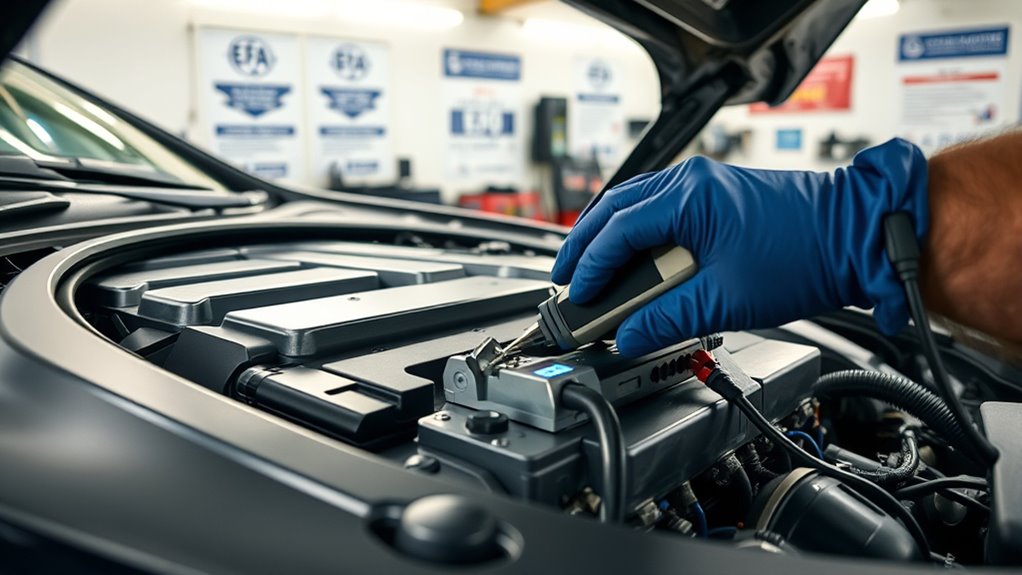
The Environmental Protection Agency (EPA) has intensified its efforts to crack down on defeat devices—software or hardware designed to cheat emissions tests. These devices allow vehicles to perform differently during testing than they do on the road, undermining the integrity of emissions standards. As a vehicle manufacturer or importer, you need to understand that the EPA is ramping up regulatory enforcement to ensure compliance. The goal isn’t just to catch those intentionally cheating but to uphold the standards that protect air quality and public health. When the EPA detects violations involving defeat devices, the penalties can be severe, ranging from hefty fines to mandatory recalls, and even criminal charges in some cases. That’s why adhering to emission standards isn’t just a legal obligation; it’s essential for your reputation and business continuity.
The EPA’s focus on defeating devices is part of a broader strategy to ensure strict regulatory enforcement across the automotive industry. They are actively investigating manufacturers, conducting audits, and deploying advanced testing methods to identify non-compliance. You should be aware that the agency’s capabilities are expanding, making it harder to hide violations. When caught, companies face not only financial penalties but also damage to their credibility and consumer trust. The EPA’s approach emphasizes transparency and accountability, encouraging manufacturers to prioritize compliance from the design stage through manufacturing and sales. Additionally, understanding the importance of emission standards is critical to maintaining regulatory compliance and avoiding penalties.
EPA’s expanding testing capabilities increase scrutiny and accountability across the automotive industry.
To avoid penalties, you need to prioritize compliance with emission standards at every step. This involves designing vehicles that meet regulatory requirements and maintaining thorough documentation to prove your adherence. Regular internal audits and third-party testing can help identify potential issues before they become violations. If you’re found using defeat devices, the EPA can impose significant fines—sometimes millions of dollars per violation—and mandate corrective actions that can disrupt your supply chain and sales operations. In addition, legal consequences like lawsuits or criminal charges may follow, especially if intentional deception is proven.
The key to staying on the right side of the law is proactive compliance. Stay updated on evolving emission standards and ensure your testing and manufacturing processes align with current regulations. Collaborate with regulators, participate in industry watchdogs, and implement robust compliance programs. The EPA’s crackdown reflects a clear message: cheating may seem like an easy shortcut, but the risks far outweigh any short-term gains. By taking proactive steps, you can avoid costly penalties and contribute to cleaner air, demonstrating your commitment to environmental responsibility and regulatory integrity.
Frequently Asked Questions
How Does the EPA Detect Defeat Device Use in Vehicles?
You can be caught using defeat devices because the EPA conducts emissions testing and employs covert detection methods. They analyze vehicle emissions data, compare real-world performance to lab results, and look for irregularities. The EPA also uses undercover inspections and advanced technology to identify suspicious patterns that suggest defeat device use. If detected, they can impose penalties, so it’s crucial to guarantee your vehicle complies with emissions standards at all times.
What Are the Long-Term Environmental Impacts of Defeat Devices?
You might think defeat devices only impact emissions temporarily, but their long-term pollution seriously harms ecosystems. By allowing vehicles to emit more pollutants, they contribute to air and water contamination, disrupting wildlife and plant life over time. This ecosystem disruption leads to lasting environmental damage, affecting everything from soil health to biodiversity. Ultimately, defeat devices undermine efforts to reduce pollution and protect our planet’s future.
Are There Specific Car Brands More Prone to Using Defeat Devices?
Certain brands, especially those with past scandals, tend to be more prone to using defeat devices. You might notice that some manufacturers prioritize brand reputation and consumer trust, leading them to avoid such practices. However, others may cut corners to boost sales, risking penalties and long-term damage. As a consumer, staying informed helps you make smarter choices and holds brands accountable for maintaining honest, eco-friendly practices.
How Do Penalties for Defeat Device Violations Compare Internationally?
International enforcement varies widely, with some countries imposing harsher penalties for defeat device violations than others. You’ll find that penalty severity depends on local regulations, with jurisdictions like the EU and South Korea often enforcing stricter sanctions. Countries with robust enforcement mechanisms actively pursue violations, increasing the risk for manufacturers. To stay compliant, you need to understand each region’s regulations and make sure your vehicles meet the standards, avoiding hefty fines and reputational damage.
What Incentives Exist for Manufacturers to Comply With EPA Regulations?
Think of compliance as planting seeds for growth; you’ll reap rewards like financial incentives and reputational benefits. When you follow EPA regulations, you avoid hefty penalties and build trust with consumers. Staying compliant is like steering a steady ship through turbulent waters—protecting your brand’s integrity and ensuring long-term success. Ultimately, adhering to the rules not only helps the environment but also boosts your company’s credibility and profitability.
Conclusion
As the EPA’s crackdown tightens, it’s like a lighthouse piercing through fog, guiding honest companies toward transparency. Defeat devices, once hidden in shadows, are now exposed under the bright light of enforcement. This shift symbolizes a new dawn where accountability replaces deception, and clear skies of compliance replace smog of dishonesty. Stay vigilant and committed; the path ahead is illuminated by integrity, ensuring a cleaner, fairer future for all.