
Performing real-world emission testing on performance vehicles is challenging because maintaining precise calibration under dynamic driving conditions requires high-quality sensors and real-time data logging. Variability from traffic, weather, and aggressive driving makes it tough to get consistent, accurate readings. Ensuring test setups reflect actual use is essential for trustworthy results. If you keep exploring, you’ll discover how these obstacles impact emission measurements and what you can do to overcome them.
Key Takeaways
- Performance vehicles often operate outside standard testing conditions, complicating accurate emission measurement in real-world scenarios.
- Engine calibration must be precisely adjusted to account for dynamic driving styles and variable conditions affecting emissions.
- High-quality sensors and real-time data logging are essential to capture fluctuating emissions accurately during performance testing.
- Variability in traffic, weather, and driver behavior introduces challenges in obtaining consistent and representative emission data.
- Ensuring measurement tools are properly calibrated and validated is critical to reliably assess emissions from high-performance vehicles.
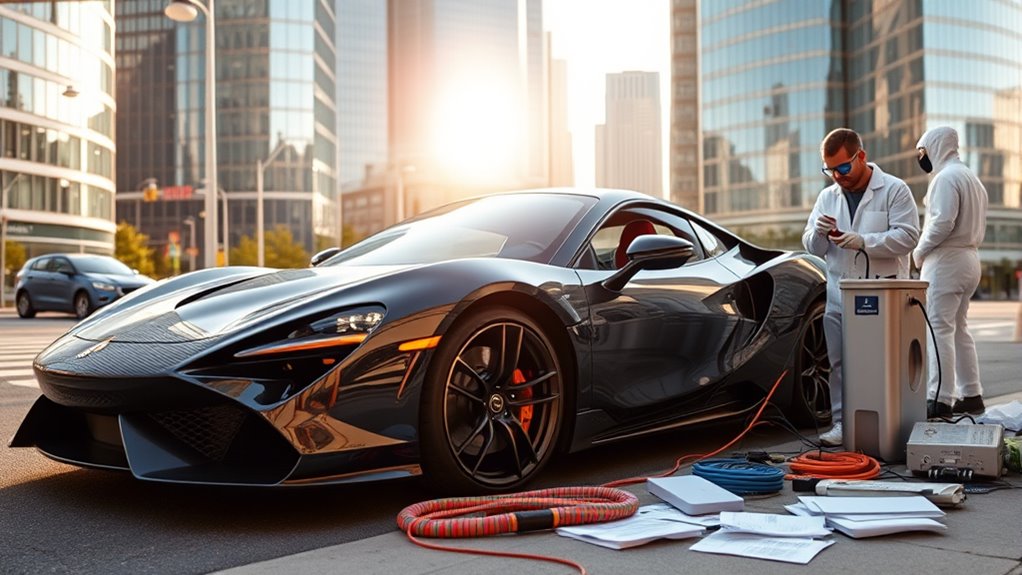
Real-world emission testing is essential for accurately measuring how vehicles perform outside laboratory conditions. When you take a vehicle out onto the road, it faces a wide range of variables—traffic, weather, driving style—that labs can’t fully replicate. This makes it crucial to assess emissions in real-world scenarios, especially for performance vehicles that often push the limits of engine capabilities. To get reliable results, you need to focus on precise engine calibration. Proper calibration ensures that the engine operates efficiently under different conditions, which directly impacts the accuracy of emission measurements. If the engine isn’t calibrated correctly, emissions data can be skewed, either overestimating or underestimating actual pollutant levels. This calibration process involves fine-tuning fuel injection, ignition timing, and other parameters so the engine performs consistently and effectively across various driving scenarios. When engine calibration is spot-on, it enhances data accuracy, giving you confidence that the emissions recorded reflect real-world performance rather than laboratory artifacts.
Data accuracy plays a pivotal role in real-world emission testing because it determines how well the results reflect actual vehicle behavior. Inaccurate data can lead to misguided conclusions about a vehicle’s environmental impact or compliance status. For performance vehicles, which often have complex engine management systems, ensuring data accuracy becomes even more critical. These vehicles tend to operate at higher power outputs and under more demanding conditions, which can cause emissions to fluctuate markedly if not properly monitored. Sophisticated sensors and real-time data logging are necessary to capture these variations precisely. Additionally, calibration of measurement instruments is fundamental—faulty or miscalibrated tools can distort readings, making it appear as if the vehicle is emitting more or less than it truly does. As you conduct real-world testing, maintaining rigorous calibration standards and employing high-quality sensors will help you gather trustworthy data, ultimately leading to more precise assessments of vehicle emissions.
Understanding the importance of engine calibration and data accuracy means you can better interpret emission results and identify areas for improvement. When calibration is tailored to real-world conditions, your testing becomes more representative of actual vehicle use. This, combined with meticulous attention to measurement precision, ensures that the emission data you collect isn’t just statistically sound but genuinely reflective of how your vehicle performs outside the lab. For performance vehicles, where marginal gains can make a substantial difference, this level of accuracy is crucial. It allows you to fine-tune engine settings for efficient emissions performance and develop strategies to reduce pollutants without sacrificing power. Ultimately, focusing on these essential aspects of real-world testing helps you meet regulatory standards more effectively and contributes to cleaner, more sustainable vehicle operation in everyday driving conditions.

Denso O2 Sensor 8946569115 for Land Cruiser FJ80 1993-1995 234-4520 89465-69115
As an affiliate, we earn on qualifying purchases.
As an affiliate, we earn on qualifying purchases.
Frequently Asked Questions
How Do Testing Conditions Vary Across Different Countries?
You’ll notice testing conditions vary across countries because each one has its own testing protocols and regional regulations. Some nations require on-road emissions tests, while others rely on laboratory standards. These differences impact how performance vehicles are evaluated, making it challenging to compare results internationally. You need to stay aware of local rules, as they shape testing procedures and influence vehicle compliance with emission standards.
What Are the Costs Involved in Real-World Emission Testing?
The costs involved in real-world emission testing can be substantial. You’ll need a extensive cost analysis that considers advanced testing infrastructure, which includes specialized equipment and facilities. These expenses can quickly add up, especially for detailed, on-road testing. The investment isn’t just initial; ongoing maintenance and calibration are essential, making it a significant financial commitment that impacts overall vehicle compliance strategies.
How Do Manufacturers Ensure Compliance With Emission Standards?
You guarantee compliance by carefully adjusting engine calibration to meet emission standards under various conditions. Manufacturers conduct extensive testing to account for test cycle variability, making sure emissions stay within legal limits across different driving scenarios. They also use software updates and hardware adjustments as needed, regularly monitoring real-world performance. This proactive approach helps you stay compliant and avoid penalties, even when faced with the complexities of real-world driving.
What Technological Innovations Are Improving Testing Accuracy?
You can improve testing accuracy through technological innovations like sensor calibration and advanced data analytics. Regular sensor calibration guarantees precise measurements, reducing errors during emission testing. Meanwhile, data analytics helps interpret complex data patterns, identifying discrepancies between lab results and real-world performance. These innovations enable you to obtain more reliable emissions data, ensuring compliance with standards and addressing the unique challenges posed by performance vehicles in real-world testing scenarios.
How Do Real-World Emissions Impact Vehicle Resale Value?
Did you know that vehicles with higher emissions can see up to a 15% decrease in resale value? Real-world emissions substantially impact your vehicle’s resale depreciation, especially if aftermarket modifications increase emissions beyond legal limits. Buyers become wary of potential repair costs or non-compliance issues, making your car less attractive. To protect your investment, maintain emissions standards and avoid excessive aftermarket modifications that could harm your vehicle’s value.

Benbengo OBD GPS Tracker for Vehicles & Fleet, Plug in Car Tracker, 10-sec Real Time, 1-Year Trip Data, 5-Day Free Trial, Speeding and Driver Behavior Tracker for Teens, Mileage Log, Low Subscription
【5-day Free Trial】After the trial, continue for just $6.49/month with a 1-year plan ($77.88 total) or $8.99 for…
As an affiliate, we earn on qualifying purchases.
As an affiliate, we earn on qualifying purchases.
Conclusion
As you navigate the road of real-world emission testing, remember it’s a mirror reflecting both progress and challenge. Like a steady heartbeat, the quest for cleaner performance vehicles pulses with hope and persistence. Each test is a step toward harmony between power and responsibility, a dance of shadows and light. Embrace the journey, knowing that every challenge is a symbol—an invitation to shape a future where performance and sustainability beat as one, in perfect rhythm.

ANGSO-AUTO ADAS Calibration Tool Kit Compatible with Honda Toyota Kia Ford ADAS Radar Aiming Calibration Tool,Post with 0-30 Centimeter Scale,Corner Reflector Target with Billet Aluminum Stand
Universal Compatibility: Fit for Honda, Toyota, Kia, and Ford vehicles,Whether you're a professional mechanic or a DIY enthusiast,…
As an affiliate, we earn on qualifying purchases.
As an affiliate, we earn on qualifying purchases.
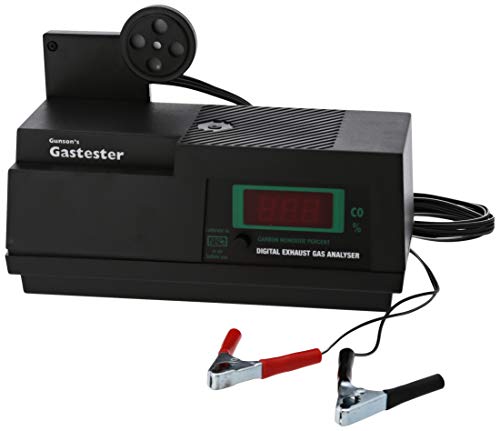
Gunson G4125 Gastester Digital
Content includes: Gas tester instrument including
As an affiliate, we earn on qualifying purchases.
As an affiliate, we earn on qualifying purchases.