If you’re a high-performance or racing driver, tire warmers make sense because they guarantee your tires reach ideal grip, improve handling, and prevent damage caused by cold races. For everyday drivers, however, they’re usually unnecessary since tire temperature stays stable on typical roads, reducing the need for pre-heating. External factors like weather and road conditions also influence this need. To understand how these factors impact your driving, keep exploring how tire warmers can fit your needs.
Key Takeaways
- Tire warmers optimize grip and safety during high-performance or racing conditions where precise temperature control is critical.
- They help prevent thermal shock and uneven wear, extending tire lifespan in competitive driving environments.
- For everyday drivers, stable ambient temperatures and routine maintenance generally negate the need for tire warmers.
- Cold climates or early-morning driving benefit from tire warming to ensure consistent traction and handling.
- The cost and effort of using tire warmers are often unnecessary for casual or standard driving, making them more suitable for enthusiasts.
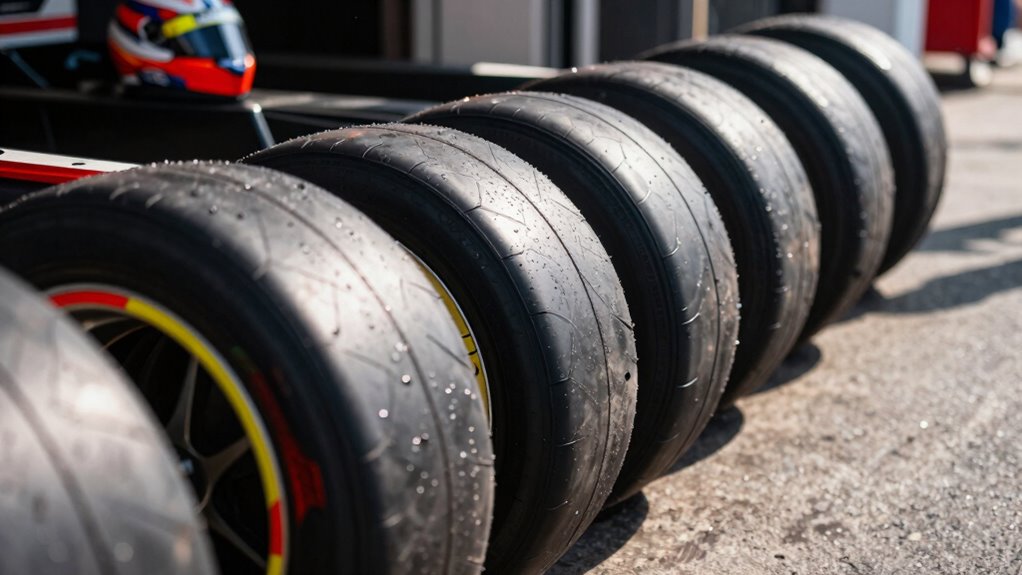
Tire warmers can be a valuable tool for certain drivers, especially those involved in racing or high-performance driving, but they may be unnecessary for everyday motorists. When you’re pushing your vehicle to its limits, warm tires play a vital role in guaranteeing ideal grip and performance. Cold tires tend to have lower tire pressure and less friction with the road surface, which can lead to longer stopping distances and reduced handling. By pre-heating your tires, you guarantee consistent tire pressure, which helps maintain proper contact with the road surface and maximizes traction. This is particularly important on cold mornings or in cooler climates, where tires take longer to reach their ideal operating temperature naturally. Proper tire temperature is essential for safe and optimal driving, especially in performance situations.
For drivers on race tracks or those participating in timed events, tire warmers make perfect sense. They allow you to control the temperature of your tires before hitting the asphalt, which means you’re always starting with tires at their peak grip level. This consistency directly impacts your lap times and safety, especially when pushing the limits of your vehicle’s capabilities. Additionally, maintaining ideal tire pressure through warming reduces the risk of uneven wear and blowouts caused by sudden thermal shifts. When your tires are warm, they expand slightly, increasing tire pressure to the right levels, which might otherwise fluctuate unpredictably with temperature changes. Proper tire maintenance can also extend the lifespan of your tires and improve overall vehicle performance. Moreover, using tire warmers can help prevent thermal shock, which can damage tires if they are heated unevenly or too rapidly. In colder climates, failing to warm tires properly can also lead to delayed grip, making it harder to achieve optimal handling immediately after starting your drive.
In contrast, for everyday drivers, factors like road surface temperature and ambient conditions make external warming less critical. Most daily driving involves relatively stable temperatures that your tires naturally reach during normal use, especially on well-maintained roads.
As an affiliate, we earn on qualifying purchases.
Frequently Asked Questions
Do Tire Warmers Improve Performance in All Weather Conditions?
Tire warmers don’t improve performance in all weather conditions, especially during extreme cold or hot temperatures. They help maintain ideal temperature, reducing fluctuations that can affect grip and tire longevity. In consistently warm weather, warmers may be unnecessary, but in colder or variable climates, they guarantee your tires stay at the right temperature, enhancing performance and extending tire longevity by preventing sudden temperature swings that compromise grip.
Are Tire Warmers Necessary for Daily Urban Commuting?
Tire warmers aren’t necessary for daily urban commuting because they primarily enhance grip at racing temperatures, which you usually don’t need for city driving. Using them can improve urban comfort by providing consistent traction and reducing tire wear caused by sudden temperature changes. However, in warm weather or short trips, their benefits are minimal, making them a less practical choice for most daily city commuters.
How Long Should Tire Warmers Be Used Before Driving?
You should use tire warmers for about 20 to 30 minutes before driving, especially in cold conditions. This allows for effective temperature regulation, ensuring your tires reach ideal warmth. By doing so, you stabilize tire pressure, improve grip, and enhance safety. Keep in mind, the warmer the tires, the better their performance, so adjust the warm-up time based on the weather and your driving needs.
Can Tire Warmers Damage Tires or Wheels?
Tire warmers generally won’t damage your tires or wheels if used correctly, but improper use can cause issues. Excessive or uneven tire temperature can weaken the rubber over time, and poorly fitted warmers might lead to wheel damage. Always follow manufacturer instructions, monitor tire temperature, and guarantee warmers fit snugly. This helps prevent potential damage and keeps your tires in good shape, extending their lifespan and maintaining safe driving conditions.
Are There Any Safety Risks Associated With Using Tire Warmers?
Think of tire warmers as tiny, controlled volcanoes—if misused, they could cause trouble. Yes, there are safety risks, like tire overheating, which can lead to blowouts, and electrical hazards from faulty wiring. You must follow manufacturer instructions carefully, guarantee proper insulation, and monitor the warmers during use. Proper precautions minimize these risks, making your warmers a safe, effective tool rather than a danger.
Conclusion
So, if you’re the kind of driver who dreams of Michelin-starred grip and podium finishes, tire warmers might just be your new best friend. But if you prefer leisurely Sunday cruises or enjoy the thrill of cold rubber squeals, you can probably skip the expense. After all, not everyone needs a heated blanket for their tires—some of us just want to keep our wallets warm and our driving simple. Choose wisely, and don’t let comfort turn into a costly obsession.