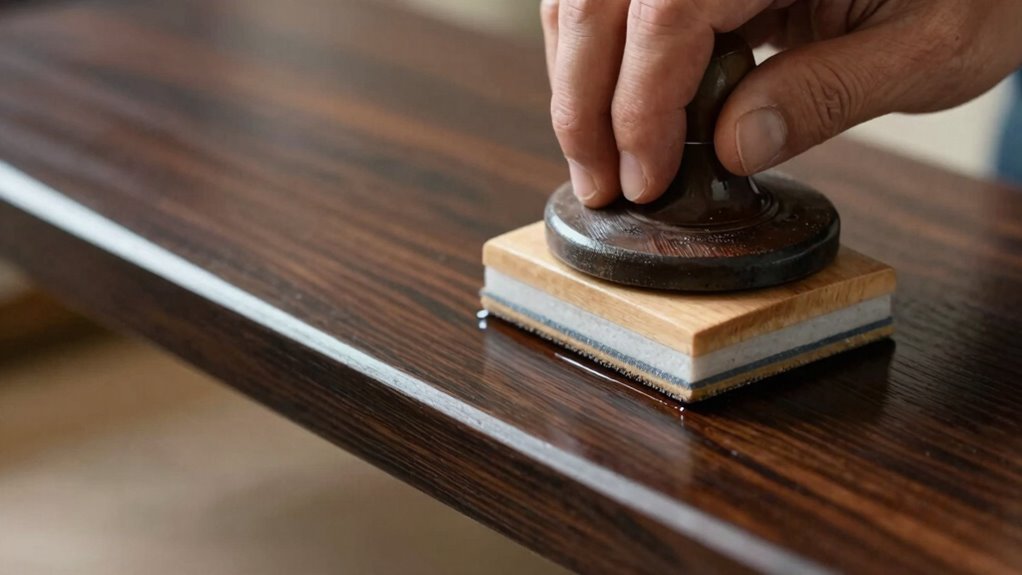

To prevent burned edges and frustration, choose a polisher with adjustable speed settings suited for your surface. Make sure it’s compatible with your paint or material type to avoid heat damage. Proper surface prep, like cleaning and light sanding, also helps. Use smooth, overlapping passes and keep the tool moving consistently. Selecting the right polisher setup and technique will make your project smoother—keep going to discover more tips for perfect results.

Get business pricing on garage and car supplies
- Business-only prices and quantity discounts
- Tax-exempt purchasing
- Multiple users, one account, clear invoices
Key Takeaways
- Choose a polisher with adjustable speed settings to control heat and prevent burning.
- Use high-quality, clean pads suited for your specific surface and paint type.
- Properly prepare surfaces through cleaning and light sanding to reduce friction and heat buildup.
- Maintain steady, overlapping passes and keep the tool moving to distribute heat evenly.
- Follow manufacturer recommendations for compatibility and surface-specific polishing techniques.

Have you ever struggled with burned edges when polishing your projects? It’s a common frustration that can ruin the overall look and feel of your work. Burned edges happen when the polisher’s heat builds up too much in certain spots, causing discoloration or damage that’s tough to fix. To prevent this, your choice of polisher and how you approach the process matter a lot. One of the most effective ways to avoid these issues is by selecting a polisher that’s compatible with your specific project and understanding the importance of surface preparation.
Paint compatibility is crucial when working with painted surfaces. Not all polishers are suitable for every type of paint, and using the wrong one can lead to overheating and burning. For example, high-speed polishers might generate excessive heat that melts or damages delicate paint, especially if the paint isn’t designed to withstand such heat. Before you start, always check the manufacturer’s recommendations to ensure the polisher’s features align with your paint type. Using a polisher with adjustable speed settings allows you to control heat buildup, giving you better control over the process and helping prevent burned edges.
Surface preparation plays an equally vital role in avoiding damage. Before polishing, clean and lightly sand the surface to remove any debris, dirt, or imperfections that could cause uneven polishing or more heat buildup. A smooth, prepared surface reduces the need for prolonged or aggressive polishing, which can generate unnecessary heat. Properly prepping your surface also makes the polishing process more efficient, meaning you won’t have to spend extra time applying excessive pressure or multiple passes that increase the risk of burning. Additionally, understanding the heat buildup process in polishing can help you better manage and prevent damage caused by excess heat. Being aware of the friction and heat generated during polishing allows you to adjust your technique accordingly, ensuring a safer finish. Incorporating knowledge of heat management techniques can further help in preventing localized overheating and extending the lifespan of your polishing equipment. Recognizing the material properties of your surface can also guide you in selecting the appropriate polishing method and tools, which is essential for achieving a quality finish. Moreover, consistently monitoring your progress and avoiding excessive pressure are key techniques to maintain control over heat levels.
Choosing the right polisher isn’t just about power; it’s about finesse. Look for tools with variable speed controls and ergonomic designs, so you can work gently and precisely. Keep the polisher moving in steady, overlapping passes rather than staying in one spot for too long. This movement helps distribute heat evenly and prevents localized overheating. Additionally, using quality polishing pads suited to your project and ensuring they’re clean and in good condition helps reduce heat transfer and friction, both of which contribute to burned edges.
Ultimately, preventing burned edges boils down to understanding your materials and equipment. By selecting a compatible polisher, paying attention to surface preparation, and maintaining steady, controlled movements, you’ll find it easier to achieve a flawless finish. These practices not only save you from frustration but also extend the life of your projects, keeping your work look professional and polished without the damage caused by excess heat.
As an affiliate, we earn on qualifying purchases.
Frequently Asked Questions
Can Different Materials Require Different Polishing Techniques?
Yes, different materials often require distinct polishing techniques due to material compatibility. You need to customize your approach based on the material you’re working with, such as metals, plastics, or stone. Adjust the pressure, speed, and type of polish accordingly. By tailoring your technique, you can prevent damage like burned edges, ensuring a smooth, professional finish while avoiding frustration and material degradation.
How Long Does a Typical Polishing Session Last?
A typical polishing session lasts about 15 to 30 minutes, depending on the project’s size and material. You should focus on ideal session timing, ensuring you don’t over-polish, which can cause burned edges or damage. Keep an eye on the polishing duration, taking breaks if needed to prevent fatigue. This approach helps you achieve a smooth, professional finish without frustration or imperfections.
Are There Eco-Friendly Polisher Options Available?
Eco-friendly alternatives are everywhere, transforming polishing into a sustainable art. You can choose plant-based compounds, biodegradable pads, or energy-efficient tools for eco-friendly options. Sustainable polishing methods focus on reducing waste and minimizing environmental impact without sacrificing quality. By opting for these environmentally conscious choices, you not only protect the planet but also guarantee your polishing process is safer, cleaner, and more responsible—making every project a step toward a greener future.
What Safety Precautions Should Be Taken During Polishing?
You should always wear safety gear like goggles, gloves, and a dust mask to protect your eyes, skin, and lungs during polishing. Make certain your workspace is well-ventilated to avoid inhaling harmful fumes or dust particles. Keep your area clean and free of clutter, and follow the manufacturer’s instructions for your polisher. Taking these precautions helps prevent accidents and health issues, making your polishing both safer and more effective.
Can I Use a Polisher for Delicate or Antique Items?
Yes, you can use a polisher for delicate or antique items, but you need to prioritize vintage preservation and delicate surface care. Use a soft attachment, set the lowest speed, and test on a hidden area first. Avoid aggressive polishing, and always work gently to prevent damage. This careful approach helps maintain your antique’s integrity and beauty while achieving a subtle, polished look.
Conclusion
Choosing the right polisher can make all the difference in avoiding burned edges and frustration. You deserve a tool that works efficiently and reliably, saving you time and effort. When you invest in the proper equipment, you empower yourself to achieve flawless results every time. Isn’t it worth selecting a polisher designed to prevent those pesky mistakes? Ultimately, your satisfaction depends on making smart choices—so why settle for less when perfection is within reach?
Halloween Picks
halloween
As an affiliate, we earn on qualifying purchases.