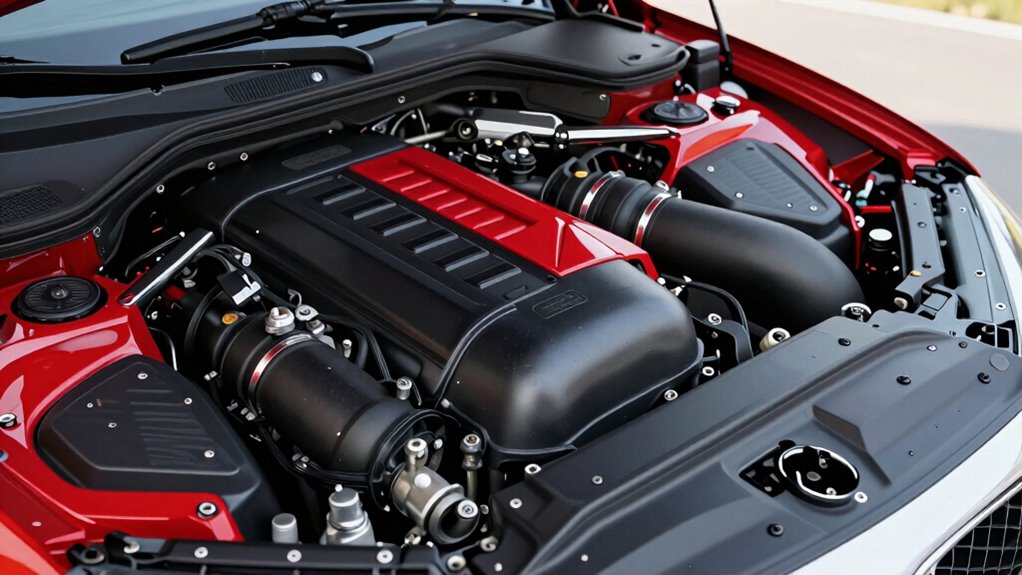

When it comes to warranty and tuning, modifications that directly impact your engine, emissions systems, or cause damage can get flagged and possibly void your coverage. Cosmetic upgrades or minor performance tweaks often stay unnoticed and don’t cause issues, especially if they use manufacturer-approved parts. To keep your warranty intact, it’s important to understand what changes are safe and how to communicate with your dealer—discover more about what stays under the radar and what doesn’t.
Key Takeaways
- Engine modifications causing damage or overheating are more likely to be flagged during warranty inspections.
- Cosmetic or minor performance upgrades that don’t affect critical systems typically go unnoticed and aren’t flagged.
- Emissions-related tuning or bypasses are scrutinized heavily and often lead to warranty denial.
- Transparency with your dealer and using manufacturer-approved parts can help prevent warranty issues.
- Routine inspections focus on engine and system integrity, often missing minor or compliant tuning modifications.
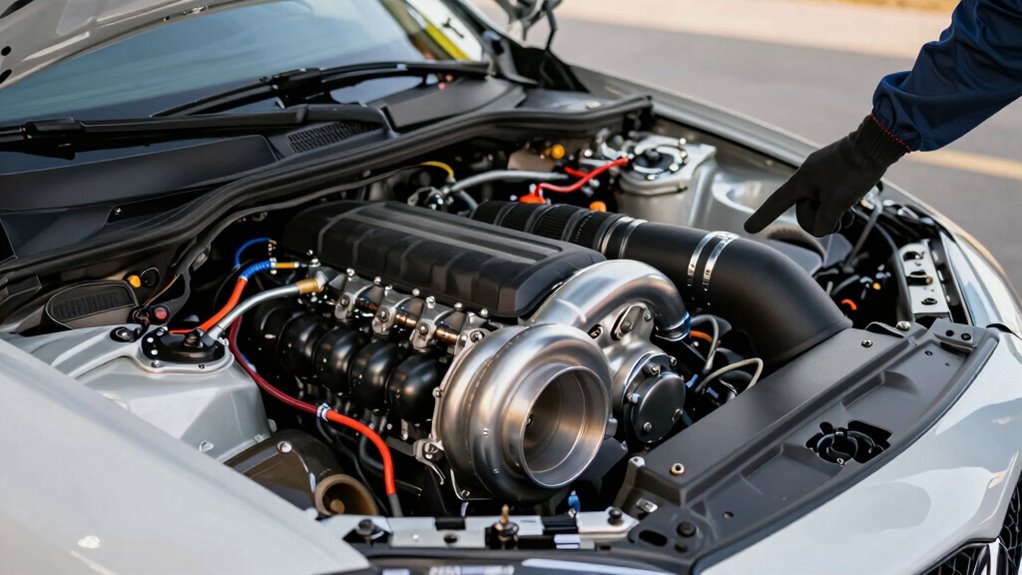
When it comes to modifying your vehicle, understanding the relationship between warranty coverage and tuning is essential. Many car owners worry that tweaking their engine or other components might void their warranty, especially if it leads to engine damage or affects emissions compliance. The truth is, not all modifications get flagged or cause warranty issues, but it’s *vital* to know what to watch out for.
Typically, manufacturers are most concerned about modifications that directly impact engine integrity or emissions systems. If a tune causes engine damage, such as overheating, knocking, or premature wear, your warranty could be on the line. Similarly, if a change results in increased emissions or non-compliance with local regulations, your manufacturer might refuse coverage for related repairs. For example, installing a performance chip or reprogramming the ECU in a way that bypasses emissions controls can trigger a warranty denial because it violates emissions compliance standards.
Modifications affecting engine or emissions systems risk voiding your warranty.
However, not all tuning is automatically flagged. Many minor modifications, like changing air filters or exhaust tips, usually don’t cause issues with warranty coverage. These alterations are generally cosmetic or performance-enhancing without risking engine damage or emissions violations. If you stick to manufacturer-approved parts or follow recommended guidelines, your warranty remains largely intact. It’s also worth noting that some manufacturers are more *lenient* than others. They might tolerate certain performance upgrades as long as they don’t interfere with critical systems or cause visible damage.
The key is transparency. If you plan to tune your vehicle, it’s best to consult your warranty’s fine print or speak directly with your dealer. Some warranties have clauses that explicitly exclude coverage if modifications are detected, especially if they are linked to engine or emissions system changes. But in many cases, if the tune doesn’t cause engine damage or emissions non-compliance, it might go unnoticed by the manufacturer during routine service inspections. Additionally, understanding emissions regulations and how they influence warranty coverage can help you avoid potential issues.
Frequently Asked Questions
Can Warranty Be Voided if I Tune My Car?
Yes, tuning your car can void your warranty because it often alters factory settings, which warranty policies may consider as modifications. Car manufacturers typically specify that any unauthorized changes could lead to coverage denial. If you want to keep your warranty intact, it’s best to stick with factory settings or consult your dealer about approved tuning options. Always review your warranty policies before making any modifications.
Are There Legal Differences Between Warranty Coverage and Tuning?
You should know that there are notable legal implications when it comes to warranty coverage and tuning. About 80% of manufacturers include warranty exceptions for modifications like tuning, which can void coverage if not properly disclosed. Legally, tuning can impact warranty claims, especially if it causes damage. Always check your manufacturer’s policy to understand specific warranty exclusions, because unapproved modifications often lead to denied warranty coverage.
How Do Manufacturers Detect Tuning Modifications?
Manufacturers detect tuning modifications mainly through emissions compliance tests and ECU tampering detection. They use specialized diagnostic tools to check for irregularities in emissions data or unauthorized software changes. If your ECU shows signs of tampering or the vehicle fails emissions standards, it’s flagged. Regular updates and compliance checks help manufacturers spot modifications, even subtle ones, ensuring your vehicle remains within warranty coverage and legal limits.
Does Tuning Affect Insurance Policies?
Tuning can dramatically impact your insurance policies, often flagging performance enhancements that seem harmless but could void your coverage. Insurance companies scrutinize modifications that boost power or alter emission compliance, risking higher premiums or denied claims. If you’re considering tuning, know it could turn your policy into a ticking time bomb, ready to explode with extra costs when they discover those performance upgrades. Stay informed, and protect your ride and wallet.
What Are the Best Ways to Stay Covered Under Warranty?
To stay covered under warranty, avoid aftermarket exhausts and ECU remapping that could void your coverage. Keep your modifications within manufacturer guidelines, and always document any changes you make. Regularly maintain your vehicle as recommended, and consult your dealer before any upgrades. By staying transparent and sticking to approved parts, you reduce the risk of your warranty being voided, ensuring you’re protected when you need it most.
Conclusion
So, next time you’re thinking about tuning your car, ask yourself: are you willing to risk voiding your warranty for a little extra power? While some mods slip under the radar, others can easily get flagged and cause headaches. It’s all about knowing what’s safe and what’s not. Ultimately, it’s your ride—so, will you play it smart or gamble with the potential costs? Choose wisely and enjoy the ride!