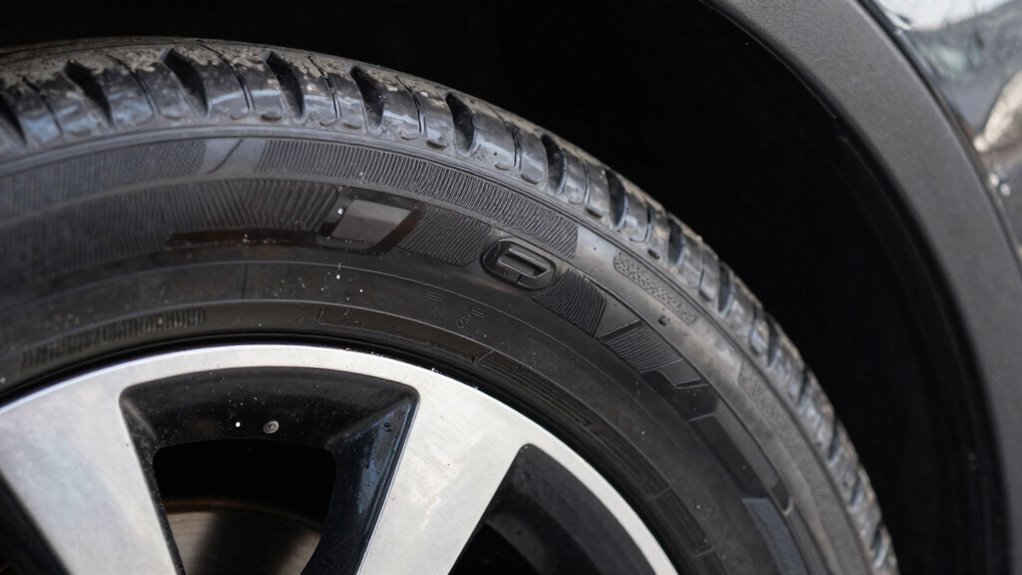
Choosing tires with stiffer sidewalls will make your steering feel more direct and precise, especially at high speeds or during cornering. Conversely, softer sidewalls result in lighter, more flexible steering, which can feel less responsive but smoother. The sidewall stiffness influences how vibrations and feedback transfer to your hands, often more than you expect. If you want to understand exactly how your choice affects your driving feel, keep exploring these factors further.

Get business pricing on garage and car supplies
- Business-only prices and quantity discounts
- Tax-exempt purchasing
- Multiple users, one account, clear invoices
Key Takeaways
- Stiffer, low-profile sidewalls increase steering responsiveness but can reduce ride comfort and feel of flexibility.
- Softer, taller sidewalls provide a more relaxed steering feel but may result in less precise handling.
- The sidewall construction determines how much feedback and vibration are transmitted to the steering wheel.
- Reinforced sidewalls can make steering feel heavier and more direct, especially at higher speeds.
- Flexible sidewalls absorb more road feedback, leading to a lighter, less responsive steering experience.

Have you ever wondered how your tire’s sidewall influences your steering experience? It’s more than just a protective barrier around your wheel; the sidewall plays a vital role in how your vehicle handles, feels, and even sounds on the road. When choosing a tire, many people focus on tread pattern and rubber compound, but the sidewall’s characteristics can substantially impact your driving comfort and confidence.
One of the key factors affected by the sidewall is tire durability. A thicker, more reinforced sidewall can withstand rougher roads and harsher conditions, reducing the risk of sidewall punctures or damage. If you frequently drive on uneven, debris-filled roads, opting for tires with a sturdier sidewall ensures you won’t have to worry about unexpected setbacks. Conversely, a softer, more flexible sidewall might offer a smoother ride but could compromise tire longevity over time. Knowing your driving environment helps determine what balance between durability and comfort works best for you.
Thicker sidewalls boost durability, ideal for rough terrains, while softer ones offer smoother rides but less protection.
Road noise is another aspect heavily influenced by the sidewall design. Tires with taller or more flexible sidewalls tend to absorb vibrations better, which can lead to a quieter ride. This is especially noticeable on highways where constant noise can become tiresome. On the other hand, low-profile tires with short, stiff sidewalls often transmit more road vibration and noise into the cabin, making your drive less peaceful. If reducing road noise is a priority, choosing tires with a sidewall designed for noise dampening can enhance your overall driving experience. Additionally, sidewall construction can influence how vibrations are transmitted and absorbed, further affecting ride comfort. Moreover, sidewall design features can be tailored to improve handling performance, depending on your specific driving needs.
The sidewall also subtly affects steering feel, which is often overlooked. A tire with a softer sidewall may provide more initial flexibility, making the steering feel lighter and more responsive at lower speeds. This can be advantageous in city driving, where maneuverability matters. Conversely, a stiffer sidewall offers more precise control at higher speeds and during cornering because it resists deformation. Your choice depends on your typical driving style and what kind of feedback you want from your steering wheel. Additionally, understanding sidewall stiffness can provide insight into how your tires will perform under different conditions. Incorporating sidewall design features can also optimize your vehicle’s handling and comfort for specific driving conditions.
touring tires comfort low road noise vehicle-specific size
As an affiliate, we earn on qualifying purchases.
As an affiliate, we earn on qualifying purchases.
Frequently Asked Questions
How Does Sidewall Stiffness Impact Tire Durability?
Higher sidewall stiffness improves tire durability by reducing flex during driving, which minimizes wear and tear. When you choose a tire with less sidewall elasticity, it better resists impacts and maintains shape under stress. Tread reinforcement also plays a role, supporting the sidewall and enhancing overall durability. This combination helps your tire last longer, especially on rough roads, by providing better structural integrity and resistance to damage.
Can Sidewall Design Affect Ride Comfort?
Yes, sidewall design can affect ride comfort. Thicker sidewalls absorb bumps better, offering a smoother ride, while thinner ones may transmit more road feel. You might notice that sidewall branding and aesthetics also influence your perception of comfort, as they often indicate tire quality and flexibility. Choosing tires with the right sidewall style enhances your driving experience by balancing aesthetics, durability, and comfort.
Are Certain Sidewall Choices Better for Specific Driving Styles?
Yes, certain sidewall choices suit specific driving styles. If you prefer sporty handling, opt for lower profile tires with stiffer sidewalls, enhancing steering response. For comfort-focused driving, taller sidewalls offer a smoother ride. Tire aesthetics and sidewall branding can also influence your choice, especially if you want a sleek look or prominent branding. Consider your driving needs and style to pick sidewalls that balance performance, appearance, and comfort effectively.
How Do Sidewall Materials Influence Tire Performance?
Sidewall materials are like the skin of a tire, directly affecting your driving experience. They influence performance by offering varying levels of flexibility, durability, and heat resistance. Thicker sidewalls improve comfort and protect against impacts, while softer materials enhance grip. Additionally, sidewall aesthetics and branding visibility matter; a well-designed sidewall can boost style and brand recognition, but choosing the right material guarantees peak performance and longevity for your driving needs.
Does Sidewall Flexibility Vary With Tire Size?
Yes, sidewall flexibility varies with tire size. Larger tires generally have more flexible sidewalls, which can affect steering feel and ride comfort. You’ll notice differences in sidewall aesthetics and branding as sizes change; bigger tires often feature more prominent sidewall designs. This flexibility impacts handling—more flexible sidewalls provide a softer ride, while stiffer ones offer sharper steering. So, when choosing a tire, consider how size influences sidewall behavior and your driving experience.
Conclusion
Choosing the right tire sidewall isn’t just about comfort—it’s your steering’s secret whisperer, guiding your hands with subtle grace. Like a skilled ballet dancer, the sidewall’s flexibility and stiffness dance together beneath your fingertips, shaping your connection to the road. When you pick wisely, you’re tuning into a symphony where every turn and curve flows effortlessly, turning your drive into a smooth waltz. In this quiet choice lies the power to transform your driving story.
Fall Picks
fall essentials
As an affiliate, we earn on qualifying purchases.