To avoid fitment regret, follow the wheel offset rule: aim for a positive offset that keeps your wheels flush with the fenders without rubbing against suspension or brakes. Too much positive offset pushes tires inward, while negative offset causes them to stick out and risk rubbing. Staying within your vehicle manufacturer’s recommended offset range is key. Getting this balance right guarantees safe, smooth handling and prevents costly issues later. If you want to know more, keep exploring the details behind proper fitment.

Get business pricing on garage and car supplies
- Business-only prices and quantity discounts
- Tax-exempt purchasing
- Multiple users, one account, clear invoices
Key Takeaways
- Stick to the manufacturer’s recommended wheel offset to ensure proper clearance and avoid rubbing or suspension issues.
- Aim for a wheel offset that keeps the tire flush with fenders for optimal fitment and appearance.
- Avoid excessive positive or negative offset that can cause tire contact with suspension or fenders.
- Verify compatibility with your tire size and suspension setup before choosing wheels.
- Consult wheel fitment guidelines or specialists to select the correct offset and prevent costly mistakes.
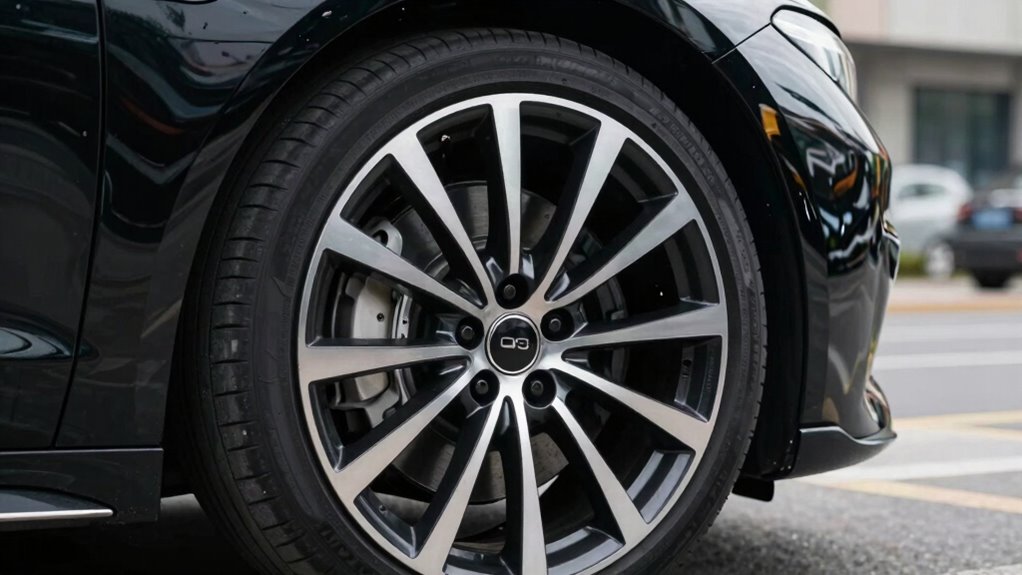
Ever wondered how wheel fitment can impact your vehicle’s performance and safety? It’s a critical aspect that many overlook until they face issues like rubbing, uneven tire wear, or compromised handling. When choosing new wheels, understanding the importance of proper fitment isn’t just about aesthetics; it’s about ensuring your vehicle operates smoothly and safely. One key factor to consider is tire clearance. If wheels are too wide or offset too aggressive, they can scrape against the suspension components or fenders, especially during sharp turns or when going over bumps. This not only damages your tires but also risks damaging suspension parts over time. Conversely, wheels that sit too inward may limit brake caliper clearance or cause misalignment issues, affecting braking performance and steering response. That’s where suspension compatibility comes into play. Your suspension setup is designed with specific wheel offsets in mind, so deviating from recommended sizes can lead to rubbing or even suspension damage. To avoid these pitfalls, stick to the manufacturer’s recommended wheel offset and size guidelines. These guidelines are crafted to balance tire clearance, suspension compatibility, and handling characteristics, giving you the best of all worlds. When selecting wheels, pay attention to the offset measurement — the distance from the wheel’s hub mounting surface to its centerline. A proper offset ensures your wheels sit flush with the fenders without protruding excessively or sitting too deep inside the wheel well. This balance is essential because a wheel with too high or too low offset can cause clearance issues or affect steering geometry. For example, a wheel with a positive offset pushes the tire inward, which may improve clearance but could lead to suspension contact if not properly tested. On the other hand, a negative offset pushes the tire outward, increasing the risk of tire rubbing against the fender or suspension components. The goal is to find that sweet spot where your wheels fit perfectly—providing enough clearance for tire movement, accommodating suspension travel, and maintaining proper steering feel. Achieving this balance often requires understanding wheel offset measurements and how they influence fitment. Additionally, it’s important to consider tire size compatibility to ensure your selected wheels won’t cause unexpected clearance issues. Being aware of wheel fitment standards can help you make informed decisions and avoid costly mistakes. If you’re unsure, consulting with a reputable wheel and tire specialist can save you from costly mistakes. They can help you choose the right size and offset to match your suspension setup. Remember, investing in wheels that fit correctly isn’t just about appearance; it’s about safety, performance, and longevity. Proper wheel offset is essential to achieving this balance, ensuring your vehicle’s handling remains optimal and your tires wear evenly. When your wheels are properly aligned with your vehicle’s suspension and tire clearance is optimized, you’ll enjoy a smoother ride, better handling, and peace of mind knowing you’ve avoided the common pitfalls that lead to fitment regret. Ensuring you understand and apply the wheel offset rule can significantly improve your vehicle’s overall performance and safety.
As an affiliate, we earn on qualifying purchases.
Frequently Asked Questions
How Do I Measure Wheel Offset Correctly?
To measure wheel offset correctly, start by locating the hub mounting surface and the centerline of the wheel. Use a straight edge or ruler to measure the distance from the hub to the wheel’s center, noting whether it’s positive, negative, or zero offset. Make sure you check tire clearance and suspension compatibility, as incorrect offset can cause rubbing or fitment issues. Always double-check measurements to avoid fitment regret.
Can Wheel Offset Affect Vehicle Safety?
Yes, wheel offset can considerably impact your vehicle’s safety. If the offset is off, it can cause uneven tire pressure and stress on suspension components, leading to poor handling or even accidents. Incorrect offset may also cause rubbing or misalignment, affecting tire wear and braking performance. Always make sure your wheel offset is correct for your vehicle, and regularly check tire pressure and suspension alignment to keep safety in check.
What Are Common Signs of Incorrect Fitment?
You’ll notice signs of incorrect fitment when you see tire clearance issues, like rubbing against the fenders or suspension components. You might also experience altered suspension geometry, leading to uneven tire wear or handling problems. These signs indicate your wheels aren’t properly aligned or offset, which could compromise safety and performance. Regularly checking for these issues helps make sure your vehicle remains safe and performs at its best.
Does Wheel Offset Impact Fuel Efficiency?
Yes, wheel offset impacts fuel efficiency because improper offset can cause uneven tire wear and handling issues. When your wheel offset isn’t correct, your tires may wear prematurely, increasing rolling resistance and decreasing fuel economy. Additionally, poor handling performance from incorrect offset can make your vehicle less aerodynamic, further reducing efficiency. To optimize fuel savings, guarantee your wheels have the proper offset to promote even tire wear and smooth handling.
Are There Legal Restrictions on Wheel Offset?
Did you know that most states have specific legal regulations regulating wheel offset? You need to stay within established Offset standards to avoid fines or safety issues. These standards ensure your wheels don’t interfere with your vehicle’s suspension or braking systems. Always check local laws before customizing, as non-compliance could lead to legal trouble. Staying informed helps you enjoy your ride safely and avoid costly penalties.
Conclusion
Think of wheel offset as the blueprint for your car’s perfect fit—it guides you like a map ensuring everything lines up just right. When you follow the wheel offset rule, you’re steering clear of fitment regret, like avoiding a rocky road that jars your ride. Stick to this rule, and your wheels will glide smoothly, turning your vehicle into a well-orchestrated symphony rather than a discordant clang. Keep it in mind, and your ride will thank you.
Fall Picks
fall essentials
As an affiliate, we earn on qualifying purchases.