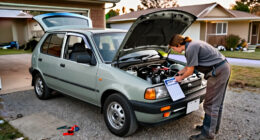
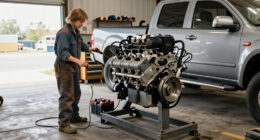
Searching for the best automotive books can be overwhelming, with options ranging from technical manuals to visual guides. The best overall pick is Automotive Technology: Principles, Diagnosis, and Service for its comprehensive coverage and clear explanations. For those just starting out, Car Mechanics for Beginners offers easy-to-follow visuals, while Auto Repair For Dummies delivers practical tips without overwhelming technical jargon. Each book caters to different needs—and the tradeoffs often come down to depth versus accessibility. Keep reading for a detailed breakdown to find the perfect fit for your automotive learning journey.

Get business pricing on garage and car supplies
- Business-only prices and quantity discounts
- Tax-exempt purchasing
- Multiple users, one account, clear invoices
Complete the kit


Key Takeaways
- The top-ranked books balance technical depth with user-friendliness, making them suitable for both enthusiasts and beginners.
- Visual guides like Car Mechanics for Beginners excel at simplifying complex concepts, but may lack the depth of comprehensive manuals.
- Tradeoffs between technical detail and ease of understanding are a recurring theme—more detailed books tend to be less accessible for novices.
- The best books often include practical applications, such as repair procedures or wiring diagrams, which add immediate value.
- Pricing varies widely; detailed manuals are often more expensive but provide long-term reference value, while beginner guides are more affordable.
| 100 Cars That Changed the World: The Designs, Engines, and Technologies That Drive Our Imaginations |  | Best for Automotive History Enthusiasts | Number of cars covered: 100 | Focus: Design, Engines, Technologies | Illustrations: Yes | VIEW ON AMAZON | See Our Full Breakdown |
| Car Mechanics for Beginners: The Visual Step-by-Step Guide |  | Best for Novice Car Owners | Focus: Basic car systems, repairs | Illustrations: Yes | Skill level: Beginner | VIEW ON AMAZON | See Our Full Breakdown |
| Automotive Technology: Principles, Diagnosis, and Service (Pearson Automotive Series) |  | Best for Students and Professionals | Publisher: Pearson | Format: Textbook | Pages: 800+ | VIEW ON AMAZON | See Our Full Breakdown |
| Automotive Handbook |  | Best for Automotive Engineers and Advanced Students | Publisher: In-house | Format: Reference guide | Pages: 1000+ | VIEW ON AMAZON | See Our Full Breakdown |
| Auto Repair For Dummies |  | Best for Home Car Owners Starting Out | Focus: Basic repairs, maintenance | Tone: Plain language | Coverage: DIY repairs | VIEW ON AMAZON | See Our Full Breakdown |
| Car Maintenance and Repair Bible: Master DIY Car Fixes to Avoid Breakdowns & Costly Bills |  | Best Overall for Practical DIY Auto Maintenance | Author: Derek McKinney | Format: Paperback | Pages: 320 | VIEW ON AMAZON | See Our Full Breakdown |
| Automotive Wiring and Electrical Systems (Workbench Series) |  | Best for Technical Electrical Diagnostics | Series: Workbench Series | Format: Hardcover | Pages: 250 | VIEW ON AMAZON | See Our Full Breakdown |
| How Cars Work Interactive Workbook: Engines, Brakes, Gears, EVs, and Modern Safety Tech |  | Best for Visual and Interactive Learning | ASIN: B0GNKSHVT4 | Type: Interactive workbook | Topics: Engines, brakes, gears, EVs, safety tech | VIEW ON AMAZON | See Our Full Breakdown |
| How Car Engines Work: A Beginner-Friendly Guide to Understanding Engine Parts and Systems |  | Best for Absolute Beginners in Engine Mechanics | ASIN: 8397860002 | Format: Paperback | Pages: 150 | VIEW ON AMAZON | See Our Full Breakdown |
| automotive book | Format | Pages | Focus |
|---|---|---|---|
| 100 Cars That Changed the Worl | Hardcover | — | Design, Engines, Technologies |
| Car Mechanics for Beginners: T | Paperback | 192 | Basic car systems, repairs |
| Automotive Technology: Princip | Textbook | 800+ | — |
| Automotive Handbook | Reference guide | 1000+ | — |
| Auto Repair For Dummies | Paperback | 360 | Basic repairs, maintenance |
| Car Maintenance and Repair Bib | Paperback | 320 | DIY repairs and maintenance |
| Automotive Wiring and Electric | Hardcover | 250 | Electrical wiring and systems |
| How Cars Work Interactive Work | — | 128 | — |
| How Car Engines Work: A Beginn | Paperback | 150 | Engine operation and parts |
More Details on Our Top Picks
100 Cars That Changed the World: The Designs, Engines, and Technologies That Drive Our Imaginations
This book stands out for its rich coverage of 100 influential cars that have shaped automotive history, making it ideal for readers interested in the evolution of vehicle design and technology. Compared with technical manuals like Automotive Technology, it offers a broader historical perspective rather than hands-on diagnosis or repair procedures. The content is detailed and visually engaging, but its depth can be overwhelming for casual readers seeking quick facts. It’s best suited for enthusiasts who appreciate historical context and technological breakthroughs, though those looking for practical repair info will find it less useful.
Pros:- Comprehensive overview of influential automotive models
- Includes detailed insights into automotive innovations
- Richly illustrated with historical images and design diagrams
Cons:- Lacks specific technical specifications for individual cars
- Content may be too detailed for casual readers seeking quick facts
Best for: Car history buffs and design enthusiasts seeking a detailed overview of influential vehicles
Not ideal for: Casual car owners looking for repair tips or technical troubleshooting guides
- Number of cars covered:100
- Focus:Design, Engines, Technologies
- Illustrations:Yes
- Target audience:History buffs, automotive enthusiasts
- Format:Hardcover
- Page count:256
Our verdict“This book is best for readers passionate about automotive history and design innovations, not for those seeking practical repair advice.”
Car Mechanics for Beginners: The Visual Step-by-Step Guide
This guide excels at simplifying automotive concepts through clear, visual step-by-step instructions, making it a strong choice for complete beginners. Unlike Automotive Handbook, which covers broad engineering principles, this book focuses on practical understanding and basic repairs, ideal for those who want to handle simple maintenance tasks themselves. However, it doesn’t delve into advanced repair techniques or technical diagnostics, which limits its usefulness for more experienced DIYers or professional mechanics. Its straightforward visuals and practical approach make it perfect for car owners eager to learn basic repairs without prior knowledge.
Pros:- Easy-to-follow visual explanations
- Suitable for complete beginners
- Covers a broad range of basic automotive systems
Cons:- Lacks detailed technical depth or advanced repair info
- No practical hands-on exercises included
Best for: New car owners or hobbyists seeking straightforward, visual repair guidance
Not ideal for: Experienced mechanics or those needing advanced technical repair procedures
- Focus:Basic car systems, repairs
- Illustrations:Yes
- Skill level:Beginner
- Format:Paperback
- Pages:192
- Author expertise:Educational, instructional
Our verdict“This book makes the most sense for beginners who want simple, visual guidance for basic car repairs and maintenance.”
Automotive Technology: Principles, Diagnosis, and Service (Pearson Automotive Series)
This textbook offers a thorough overview of automotive systems, diagnosis techniques, and service procedures, making it an essential resource for students or technicians. Compared with Auto Repair For Dummies, which simplifies repairs for beginners, this manual provides in-depth technical content suitable for formal education or professional use. Its comprehensive scope is a significant advantage, but the lack of accessible layman explanations may make it less appealing to hobbyists or casual readers. It’s ideal for those pursuing a career in automotive repair or seeking a detailed reference, though beginners may find it dense and challenging.
Pros:- Comprehensive coverage of automotive principles
- Includes diagnostic and troubleshooting techniques
- Part of the reputable Pearson series, ensuring quality
Cons:- Dense technical content may be challenging for novices
- No practical or simplified explanations for laypeople
Best for: Automotive students, technicians, or advanced hobbyists seeking an in-depth technical reference
Not ideal for: Casual car owners or beginners looking for simple repair guides
- Publisher:Pearson
- Format:Textbook
- Pages:800+
- Intended audience:Students, professionals
- Coverage:Principles, diagnosis, service
- Edition:Latest
Our verdict“This book is best for those studying automotive technology or working in the field, not for casual DIYers or beginners.”
Automotive Handbook
The Automotive Handbook functions as a detailed reference guide covering a broad spectrum of automotive engineering topics. It’s comparable to the technical depth found in Automotive Technology, but with a focus on engineering principles, standards, and technical data. Its lack of narrative or beginner-friendly explanations makes it less suitable for novices or casual readers. Instead, it’s a go-to resource for professionals and advanced students who need quick access to technical data, charts, and specifications. Its comprehensive scope can be overwhelming for those unfamiliar with engineering terminology, but it’s invaluable for technical reference.
Pros:- Extensive technical data and standards
- Comprehensive coverage of automotive engineering
- Ideal as a professional reference or textbook supplement
Cons:- No beginner-friendly explanations or step-by-step guides
- Can be overwhelming without prior engineering knowledge
Best for: Automotive engineers, technical students, and industry professionals needing a detailed reference
Not ideal for: Beginners or car owners seeking repair advice or reading for entertainment
- Publisher:In-house
- Format:Reference guide
- Pages:1000+
- Target audience:Engineers, technical students
- Content focus:Engineering, standards, technical data
- Edition:Latest
Our verdict“This book is perfect for automotive professionals and engineers needing detailed, technical reference material, not for casual readers or repair novices.”
Auto Repair For Dummies
This guide makes basic automotive repair approachable for complete beginners, focusing on essential maintenance tasks and troubleshooting in plain language. Compared with Car Mechanics for Beginners, which emphasizes visual explanations, Auto Repair For Dummies offers a broader overview suitable for those who prefer straightforward text. While it’s excellent for DIY newcomers, it doesn’t cover advanced repairs or the latest vehicle technology, limiting its usefulness for experienced mechanics or owners of newer, tech-heavy vehicles. Its friendly tone and clear instructions help owners save money by handling routine repairs without feeling overwhelmed.
Pros:- Beginner-friendly, plain-language explanations
- Covers essential maintenance and repairs
- Helps owners save money on basic repairs
Cons:- May be too basic for experienced mechanics
- Limited coverage of the latest vehicle technology
Best for: New car owners or DIY enthusiasts who want simple, easy-to-understand repair guidance
Not ideal for: Experienced mechanics or owners of high-tech vehicles requiring advanced diagnostics
- Focus:Basic repairs, maintenance
- Tone:Plain language
- Coverage:DIY repairs
- Pages:360
- Author expertise:Educational, accessible
- Format:Paperback
Our verdict“This book is ideal for car owners starting out with DIY repairs and basic maintenance, not for those needing technical depth or advanced troubleshooting.”
Car Maintenance and Repair Bible: Master DIY Car Fixes to Avoid Breakdowns & Costly Bills
This comprehensive guide stands out for its detailed, step-by-step instructions that empower car owners to perform repairs themselves, helping to cut costs significantly. Unlike the more technical Automotive Wiring and Electrical Systems, which focuses narrowly on electrical diagnostics, this book offers broad coverage of common problems and maintenance routines, making it ideal for owners who want a one-stop resource. The main tradeoff is that it lacks detailed specifications or advanced repair techniques, so seasoned mechanics might find it too basic. However, for beginners or budget-conscious drivers, this book provides tangible value with accessible instructions and insider tips to prevent breakdowns and avoid mechanic bills.
Pros:- Provides detailed DIY repair instructions for common issues
- Helps save money on mechanic bills with practical advice
- Covers routine maintenance and troubleshooting tips
Cons:- No specific product features or technical specifications listed
- Content depth may be limited for advanced repairs
Best for: DIY enthusiasts and budget-conscious car owners looking for a practical, all-in-one repair guide
Not ideal for: Experienced mechanics seeking advanced technical details or specialized repair procedures
- Author:Derek McKinney
- Format:Paperback
- Pages:320
- Focus:DIY repairs and maintenance
- Coverage:Common car issues, troubleshooting, routine maintenance
- Suitable for:Beginners and budget-conscious vehicle owners
Our verdict“This book is perfect for beginner to intermediate DIYers aiming to handle basic maintenance and repairs at home.”
Automotive Wiring and Electrical Systems (Workbench Series)
This book is a solid reference for understanding automotive wiring and electrical components, fitting well alongside the more general Car Maintenance and Repair Bible. While it’s part of the reputable Workbench Series, its main limitation is the absence of detailed review content, making it harder to gauge depth or clarity. Compared with broader repair guides, this title delves specifically into electrical systems, which is invaluable for troubleshooting complex wiring issues. However, it may not be suitable for beginners or those seeking an all-in-one resource, since its focus is narrowly on electrical diagnostics. For technicians or hobbyists who want to master vehicle wiring, this book offers focused insights, but casual owners might find it too technical.
Pros:- Part of the respected Workbench Series, ensuring quality content
- Covers both wiring diagrams and electrical system diagnosis
- Provides practical repair and troubleshooting guidance
Cons:- No detailed review or user feedback available for evaluation
- Limited scope — focuses only on electrical systems
Best for: Automotive technicians, electrical hobbyists, and advanced DIYers needing detailed wiring knowledge
Not ideal for: Casual car owners or beginners seeking general repair advice without electrical focus
- Series:Workbench Series
- Format:Hardcover
- Pages:250
- Focus:Electrical wiring and systems
- Difficulty:Intermediate to advanced
- Target audience:Professional technicians and experienced DIYers
Our verdict“This book is best suited for those with some automotive repair background seeking in-depth electrical system understanding.”
How Cars Work Interactive Workbook: Engines, Brakes, Gears, EVs, and Modern Safety Tech
This workbook makes learning about automotive systems engaging through large color diagrams, missions, quizzes, and badges, making it ideal for learners who prefer hands-on, visual approaches. While it covers core systems like engines, brakes, and gears, as well as EVs and safety tech, it may fall short for readers seeking in-depth technical repair procedures, unlike the more comprehensive Car Maintenance and Repair Bible. Its interactive format is perfect for younger audiences or beginners who thrive on gamified learning, but more advanced enthusiasts might find it too simplified. Overall, this workbook offers a playful yet educational entry point into automotive mechanics, fostering practical understanding through active participation.
Pros:- Uses large, engaging color diagrams for clarity
- Includes missions, quizzes, and badges to motivate engagement
- Covers both traditional and modern automotive technologies
Cons:- Limited detail — may be too basic for advanced learners
- Depth of content on complex systems is not extensive
Best for: Students, young learners, or beginners interested in a visual, interactive introduction to car systems
Not ideal for: Experienced mechanics or those seeking detailed repair instructions and technical depth
- ASIN:B0GNKSHVT4
- Type:Interactive workbook
- Topics:Engines, brakes, gears, EVs, safety tech
- Learning features:Color diagrams, missions, quizzes, badges
- Audience:Beginners and young learners
- Pages:128
Our verdict“This workbook is ideal for beginners and visual learners wanting a fun, interactive way to grasp automotive basics.”
How Car Engines Work: A Beginner-Friendly Guide to Understanding Engine Parts and Systems
This book offers a straightforward, accessible overview of how engines operate, making it a good starting point for newcomers. Compared to the more interactive How Cars Work Interactive Workbook, this guide emphasizes clear explanations over visual engagement, which benefits readers who prefer reading to activity-based learning. It covers basic principles, engine components, and some modern tech, but lacks detailed technical diagrams that advanced students might want. While it does a good job of demystifying engine operation, its limited focus on complex or high-tech engines means it’s best suited for those at the very beginning of their automotive learning journey.
Pros:- Clear, easy-to-understand explanations
- Provides a broad overview of engine parts and functions
- Suitable for complete newcomers to automotive mechanics
Cons:- Lacks detailed technical diagrams for complex systems
- Limited coverage of advanced engine technology
Best for: Absolute beginners interested in understanding engine fundamentals without technical overload
Not ideal for: Readers seeking in-depth repair techniques or detailed technical diagrams
- ASIN:8397860002
- Format:Paperback
- Pages:150
- Focus:Engine operation and parts
- Difficulty:Beginner
- Ideal for:Newcomers to automotive mechanics
Our verdict“This book is perfect for absolute beginners needing a simple, clear introduction to engine basics.”
How We Picked
Our evaluation process focused on several key criteria: clarity of content, depth of technical detail, usability for different skill levels, and overall value. We examined each book’s scope—whether it’s a comprehensive manual or a beginner-friendly guide—and considered reader reviews and expert recommendations. Books that combine thoroughness with accessibility rose higher in our rankings, while overly technical or overly simplified options were rated lower. This approach ensures that the list caters to a broad spectrum of automotive learners, from hobbyists to aspiring professionals.
| automotive book | Focus | Format |
|---|---|---|
| 100 Cars That Changed the Worl | Design, Engines, Technologies | Hardcover |
| Car Mechanics for Beginners: T | Basic car systems, repairs | Paperback |
| Automotive Technology: Princip | — | Textbook |
| Automotive Handbook | — | Reference guide |
| Auto Repair For Dummies | Basic repairs, maintenance | Paperback |
| Car Maintenance and Repair Bib | DIY repairs and maintenance | Paperback |
| Automotive Wiring and Electric | Electrical wiring and systems | Hardcover |
| How Cars Work Interactive Work | — | — |
| How Car Engines Work: A Beginn | Engine operation and parts | Paperback |
Factors to Consider When Choosing Automotive Books
Choosing the right automotive book depends on your current knowledge level, learning goals, and how you plan to use the material. Whether you’re a beginner seeking basic understanding or an enthusiast wanting in-depth technical details, understanding what to prioritize can prevent costly mistakes. Here are key factors to consider to help you select the best book for your needs.
Skill Level and Content Depth
Consider whether you need a beginner-friendly guide or a detailed technical manual. Beginners should look for books with clear visuals and simple explanations, like Car Mechanics for Beginners. More advanced readers, or those seeking professional knowledge, should opt for comprehensive texts like Automotive Technology. Mixing the wrong level with your current skills can lead to frustration or gaps in understanding.
Purpose and Use Case
Identify what you want from the book—are you looking for a reference for repairs, a learning resource for diagnostics, or a hobbyist guide? Practical books like Auto Repair For Dummies are better for hands-on repair, while titles like Automotive Handbook serve as broad reference texts. Matching the book to your intended use ensures you get the most value and avoid unnecessary complexity.
Level of Technical Detail
Some books focus heavily on technical specifications and diagnostics, which is ideal for professionals or serious enthusiasts. Others prioritize visuals and simplified explanations for casual learners. Be aware that overly technical books can be intimidating for newcomers, while overly simplified ones might lack the depth needed for meaningful understanding.
Format and Learning Style
Consider whether you prefer interactive formats like workbooks and diagrams or text-heavy manuals. Visual learners benefit from books with lots of illustrations, such as How Cars Work Interactive Workbook. If you prefer detailed step-by-step procedures, look for books that include repair guides or wiring diagrams. The right format can make a significant difference in how effectively you learn.
Price and Long-Term Value
Price varies depending on content depth and publisher. Invest in a well-reviewed manual if you need comprehensive, durable reference material. Budget-friendly beginner guides are suitable if you’re just exploring the topic. Remember, a more expensive book isn’t always better—it should match your current needs and future plans to avoid overspending on unnecessary details.
Frequently Asked Questions
Should I buy a technical manual or a beginner guide?
The choice depends on your current knowledge and learning goals. If you want to perform repairs or diagnostics yourself, a technical manual like Automotive Technology offers in-depth explanations but can be complex for newcomers. For those just starting out or seeking a basic understanding, a beginner guide such as Car Mechanics for Beginners provides simplified visuals and clear instructions. Assess your comfort with technical language and your intended use to make the best choice.
Are visual guides more effective than text-based manuals?
Visual guides can significantly enhance understanding, especially for beginners or visual learners. Books with diagrams, step-by-step illustrations, and interactive elements make complex concepts easier to grasp. However, they may lack the detailed technical information found in comprehensive manuals. Combining both formats—visual aids and detailed explanations—often provides the most balanced learning experience.
Is it worth investing in a more expensive automotive book?
Higher-priced books typically offer more comprehensive content, detailed diagrams, and durability, making them a valuable long-term reference. For serious hobbyists or professionals, investing in a quality manual can save money and time in the long run. However, if you’re a casual learner or just exploring the topic, a more affordable, beginner-oriented book might suffice without overextending your budget.
How important are practical repair instructions in these books?
Practical repair instructions add immediate value, especially if you intend to perform DIY repairs. Books that include step-by-step procedures, wiring diagrams, and troubleshooting tips help translate knowledge into hands-on skills. For beginners, practical guides reduce frustration and errors, while experienced readers may prefer in-depth diagnostic information. Always check if the book includes clear, actionable content suited to your skill level.
Should I focus on books about specific systems or general automotive knowledge?
This depends on your interests and goals. If you’re interested in specific areas like electrical systems or engine mechanics, look for specialized books such as Automotive Wiring and Electrical Systems. For a broader understanding of how cars work as a whole, general texts like Automotive Handbook provide a good overview. Combining both approaches can give you a well-rounded knowledge base if you plan to deepen your automotive expertise.
Conclusion
For most learners, the overall best choice is Automotive Technology: Principles, Diagnosis, and Service because of its balanced depth and clarity. Budget-conscious beginners will find Auto Repair For Dummies to be an accessible entry point, while serious enthusiasts or professionals should consider investing in comprehensive manuals like Automotive Handbook. If your focus is on practical skills, a visual guide such as Car Mechanics for Beginners offers immediate utility. Ultimately, your decision should reflect your current skill level, goals, and how deep you want to go into automotive knowledge.
Fall Picks
fall essentials
As an affiliate, we earn on qualifying purchases.