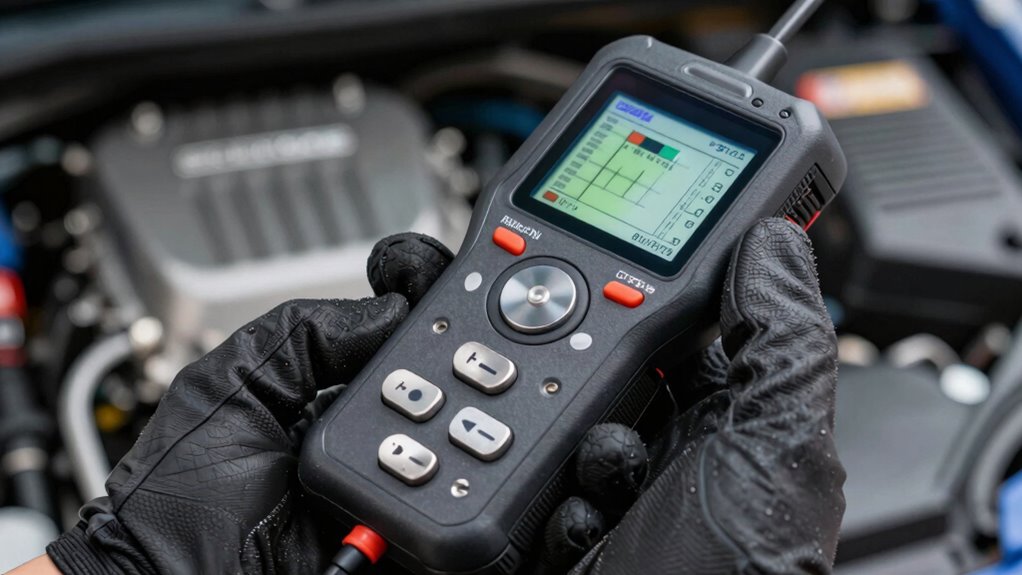

Handheld tuners are devices that adjust your vehicle’s engine settings, like fuel maps, ignition timing, and throttle response, to boost performance. They don’t replace or modify hardware parts but optimize existing system parameters. While they can improve horsepower, torque, and efficiency, they won’t fix mechanical issues or upgrade suspension and brakes. You’ll want to know what they support and any potential risks—if you keep exploring, you’ll discover even more about how they work and what to expect.
Key Takeaways
- Handheld tuners adjust engine parameters like fuel maps and ignition timing, not physical hardware components.
- They can boost horsepower, torque, and fuel efficiency but do not fix mechanical or transmission issues.
- Installation is simple, involving connection to the OBD-II port and selecting tuning profiles via the device.
- They may affect emissions and warranty coverage; proper knowledge is essential for responsible use.
- Tuning optimizes existing engine performance but does not improve suspension, brakes, or safety features.
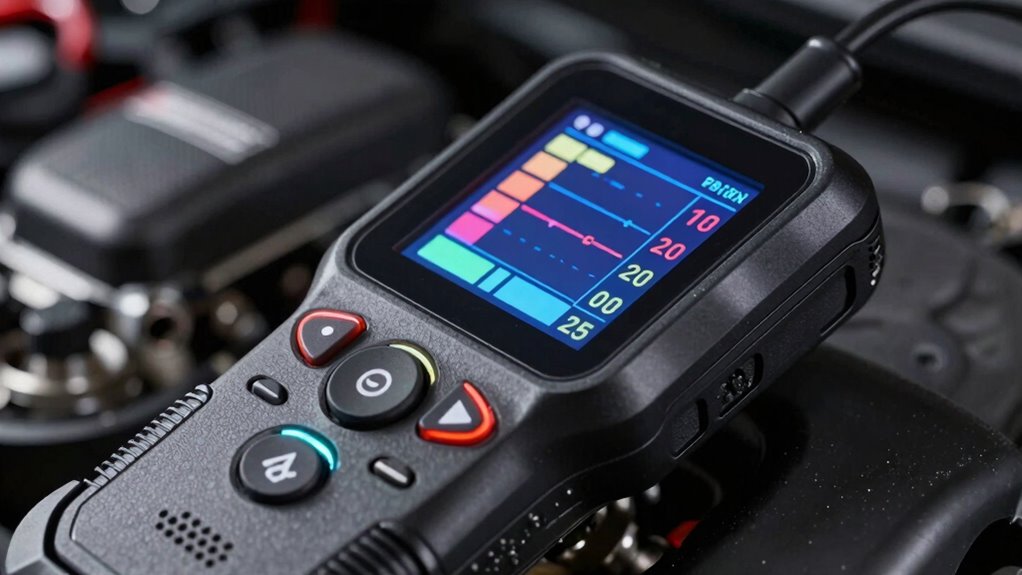
Have you ever wondered how handheld tuners can instantly boost your vehicle’s performance? It’s pretty impressive how a small device can make such a noticeable difference, but understanding what they do—and what they don’t—is key. When you’re considering a handheld tuner, the first thing to check is vehicle compatibility. Not all tuners work with every make and model, so you need to confirm that the device supports your specific vehicle. Manufacturers usually list compatible years, engine types, and trims, so take the time to verify this info before making a purchase. If your vehicle is compatible, you’ll find that the installation process is straightforward and user-friendly. Usually, all you need to do is connect the tuner to your vehicle’s OBD-II port, which is typically located under the dashboard. Once plugged in, the device guides you through a few simple steps—like selecting the desired performance mode or tuning profile—and then uploads the new settings. The entire process often takes less than an hour, and many tuners even allow you to revert to stock settings easily if needed. The simplicity of installation makes it accessible for most vehicle owners, even those without technical experience. Additionally, it’s important to understand that these devices work by adjusting engine parameters, not making hardware modifications. This means they modify the settings in your vehicle’s existing system rather than replacing or altering physical components. A good understanding of your vehicle’s engine management system can help you make more informed decisions about tuning options. Knowing how these systems interact can also help prevent unintended issues that might arise from improper tuning.
However, it’s important to understand what handheld tuners can change and what they can’t. Most of these devices are designed to optimize engine performance by adjusting parameters like fuel maps, ignition timing, and throttle response. This results in increased horsepower, torque, and sometimes better fuel efficiency—if used correctly. But they don’t alter fundamental hardware components or fix underlying mechanical issues. For example, a tuner won’t replace worn-out parts or solve transmission problems. Additionally, they don’t typically improve aspects like suspension or braking, which are vital for overall vehicle handling and safety. It’s also worth noting that some modifications may affect your vehicle’s emissions or warranty coverage, so check with your manufacturer before proceeding. While handheld tuners can give your vehicle a significant performance boost, they’re not magic bullets. They work within the existing framework of your engine and systems, fine-tuning what’s already there. When used responsibly and with proper knowledge, they can be a valuable tool to enhance your driving experience without the need for extensive mechanical modifications. Proper maintenance and understanding of your vehicle’s capabilities are essential for maximizing performance benefits. Being aware of emissions regulations and how tuning might impact them can help you stay compliant and avoid potential fines or issues.
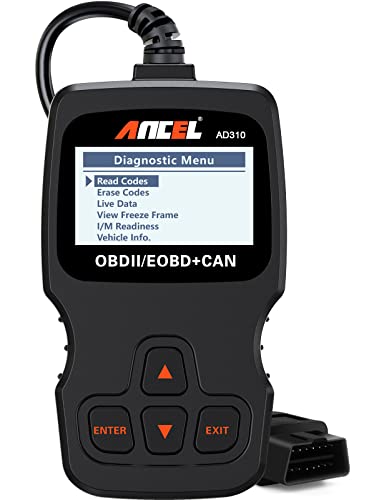
ANCEL AD310 Classic Enhanced Universal OBD II Scanner Car Engine Fault Code Reader CAN Diagnostic Scan Tool, Read and Clear Error Codes for 1996 or Newer OBD2 Protocol Vehicle (Black)
- Diagnostic Tool for Check Engine Light: Reads and clears error codes
- Sturdy and Compact Design: Lightweight, durable, portable scanner
- Fast and Accurate Results: Provides quick, reliable diagnostics
As an affiliate, we earn on qualifying purchases.
As an affiliate, we earn on qualifying purchases.
Frequently Asked Questions
Can Handheld Tuners Fix All Engine Issues?
Handheld tuners can’t fix all engine issues. They primarily improve engine performance and optimize emission control, but they won’t resolve mechanical problems like worn-out parts or faulty sensors. If your engine isn’t running smoothly, a tuner might boost efficiency, but persistent issues require professional diagnosis and repair. Always remember, tuners are tools for tuning, not fixes for underlying mechanical failures.
Are Handheld Tuners Legal to Use in All Regions?
Nearly 80% of regions have specific rules regarding handheld tuners. You should know that their legality varies depending on regional regulations and legal restrictions. In some areas, using a tuner on the road could lead to fines or failed inspections. Always check local laws before installing or using a handheld tuner, as what’s legal in one region might be illegal in another. Staying informed helps you avoid potential legal issues.
Do Handheld Tuners Void Vehicle Warranties?
Using a handheld tuner can sometimes void your vehicle warranty, depending on warranty implications and regional legality. If your tuner modifies emissions or engine settings, manufacturers might see it as tampering, risking warranty coverage. Always check regional laws and your manufacturer’s warranty policy before installing a tuner. In some areas, tuners are legal and won’t affect warranties if used responsibly, but in others, they could lead to warranty denial.
How Long Does It Take to Install a Handheld Tuner?
Installing a handheld tuner typically takes about 15 to 30 minutes, depending on your vehicle’s make and model. The process involves simple steps like connecting the device to your OBD-II port, which makes installation straightforward. The tuning duration itself is usually quick, often under 10 minutes, since most handheld tuners are designed for ease of use. Overall, the installation complexity remains minimal, allowing you to enjoy your tuned vehicle sooner.
Can Handheld Tuners Improve Fuel Efficiency?
Handheld tuners can improve your fuel economy, helping you save money on gas, and support emission reduction by optimizing engine performance. They adjust parameters like air-fuel mixture and ignition timing, which can lead to more efficient combustion. While improvements vary depending on your vehicle and tuning settings, many users notice better mileage and lower emissions, making handheld tuners a practical choice for boosting efficiency and reducing your environmental footprint.
Conclusion
In the world of car tuning, handheld tuners are your trusty sidekick, transforming your ride with a few simple tweaks. They can release hidden power and optimize performance, but remember—they won’t turn your vehicle into a superhero overnight. Think of them as the key to opening your car’s potential, yet still respecting its limits. With these tools, you’re stepping into a domain where even the smallest adjustments can feel like wielding the power of a thousand engines.